


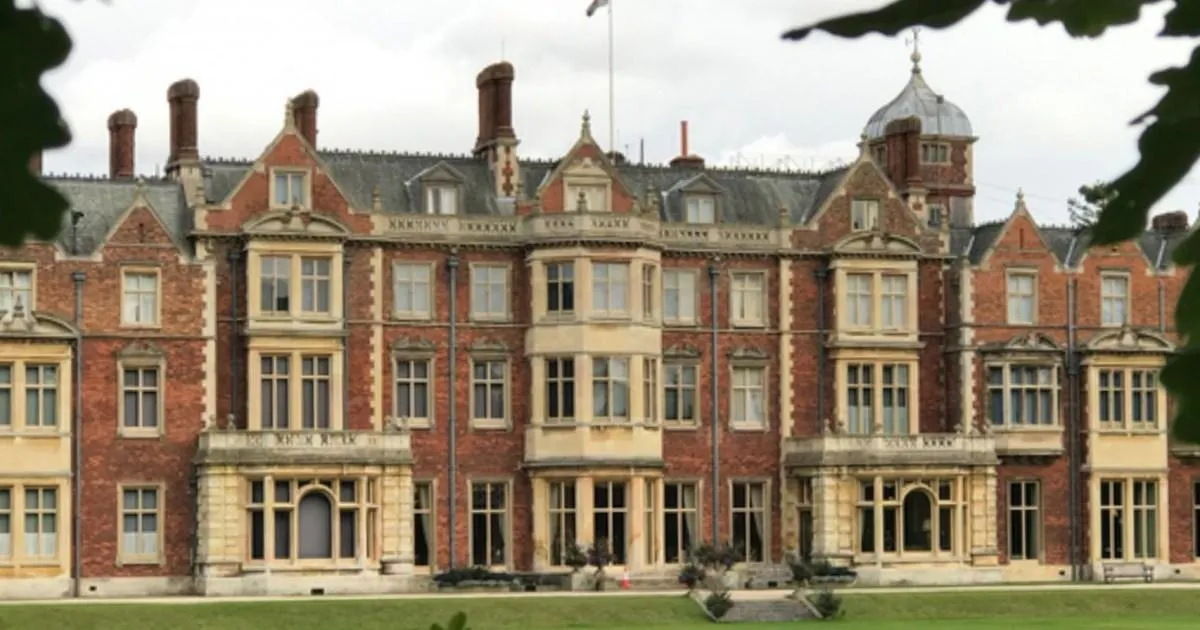
There is a peculiar, almost comical irony in the sight of a royal estate—a sprawling symbol of centuries-old power, tradition, and immaculate presentation—brought to its knees by something as utterly mundane as a broken pipe. On Thursday, the Sandringham Estate, King Charles’s beloved country retreat in Norfolk, was forced to shut its doors to the public after a burst water main severed its supply, leaving the grand house and its meticulously manicured gardens utterly without running water. The closure was total and immediate, impacting not just the historic residence itself but every single amenity that supports the daily influx of visitors. The estate’s restaurant, its inviting terrace, the well-stocked shop, and the essential public toilets were all rendered unusable. One can only imagine the frantic, unglamorous scene unfolding behind the stately facades: the gurgle of empty pipes, the silent taps, and the quiet panic of staff trying to manage a crisis that no amount of royal protocol could solve. It’s a stark reminder that beneath the grandeur of crown and ceremony, the machinery of daily life—plumbing, electricity, and water pressure—remains the great equalizer, indifferent to titles and heritage.
For the hundreds of thousands of people who visit Sandringham each year, the day promised a picturesque escape into the English countryside, a chance to walk the same grounds as royalty and absorb a slice of living history. Instead, they were met with closed gates, apologetic staff, and the dull thud of disappointment. The estate, which welcomes more than half a million visitors annually, is a major engine of local tourism, and Thursday’s closure sent ripples of frustration through the crowds who had planned their day around a visit. Families with children, eager to stretch their legs across the 20,000 acres, found themselves redirected. Couples hoping for a leisurely lunch on the terrace were turned away at the door. The estate’s response, however, was characteristically graceful in its handling of the immediate fallout: all visitors holding tickets for the day were promised automatic refunds, a small consolation for the lost travel time and dashed expectations. Yet, behind the scenes, the impact was more profound. For the staff working in the café, the shop, and the ticketing offices, the sudden closure meant a day of idle hours, a loss of revenue, and the strange, unsettling quiet of a venue that is usually buzzing with life, laughter, and the clinking of teacups.
Sandringham is far more than a simple tourist attraction; it is the private sanctuary of the British monarchy, a home steeped in personal memory and family tradition. It is famously the place where the King and the wider royal family gather to celebrate Christmas, a tradition that has endured for generations, offering a rare glimpse of royal unity and domesticity against the backdrop of wintry Norfolk fields. The estate has also recently taken on a new, somewhat poignant layer of personal history, as it is now the primary residence of Prince Andrew, the Duke of York, who moved to the modest Marsh Farm on the property after being compelled to vacate the sprawling Royal Lodge in Windsor. For the King, this is not just a business or a museum piece; it is a cherished retreat, a place of solace away from the relentless demands of state. The idea that this deeply personal home could be silenced by a municipal water failure is almost endearing, stripping away the veneer of untouchable majesty. It humanizes the royals in a way that a formal portrait never could, reminding us that even kings wait for the water board to fix the mains, and that their holidays can be just as easily disrupted by infrastructure failures as anyone else’s.
This latest incident is not an isolated anomaly, but rather the second act of a recurring plumbing drama that has plagued the estate in recent memory. Less than eighteen months ago, in May 2025, Sandringham was forced into a multi-day closure under strikingly similar circumstances. On that occasion, a burst main in the nearby village of Dersingham disrupted the water supply, leaving the estate and some 200 local homes dry for an extended period. The situation was compounded by a frustrating logistical hurdle: repairs were significantly delayed while electricity board teams worked painstakingly to remove overhead electrical poles that were obstructing access to the broken pipe. The juxtaposition of these two events paints a picture of an aging, creaking infrastructure network in the rural region, one that does not discriminate between the local villagers filling a kettle and the King preparing for a holiday. The fact that the estate has now suffered two major water outages in such a short window suggests a systemic fragility, a vulnerability in the network that lies beneath the picturesque rolling hills. It is a reminder that the infrastructure supporting these historic estates is often decades old, and that the romance of the countryside is occasionally punctuated by the unromantic reality of corroding pipes and emergency repair crews.
By Friday morning, however, the crisis had passed. The water supply was restored, the taps in the royal kitchen began to flow once more, and the gates of Sandringham were reopened to the public, welcoming back visitors with a sense of normalcy. The estate’s spokesperson issued a succinct but apologetic statement regarding the disruption, explaining the closure was due to the local burst main and confirming that refunds would be processed automatically for those affected. The tone was one of practiced, polite regret—the quintessentially British response to an inconvenience that involves queueing, apologizing, and getting on with it. But beneath the polished public relations, one can sense the collective sigh of relief from the management team. A day of lost revenue for a major estate is significant, but the reputational risk of turning away hundreds of visitors is a longer-term concern. The swift restoration suggests a robust emergency response, but also a healthy dose of luck that the engineers were able to identify and fix the problem without the added complication of obstructing electrical poles this time. The reopening signifies a return to the tranquil rhythm of the estate, where the gentle hum of lawnmowers and the chatter of visitors once again replace the ominous silence of a waterless day.
Ultimately, the saga of the Sandringham water outage serves as a charmingly human parable about the shared vulnerabilities that bind the monarch to the commoner. We live in an age where the royal family is often viewed through a lens of immense privilege, wealth, and untouchable status, yet a story like this cuts through that narrative with refreshing honesty. It is deeply relatable—everyone has experienced the dread of a boiler breaking in winter or the frustration of a water outage before a big event. The fact that this happened to a home owned by the King, a property so steeped in history that it feels almost mythic, brings a smile to the face. It democratizes the experience of domestic disaster. For a brief moment, the palace walls dissolve, and we see not a king, but a homeowner dealing with a plumbing emergency. The estate will continue to draw its crowds, the Christmas gatherings will go ahead, and the royal routine will resume. But the memory of this small, damp calamity will linger, a gentle reminder that even in the most rarefied corners of British society, the simple act of turning on a tap remains a daily miracle we all take for granted—until it suddenly isn’t there.