

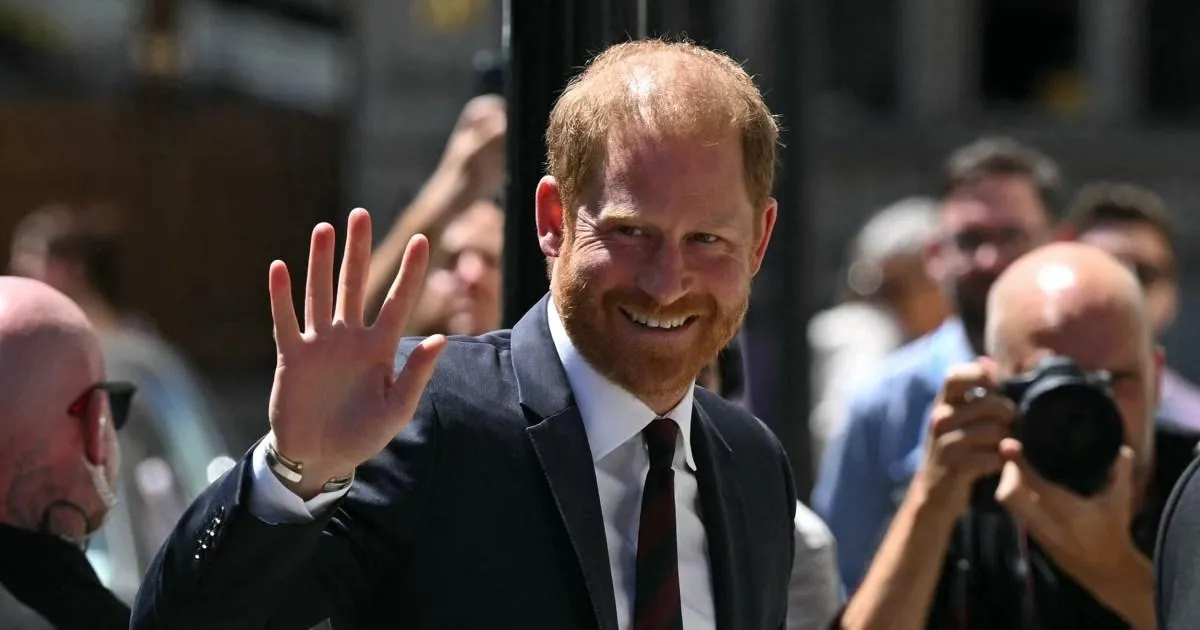
Prince Harry’s return to the United Kingdom this week was marked by a blend of genuine warmth and the lingering complexities that define his modern-day relationship with the Royal Family. Arriving in London to lead the countdown for next year’s Invictus Games in Birmingham, the Duke of Sussex appeared in high spirits as he greeted a supportive crowd outside Chatham House. With a wide smile, he engaged with fans, signaling his focus on the sporting initiative he founded a decade ago. This event serves as the primary catalyst for his visit, underscoring the deep personal investment he maintains in the community of wounded veterans and service personnel that the Games represent.
However, beneath the public-facing optimism of the Invictus milestone lay a narrative of administrative confusion and underlying tension. Just as he arrived, a public dispute unfolded regarding his accommodation plans. Initially, it was suggested that the Duke would stay at Buckingham Palace during his London visit, only for that arrangement to be abruptly retracted. The incident highlighted the logistical and interpersonal friction that often accompanies his trips home, turning what should have been a straightforward travel itinerary into a subject of intense media scrutiny and public speculation.
The confusion over where the Prince was permitted to stay was later clarified by his own spokespeople, who expressed public frustration over the situation. According to the Duke’s team, an offer of royal accommodation was accepted only after security arrangements had been finalized—a process complicated by the ongoing disputes over the state-funded protection his family receives. The sudden withdrawal of this offer, which the palace reportedly justified by citing a recent legal judgment, left the Duke’s camp questioning why the invitation had been extended and then retracted at such an eleventh hour. This back-and-forth serves as a stark reminder of the bureaucratic hurdles and fractured communication that define the Sussexes’ interactions with the royal household today.
Central to these difficulties is the ongoing debate over the security of Meghan Markle and their children, Prince Archie and Princess Lilibet. The couple has remained largely in California since stepping back from their official duties, and the lack of guaranteed, taxpayer-funded security has become a significant barrier to their domestic involvement. Consequently, Harry made this trip to the capital alone, with the possibility of his family joining him only once he departs London for other parts of the country. This separation reflects the painful reality of their current circumstances—choosing safety and personal autonomy over the seamless integration they once enjoyed within the royal sphere.
The emotional backdrop of this visit is, of course, the well-documented estrangement between the Sussexes and the rest of the Royal Family. Despite a brief, high-profile reunion with his father, King Charles, earlier in the year, there remains little public clarity on whether this trip will facilitate any further healing or private face-to-face meetings. The friction that surfaced following their exit from royal life years ago has not entirely dissipated, often casting a shadow over even the most positive of his charitable engagements. The strained nature of these relationships continues to inform how the public perceives his presence on British soil, turning every arrival into a barometer for the state of the Windsor family tree.
Ultimately, Prince Harry’s visit is a microcosm of his life as a man caught between two worlds. By championing the Invictus Games, he remains a powerful global advocate for veteran welfare, yet his personal life continues to be buffeted by the fallout of his departure from the Firm. While his smile in London was a testament to his resilience and dedication to his causes, the whispers of palace politics and security dilemmas remind us that his journey is far from simple. Whether he finds a way to bridge the gap with his family during this trip or remains a figure apart, his arrival captures a persistent, evolving story of duty, family, and the challenges of carving out a new path after leaving a legacy behind.