


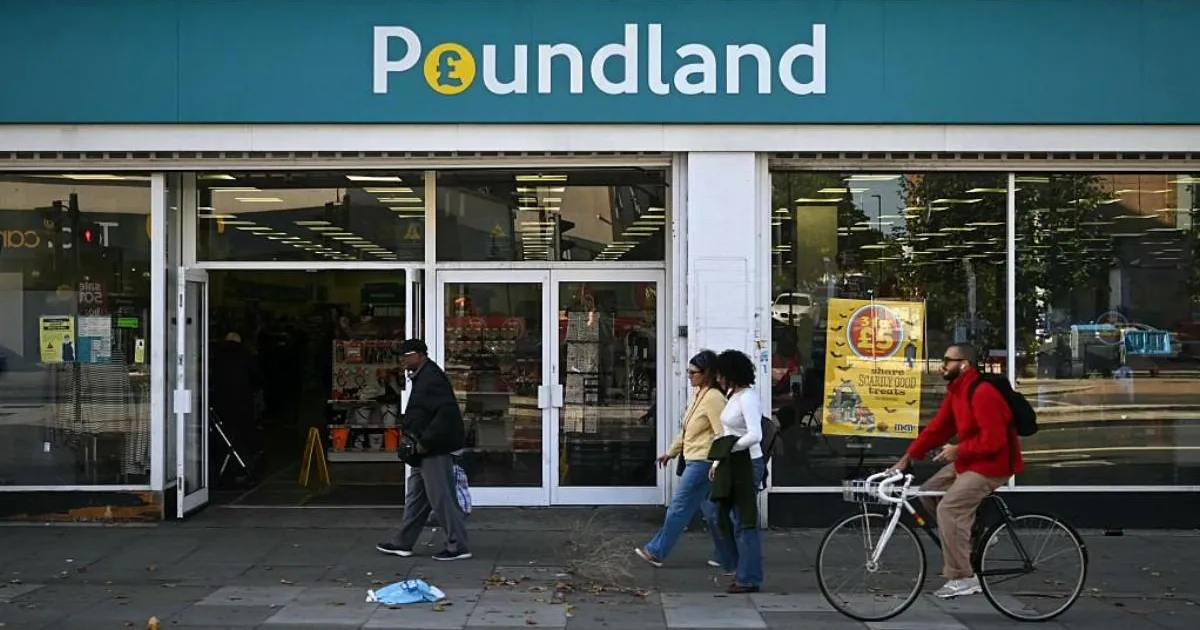
It starts with a sight that has become all too familiar on British high streets: shelves once stacked high with brightly coloured bargain goods now standing empty, like a skeleton stripped of its flesh. The Poundland store in Warminster, Wiltshire, is due to close its doors later this month, but the photographs coming out of the shop tell a deeper and more troubling story. The shelves are not just slightly thinned out in the usual way of a store preparing for renovation or refit; they are bare, barren, almost completely stripped of products. Customers walking in are greeted by a hollow, echoing space where there should be baskets of toiletries, stacks of snacks, and household essentials. And this is happening against a backdrop of truly worrying news for the entire brand. Reports have emerged that Poundland itself is on the verge of collapse, with the discount retailer having filed a notice of intention to appoint administrators. That legal step provides a temporary shield from creditors, but only until Thursday, after which the future of the entire chain could hang in the balance. If the worst happens, Poundland stores across the country could disappear from the high street altogether. For now, the immediate cause of the Warminster closure is a failed lease negotiation on the Market Place premises, but the broader financial turmoil hanging over the company makes every empty shelf feel like a warning sign for something far larger.
For the people who live and shop in Warminster, the closure is not just a piece of retail news; it is a personal loss. The reaction from locals has been a mixture of shock, anger, and deep sadness. One shopper described their disbelief, saying, “I couldn’t believe that the store was closing – it’s always been so popular. I was shocked to walk in and find the shelves already bare. There’s barely anything left.” Another long-time customer spoke with real emotion about what the store has meant to the community, saying, “We’ve been coming in here since it opened and I’m really sad that it’s going. The staff have always been so friendly and helpful – I feel for them, I really do. We’re really angry at this closure. It’s a staple for us and another loss to the high street.” These are not the words of people who simply enjoyed a convenient place to buy cheap goods; they are the words of people who have lost a familiar landmark, a source of affordability, and a place where they were known by name. In an age when so much shopping has moved online, a store like Poundland still plays a vital role in the everyday rhythm of a town. It is where people bump into neighbours, where pensioners stretch their pensions, where young families pick up school supplies and treats without breaking the bank. To see it reduced to empty shelves is to witness a small piece of the community being hollowed out, and the sense of powerlessness is palpable.
Behind the tills, the mood is even more anxious. A member of staff, who did not wish to be named, spoke candidly about the fear and frustration that comes with knowing your workplace is closing. They explained that employees are now competing for a shrinking number of positions, with another store in Midsomer Norton also due to close, meaning fewer opportunities for everyone. “We have the Midsomer Norton store closing so it means less opportunities for us. It is sad but what can we do,” they said. That quiet resignation is heartbreaking because it captures the reality of retail work in modern Britain: job security is fragile, and even loyal, hardworking staff can find themselves suddenly facing an uncertain future. The human cost of a high street closure is not just about lost profits or empty property; it is about people who have mortgages, rent, families, and dreams. It is about the colleague who always remembers your name, the assistant who helps you find the right size, the cashier who jokes with you while scanning your items. When those doors close, those people do not simply vanish; they are left to scramble for whatever work they can find, often in an already crowded job market. The consultation process that Poundland has promised to run may offer some formal guidance, but it cannot take away the anxiety of not knowing what comes next. Every empty shelf in the store is a reminder that behind this corporate story are real lives, real bills, and real worry.
Poundland’s official response to the Warminster closure has been careful and measured, perhaps mindful of the wider storm around the company. A spokesperson confirmed the news to the local press, saying, “The store at 17 Market Place in Warminster is due to close on 21 November. I’m afraid this is because we’ve been unable to agree a new lease for the premises. We know how disappointing this will be for customers and colleagues alike.” The spokesperson was also keen to stress that this particular closure is not directly related to the retailer’s broader financial troubles, which saw the company enter administration in October. That may be technically true, but to shoppers and staff, the distinction feels almost meaningless. Whether a store closes because of a landlord dispute or because the company has collapsed, the result is the same: a dark frontage, a lost service, and a community left to wonder what went wrong. And the broader context is impossible to ignore. The chain is said to be unable to buy new stock to fill shelves because it has been blocked by its owners, a detail that explains why the Warminster shop looks so desolate even before its official closing date. The company has filed a notice of intention to appoint administrators, a move that gives it breathing room from creditors but also signals just how serious the situation has become. If administrators are eventually appointed, the future of all Poundland stores will be in question, and the brand that has been a fixture of British retail for decades could disappear entirely.
The possible disappearance of Poundland would be a significant blow not just to the company’s employees and loyal customers, but to the very idea of the British high street. Poundland has long been a place where people from all walks of life can shop without judgement, where the price is clear and the value is straightforward. In a time of rising living costs, energy bills, and food prices, discount retailers have become a lifeline for millions of families. They are not just places to buy cheap goods; they are essential infrastructure for people who need to make every pound count. Losing them would create a gap that is not easily filled by online shopping, especially for older people, those without reliable internet access, and those who prefer the dignity of browsing in person. It would also send a chilling message about the state of the high street itself. We have already seen so many beloved chains disappear or shrink in recent years, from Woolworths to Debenhams to a long list of supermarkets and clothing stores. Each closure chips away at the character and convenience of town centres, leaving behind boarded-up windows and a sense of decline. If Poundland, a store so deeply associated with affordable everyday shopping, cannot survive, what does that say about the future of physical retail? The empty shelves in Warminster are a symbol of a much larger problem: a system where landlords, owners, creditors, and administrators all pull in different directions while ordinary people watch the places they rely on vanish before their eyes.
Ultimately, the story of the Warminster Poundland is a story about more than just one shop or one company. It is a story about the fragility of everyday life and the quiet, often overlooked institutions that hold communities together. A pound shop might seem like a small thing, but for the people who work there, it is a job; for the people who shop there, it is a lifeline; and for the town itself, it is a sign that the high street is still alive. The anger and sadness expressed by shoppers and staff are not just about losing a store; they are about losing a sense of security and belonging. As the deadline for administrators approaches, the future of Poundland remains uncertain, and that uncertainty is felt most acutely by those who can least afford it. The company says it is working with affected staff through consultation, but consultation does not pay the rent or guarantee a future. What we are witnessing is a slow, painful unraveling of a retail institution, one that may not end with a dramatic crash but with a series of quiet, heartbreaking closures like the one in Warminster. If we want to avoid seeing more empty shelves and more shuttered frontages, we need to think seriously about what we value and how we protect it. The high street is not just a collection of businesses; it is a shared space, a place of human connection, and a reflection of our priorities. The bare shelves in Poundland should be a wake-up call to us all, because when the pound shops go, so too does a little bit of the neighbourhoods they served.