
Here is a summarised and humanised account of the story, presented in six paragraphs.
—
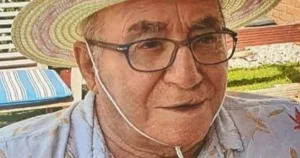
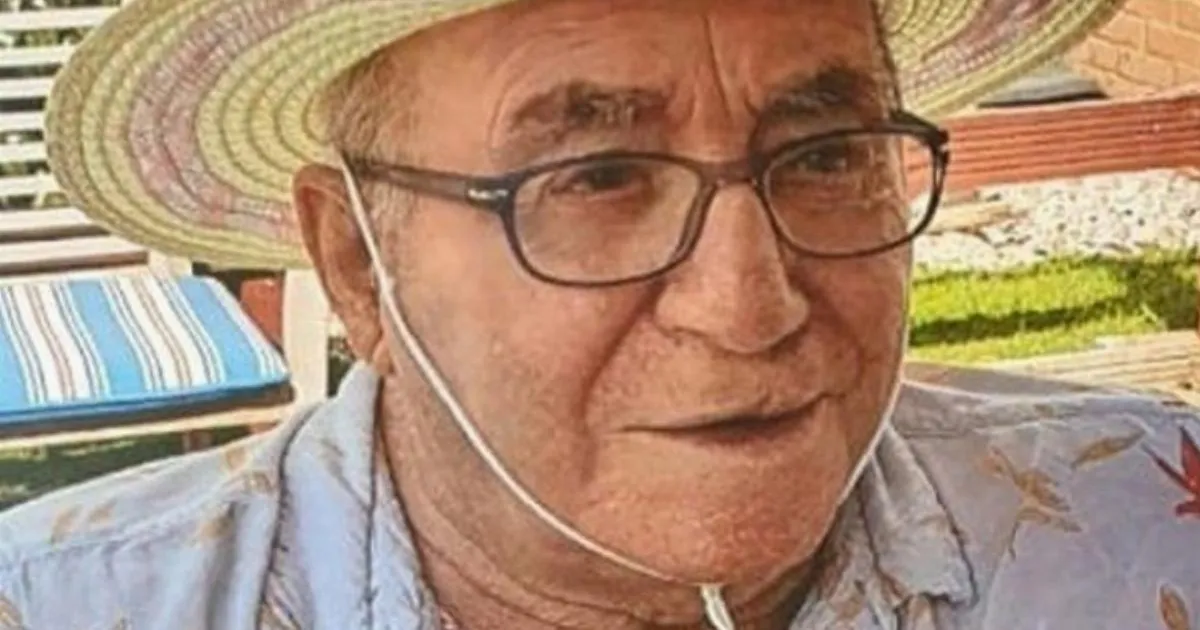
Donald Burgess was not a statistic, nor a cautionary tale, nor a footnote in a police misconduct file. He was a 92-year-old man who had lived through nearly a century of life, loved by his family, and deserving of dignity in his final days. Instead, his final weeks were marked by a violent encounter inside the very place that was supposed to care for him. Mr Burgess, who had lost a leg and relied on a wheelchair, was Tasered, struck with a baton, and doused in synthetic pepper spray by two police officers inside a care home in St Leonards, East Sussex. The officers, Pcs Stephen Smith and Rachel Comotto, had been called to the home on June 21 2022, following a report that a resident was holding a knife and threatening to stab staff. But when they arrived, they did not encounter a dangerous assailant. They found a frail, disabled elderly man, isolated in a room, holding a cutlery knife. Within ninety seconds of entering, both officers had used force against him. His family, already shattered by his death just weeks later, are now fighting for the full truth, insisting that Donald should be remembered for the life he lived, not for the events that brought them to this point.
The details of that day are harrowing, especially when pieced together through body-worn camera footage and the findings of an independent investigation. The officers were responding to a difficult situation, but the evidence suggests they escalated it with alarming speed and a complete lack of de-escalation. Mr Burgess was not a threat in the conventional sense. He was wheelchair-bound, had an amputated leg, and was holding a cutlery knife—not a weapon that should have sent two trained officers into a panic. Yet Pc Smith discharged Pava spray directly into the elderly man’s face and struck the arm holding the knife with a baton. Then, almost as an afterthought or perhaps as a further show of force, Pc Comotto deployed her Taser. The incident was not a fast-paced, life-threatening confrontation. It was a moment in which two police officers, charged with protecting the public, seemed to forget that the man before them was a vulnerable human being. They did not wait, they did not talk, and they did not seek to calm the situation. Instead, they used weapons designed for volatile, dangerous individuals against a 92-year-old man who posed little risk to anyone but himself.
The aftermath of that violence was swift and tragic. Mr Burgess was taken to hospital after the encounter, where he later contracted Covid-19. He died twenty-two days later, aged 93. The official line from Sussex Police was that the officers’ actions did not cause or contribute to his death, but for his family, that explanation feels hollow. How can anyone be certain? How can a man of that age, subjected to such force, simply be written off as a victim of an unrelated virus? The Independent Office for Police Conduct (IOPC) launched an investigation, and a misconduct hearing found that the two officers had used inappropriate and excessive force against the disabled man. In May 2025, they were cleared of assault charges at Southwark Crown Court, but that legal acquittal did not protect their careers. On Tuesday, both Pcs Smith and Comotto were dismissed without notice. For the family, this dismissal was a small measure of justice, but it does not bring Donald back, and it does not answer the lingering questions about why so much force was used so quickly on a man who should have been protected, not punished.
What makes this case even more disturbing is the behaviour of Pc Comotto after the incident. While Mr Burgess lay in hospital, fighting for his life, she took to Facebook and made a comment that revealed a shocking lack of empathy. When someone posted a message that read, “Happy birthday, the care home is getting closer and closer,” Comotto replied: “We all know what happens in care homes,” followed by a lightning bolt emoji. The comment was not just inappropriate; it was cruel, flippant, and deeply disrespectful. It suggested that the officers involved saw the incident as a joke, or perhaps as confirmation of some dark stereotype about care homes and the elderly. The misconduct hearing was told that Comotto accepted writing the comment on the day of the incident. This single post stripped away any pretence of professionalism and exposed an attitude that is terrifying when held by someone with the power to use a Taser. It also reinforced the family’s belief that Donald was not treated as a vulnerable man in need of care, but as a nuisance to be subdued.
Donald Burgess’s family have welcomed the decision to dismiss the officers, but their fight is far from over. Their solicitor has formally asked for the inquest into his death to be resumed, arguing that there are unanswered questions about the force used by the officers and the actions of the care home itself. In a statement, the family said they remained concerned that opportunities to de-escalate the situation were missed, including the fact that family members who lived nearby were not contacted by staff at Park Beck nursing home before the police were called. It is a devastating point. Why was the police called first? Why not his relatives, who knew him, who could have calmed him down, who could have prevented this entire tragedy? The family emphasised that Donald was a much-loved family man, and they want him to be remembered for the life he lived, not simply for the events that brought them to this point. Those words carry the weight of a family trying to protect the memory of a man who was so much more than the victim of a police misconduct case. They are not just seeking accountability; they are seeking to restore his humanity in the eyes of the world.
The public reaction to this case has been one of outrage, and rightly so. Emily Barry, the IOPC’s director of engagement, said the footage of the incident had caused widespread concern and anger, and she made clear that this was not a situation where officers or other residents were in immediate danger. “Mr Burgess, who was wheelchair-bound and holding a cutlery knife, was isolated from other residents and clearly posed little risk to the officers,” she said. “Any use of force should have been a last resort and only used when necessary.” Sussex Police’s Deputy Chief Constable, Paul Court, echoed those sentiments, offering a formal apology to the family and saying he was appalled by the officers’ actions. “The force used against Mr Burgess by these officers was excessive, unnecessary and in no way reflects the conduct of those who serve in Sussex Police, particularly when responding to incidents involving vulnerable people and those in crisis,” he said. These words, however sincere, cannot undo the damage. They cannot bring Donald Burgess back, and they cannot erase the image of a defenceless 92-year-old man being Tasered in his wheelchair. But they do acknowledge a fundamental failure—a failure of compassion, of training, and of basic human decency. Donald Burgess deserved better. His family deserved better. And the hope is that, through their tireless pursuit of the truth, no other family will have to endure the same heartbreaking loss.