

There’s a particular kind of quiet devastation that settles over a high street when a shop closes, when a familiar window board goes up, when a trusted local business quietly gives up. That devastation is often the end result of something far less visible: a steady, corrosive stream of stolen goods being sold just around the corner, undercutting honest traders and funding criminal networks. In London, the Metropolitan Police decided to do something about it. Over two intense weeks, in an operation codenamed Zoridon, officers swept across the capital and raided more than 400 shops suspected of selling stolen property. The scale was staggering. They arrested 42 people, seized up to £100,000 in suspected stolen goods, and secured closure orders for 11 businesses. The items recovered read like a strange and troubling inventory of everyday life: iPhones, cosmetics, food, tools, toiletries, and other goods that should never have ended up on display in shop windows or under car boot tables. For honest shopkeepers and residents alike, the raids were more than just a police statistic. They were a message that somebody had finally noticed the damage being done.
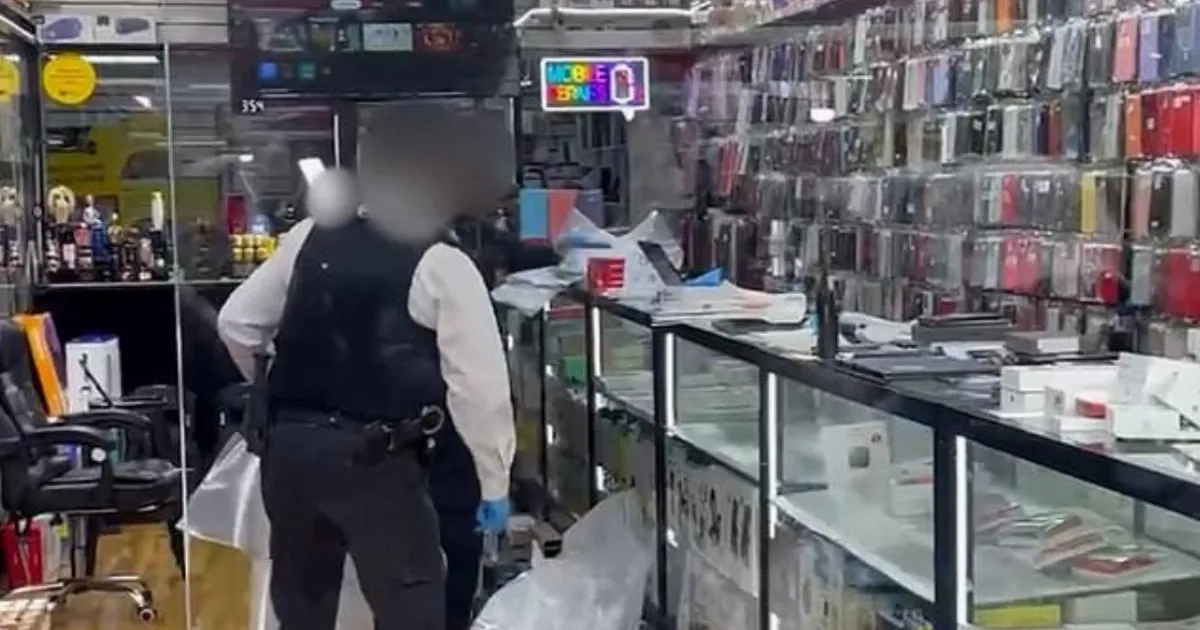
What made this operation so effective was that police did not just focus on the moment of theft. They dug into the entire chain of criminality, from the person who stole the item to the business owner who bought it and flipped it for profit. The method, investigators found, was both chillingly organised and almost mundane. Prolific shoplifters were stealing to order, working from what officers described as “shopping lists” supplied by the people who would buy and resell the stolen goods. A phone thief on the street might be yelled at by his handler, a shop owner might text a list of wanted models, and within hours those devices would appear on shelves in a rogue electronics store, stripped of their history and sold to an unsuspecting customer. In one phone shop in Hounslow, West London, officers discovered 300 phones and £15,000 in cash. In other raids across the city, they found drugs, stolen passports and IDs, and even a machete. The same pattern was repeated with cosmetics and food, with high street retailers losing stock to organised teams who knew exactly what would move quickly. Car boot sales, too, emerged as a key marketplace for stolen goods, with tools and counterfeit products openly traded alongside legitimate bargains.
The human cost of this shadow economy cannot be overstated. Behind every recovered phone or seized pallet of tools, there is a hard-working retailer watching their margins shrink, their stock disappear, and their customers walk away, sometimes to the very shop that is selling stolen goods at a suspiciously low price. That frustration was a driving force behind Operation Zoridon. The Met did not act alone; they worked side by side with trading standards officers and with legitimate retailers who were fed up with being undercut by criminals. Deputy Commissioner Matt Jukes, who personally joined a raid on a phone shop in Brixton, made that partnership clear. “Honest retailers have been clear that they want action against the minority of rogue businesses that fuel retail crime, undercut legitimate traders and damage confidence in our high streets,” he said. “This Met operation has done exactly that, targeting those who create a market for stolen goods and profit from criminality.” For the shopkeepers who have spent years watching shoplifters walk in and out unpunished, who have installed additional cameras, hired security, and locked up expensive items on the shelves, those words carried real weight.
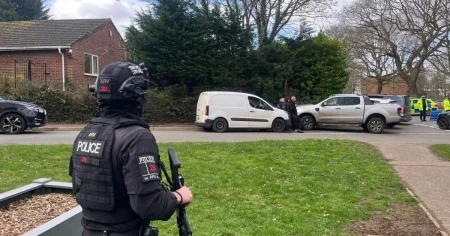
The operation itself was as bold as it was effective. Officers did not merely request meetings or send polite warning letters; they arrived with the heavy steel “enforcer” battering ram, breaking into shops where evidence was being hidden behind locked doors and false panels. The image of police in protective gear forcing their way into a back room filled with stolen phones and cash is exactly the sort of scene that reassures honest business owners that the system can work. In raids across London, officers targeted every stage of the criminal chain. As Jukes put it, “Over the last two weeks, Met officers have targeted every stage of the criminal chain, from prolific shoplifters stealing to order through to the shop owners buying and reselling stolen goods. Tens of thousands of pounds worth of suspected stolen goods have been seized, shop owners arrested and businesses closed down. Those results send a clear message: if you profit from retail crime, you will be arrested.” It was a coordinated effort, with legitimate retailers sharing intelligence, trading standards providing regulatory muscle, and the police providing the enforcement. Between them, they disrupted a network that had been quietly draining money from the capital’s high streets and making everyday shopping feel less safe.
One of the most striking aspects of the operation was its attention to less obvious venues, particularly car boot sales. For many people, car boot sales are a wholesome weekend tradition, a place to find a bargain and give old possessions a second life. But police discovered that these markets were also being used as a convenient outlet for stolen goods, especially stolen tools. In Hounslow, officers arrested three people and seized five pallets of suspected stolen tools, as well as counterfeit Dyson products. Rather than simply shutting down individual stalls, the Met issued warning notices to car boot sale organisers, making it clear that they would face prosecution if they knowingly allowed stolen goods to be sold on their premises. This was an important step. It sent a message that anyone who provides a platform for criminality, even indirectly, shares responsibility for the trade. It also highlighted just how far the stolen goods market extends beyond traditional “fences” and suspicious pawn shops. From the street corner to the weekend market, the chain of stolen goods connects a wide cast of people, and the police have made it clear that they are willing to chase that chain all the way through.
The results of Operation Zoridon are already visible in the wider picture. According to police figures, shoplifting across London fell by 3.7 percent in 2025, which is roughly 3,500 fewer offences than the previous year. More importantly, positive outcomes for shoplifting investigations doubled, meaning that more cases are now leading to arrests, charges, or other meaningful resolutions rather than being quietly dropped. Those numbers are not just dots on a graph; they represent real moments of relief for store managers who no longer have to watch the same offender walk past their till, for security staff who feel their reports are finally being taken seriously, and for customers who can shop without wondering if the discounted goods on offer were stolen from someone else. But this is not a moment for self-congratulation. Operation Zoridon was a two-week burst of focused enforcement, not a permanent fix. The conditions that create the stolen goods trade, economic pressure, addiction, organised crime, desperate people making bad choices, and greedy business owners looking for a quick profit, do not disappear overnight. What the operation has done is prove that progress is possible. It has reminded London that laws are only as strong as the will to enforce them, and that behind every criminal network there is a community of honest people who deserve better. The message from the Met is simple: if you profit from retail crime, you will be arrested. For the city’s high streets, that message is not just welcome. It is a lifeline.