



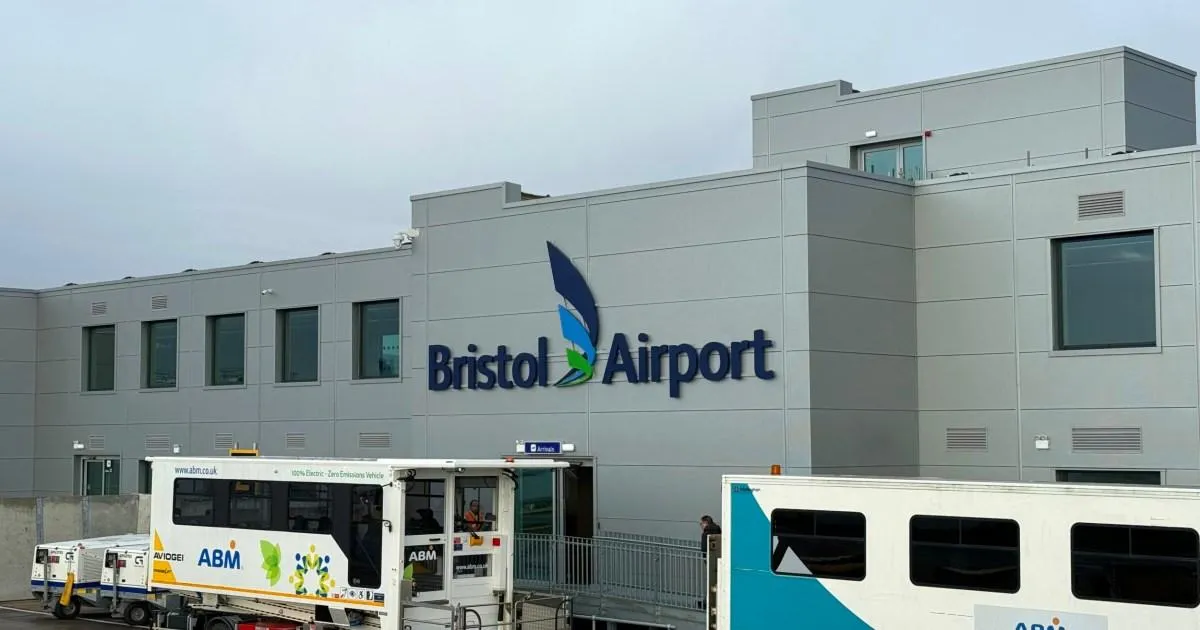
The travel chaos currently unfolding at Bristol Airport serves as a stark reminder of how fragile our modern transit systems truly are. What began as a routine day for hundreds of travelers quickly spiraled into a nightmare when a sudden defect on the runway forced a complete suspension of operations. Rumors of a “hole” in the tarmac spread like wildfire through the packed terminals, turning a standard wait into a stressful, uncertain ordeal. As flights were grounded and the facility struggled to cope with the influx of stranded passengers, the atmosphere shifted from typical holiday excitement to genuine distress.
For many, the frustration wasn’t just about the canceled flight, but the profound sense of isolation caused by a lack of clear information. Passengers like Paul Smith, who had hoped to travel to celebrate his son’s 20th birthday, expressed deep disappointment in the airport’s handling of the crisis. When people are left in the dark, they naturally fill the void with speculation and anxiety. This breakdown in communication left travelers feeling abandoned, with many noting that the advice and support they were promised simply never materialized, leaving them to navigate the confusion on their own.
The scene inside the terminal grew increasingly volatile as the hours ticked by. Some travelers took to social media, describing the environment as a “hostage situation” as they were funneled into crowded ground-level holding areas. For passenger Richard Broadbent, the experience was terrifying; he recounted moments where alarms blared, people began screaming, and the sheer lack of visible staff led to a desperate, chaotic surge of people trying to find a way out. It is a sobering image that highlights how easily a logistical failure can escalate into a public safety concern when human needs for information and reassurance are ignored.
While Bristol Airport maintains that the suspension is a necessary precaution to inspect and repair the runway—reiterating that safety remains their primary objective—the disconnect between that corporate messaging and the lived experience of the passengers is glaring. Incoming flights were forced to divert to airports as far as London, Birmingham, and Cardiff, creating a ripple effect of inconvenience that extended far beyond the immediate site of the defect. It is a stark example of how a single structural issue can paralyze the travel plans of hundreds, leaving families and business travelers alike stranded in transit hubs, often with little more than their carry-on bags.
Compounding this national transport headache, Birmingham Airport is simultaneously grappling with a separate, yet equally disruptive, baggage system failure. Passengers there described the situation as “utter carnage,” with many forced to depart for their destinations without their luggage. Eve Sandle, a traveler heading to Turkey, voiced the anxiety of many when she realized she would be starting her trip with nothing but the clothes on her back. While engineers work on-site to restore the system, the sentiment among travelers remains one of exhaustion. These back-to-back incidents suggest a broader struggle within the aviation industry to keep up with the demands of modern travel.
Ultimately, these stories remind us that behind every flight delay or system error are real people with personal milestones, family reunions, and hard-earned holidays at stake. While mechanical and structural defects are often unavoidable in complex infrastructure, the human element—transparency, empathy, and effective crisis management—is what ultimately determines whether a traveler feels cared for or forgotten. As both Bristol and Birmingham work to return to normalcy, the industry would do well to remember that in the digital age, a traveler’s experience is defined just as much by how they are treated during a crisis as it is by the safety of the runway itself.