


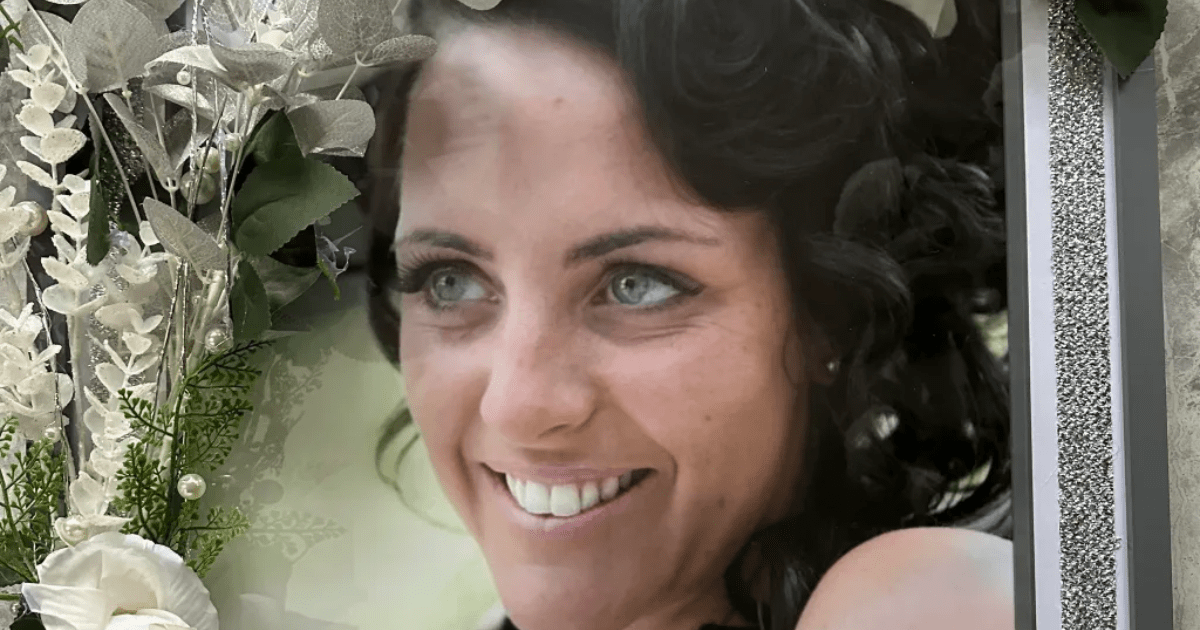
In the bustling, high-stakes world of medical tourism, a tragic story unfolded that serves as a stark cautionary tale about the dangers of impulsive decisions and the relentless pursuit of cosmetic perfection. Hayley Dowell, a vibrant 38-year-old mother of three from Eastleigh, Hampshire, tragically lost her life on October 3, 2023, at the BHT Clinic Istanbul Tema Hospital. The cause was complications arising from liposuction, a procedure she had traveled thousands of miles to undergo. Her journey, which began with the hope of a transformative new look, ended in a devastating, irreversible loss that has left her family shattered and prompted serious questions about the ethics and practices of the cosmetic surgery industry abroad. The inquest into her death has unveiled a disturbing sequence of events, highlighting how a simple preoperative upsell, presented with urgency and little time for reflection, can carry life-or-death consequences.
The path to that tragic day in Istanbul began not in a hospital but in the digital marketplace of the internet, where Hayley, like many others, sought a more affordable solution for her cosmetic goals. She had previously undergone breast implant surgery in the UK and was now interested in a tummy tuck combined with liposuction. The cost of such procedures in Britain was prohibitive, but she found a medical broker, Qunomedical, which offered a package deal for around 7,000 euros, organizing the hotel, the clinic, and the surgeon. Her husband, Neil Dowell, was hesitant from the start. “I didn’t trust surgery abroad, thought it should be in the UK,” he told the inquest at Winchester Coroner’s Court. He tried to persuade her against it, but Hayley was persistent, having done her research and swayed by a “kind of trend” she had seen among friends and in stories online. The couple, who had been together for years, decided to make it a trip, with Neil even booking to have his teeth done in Turkey while Hayley had her surgery. The decision, while financially understandable, set the stage for a tragedy that would engulf their family.
Upon their arrival in Turkey, the night before the scheduled operation, the couple was taken to the clinic for blood tests and paperwork. They were presented with a list of risk factors and signed documents, but Neil noted that they were not given a copy to take back with them to the hotel. The whirlwind nature of the process was just beginning. The following day, as Hayley was marked up and ready to be wheeled into the operating theatre, the surgeon made a suggestion that would set the tragedy in motion. He proposed adding a Brazilian butt lift (BBL) to her existing procedures. The idea was to use the fat being removed from her abdomen via liposuction to enhance her “flat” bottom. Hayley was reportedly “quite happy with that.” But the timing and the pressure were the issue. “As soon as he left the room, a young lady came in with a card machine, we had a five-minute window to decide to have the procedure or pay for it or not,” Neil recalled. “I don’t recall seeing a consent form at all. It was just in the moment it was so quick. We had to make a quick decision – it was a mad rush.”
It was this very scenario that troubled Area Coroner Nicholas Walker, who presided over the inquest. He voiced grave concerns that offering such a “risky” procedure in this manner could lead to future deaths. Although the evidence presented did not conclusively prove that the BBL itself was the direct cause of death, the coroner emphasized that the very act of upselling a major surgical procedure in a pressured, time-sensitive environment was a significant risk factor. “Hayley was marked up and ready to go to theatre when presented with a choice and given a card machine to complete that transaction,” he said. This is a stark departure from medical practice in the UK, where patients would have a 14-day cooling-off period to reflect on any proposed procedure, and where the operating surgeon would have discussed the details and risks of the operation well in advance. The coroner decided to write to the Health Secretary and the General Medical Council to raise these concerns, acknowledging that while he “cannot be involved in what happens in any other country,” he must focus on how citizens of his country are informed so that their eyes are open when they get on a plane.
The reality of the danger became horrifyingly clear in the hours following the surgery. The operation took four hours, and initially, Neil was told that everything was fine. But as midnight approached, the news turned catastrophic. The surgeon informed him that Hayley was gravely unwell, having suffered two cardiac arrests. The devastating words that followed are ones no spouse should ever have to hear: “you should say your goodbyes.” Hayley, described by her family as a fun-loving girl who adored her children and was training to be a dental nurse, died that night. Her family were left to process an almost incomprehensible loss. In a statement, they said, “She’s a big loss, she had everything to live for, especially her children, she’s greatly missed.” The medical team in Turkey, though an interested party in the inquest, did not give evidence, and the coroner made no findings regarding the specific competence of the surgeon, noting that further questions may be answered in litigation that is currently ongoing in Turkey.
The inquest also heard powerful testimony from an expert witness, consultant plastic surgeon Elaine Sassoon, who painted a grim picture of the modern cosmetic tourism industry. Describing the practice in Turkey, she said it had become “a conveyor belt,” with no sense of the patient as “a human being, as a doctor should view the patient.” She was asked her professional view of Hayley’s case, where she was offered an additional treatment at a discount price just 15 minutes before surgery. Her response was stark and telling: “My professional view is, oh dear, this is a conveyer belt, there is no sense as the patient being viewed a patient, a human being, as a doctor should view the patient. It’s become just a transaction and you just think, because he had no contact with Hayley before, he had no idea of who she was.” She acknowledged that cosmetic tourism is a multi-billion-dollar industry that is “not going to disappear,” driven by economic and political factors, but she stressed the importance of setting baseline safety standards. “We can’t stop it,” she said, “but what we need to do is set baseline things that will make it safer.”
The story of Hayley Dowell is more than just a report on a medical failure; it is a deeply human tragedy that exposes the stark differences between healthcare systems and the unregulated nature of a global industry. Her decision was born out of a desire to improve her confidence, a common aspiration, but it was made within a system that seemingly prioritizes transaction over care. The five-minute window to make a life-altering decision, the pressure of the card machine, and the absence of a cooling-off period all represent a systemic failure to protect patients. Her husband’s grief is compounded by the memory of that rushed decision, wondering if there was something he should have done differently. Her death is a potent symbol of the risks inherent in cosmetic surgery abroad, where the allure of a bargain price can mask the absence of rigorous safety protocols, comprehensive aftercare, and the sacred, unhurried doctor-patient relationship that is the cornerstone of ethical medicine. The inquest’s findings and the coroner’s letter are the only tangible steps that can be taken to try and prevent another family from enduring such a loss, hoping that by shining a light on this tragedy, others will be more informed and more cautious, and that a moment of haste will not lead to a lifetime of grief.