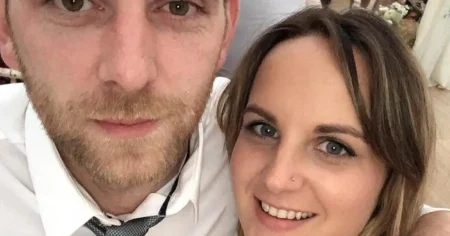


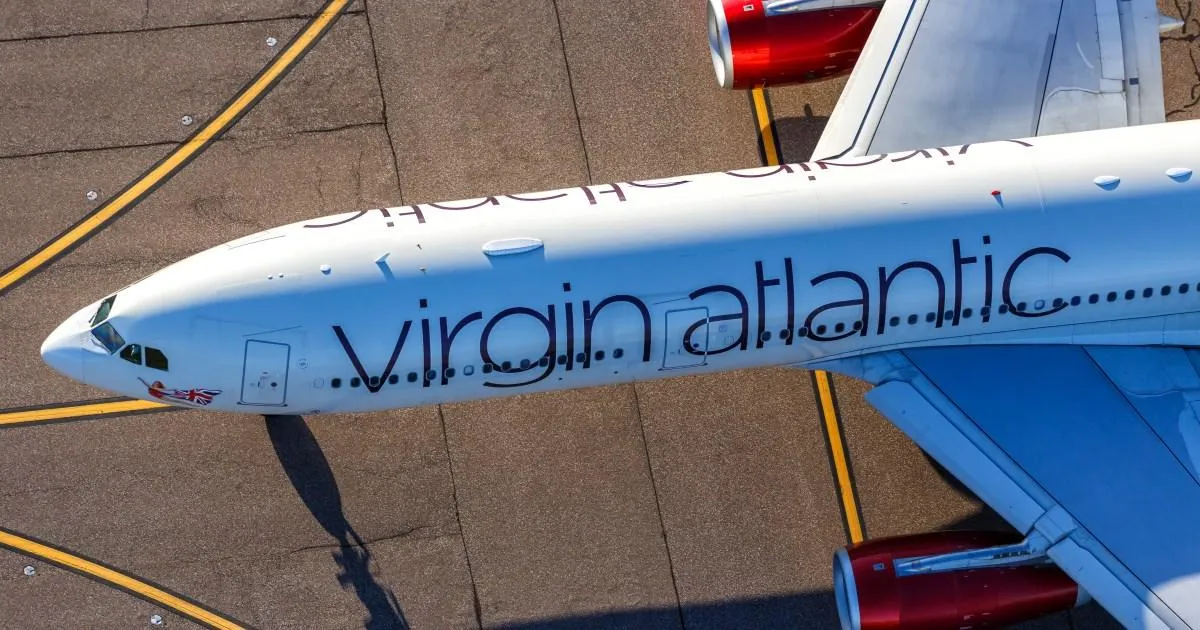
The world of aviation is often defined by the sleek engineering and soaring ambition of flight, yet beneath the shiny exterior of a Boeing 787 Dreamliner lies a complex, industrial reality. It was within this environment at Heathrow Airport that a promising career was tragically cut short. Georgie Buxton, a dedicated aircraft engineer, was performing his duties in a hangar on June 11 when a catastrophic accident occurred. While the exact mechanics of the tragedy are still being pieced together by investigators, reports confirm that he was crushed by equipment during his shift. For three agonizing weeks, Georgie fought for his life in a hospital, kept alive by machines, before his family and colleagues were forced to face the heartbreaking decision to turn off life support on July 7.
To understand the scale of this loss, one must look at the person behind the professional title. By all accounts, Georgie was a man driven by a genuine passion for his craft and a hunger for growth. Only months before the accident, in early 2024, he had shared his excitement about joining the team at Virgin Atlantic. He had transitioned from a role at Ryanair in Stansted, where he left behind a record of diligent service and deep professional relationships. His announcement on social media at the time was filled with optimism and gratitude, reflecting a man who was deeply committed to refining his skills as an engineer. He spoke fondly of his mentors and peers during his time at Ryanair, viewing his move to Virgin Atlantic as a natural and exciting step in his journey to master the complexities of different aircraft.
The atmosphere at Heathrow, a place usually synonymous with the hum of jet engines and the bustle of global travel, has been shadowed by a profound sense of mourning. Virgin Atlantic issued a statement describing Georgie as a “much-loved” member of their engineering department, acknowledging the devastating impact his absence has left on the hangar floor. It is rare for the clinical language of aviation safety to intersect so painfully with human grief, but the statement released by the airline emphasized that their primary focus remains on supporting Georgie’s family and friends during this unimaginable time. The company’s leadership noted that they are providing whatever aid they can to those left behind, while simultaneously navigating the technical investigation that follows such a high-profile industrial fatality.
As the industry grapples with the shock of the incident, the mechanisms of accountability have already been set in motion. Officials from the Metropolitan Police’s Aviation Policing Unit and the Health and Safety Executive (HSE) are currently conducting an exhaustive investigation to determine exactly how the machinery failed or was operated at the time of the collapse. This process is essential, not only for legal reasons but to ensure that such a life-altering accident never happens again. Virgin Atlantic has pledged full cooperation with these authorities and with Boeing, the manufacturer of the aircraft involved, to uncover the facts. Their commitment to safety, though standard for an airline of such stature, takes on a heavy, solemn tone when weighed against the loss of a colleague whose life was built on ensuring the safety of others.
While the investigation continues, there is an uncomfortable contrast between the routine nature of an engineer’s day and the scale of this tragedy. Every day, thousands of employees at airports across the globe perform high-stakes work, often in challenging conditions, to ensure that the traveling public remains safe at 30,000 feet. Georgie Buxton was one of those silent architects of flight, a technician whose expertise ensured the airworthiness of the machines that ferry millions around the world. His death serves as a stark, sobering reminder that the costs associated with aviation are not limited to fuel or maintenance; there is an inherent danger in the machinery of modern transit that requires constant vigilance, and sometimes, even that is not enough.
In the days since July 7, the industry and the public have been left to process the loss of a man who was clearly at the start of a bright future. Georgie’s family, understandably, has requested privacy as they navigate the depths of their bereavement, and the aviation community has largely respected this boundary while offering waves of tributes to a colleague gone too soon. As the investigation moves forward, the focus will undoubtedly shift to systemic changes and safety protocols, but behind those policy documents will always remain the image of a man who loved his work and who should have gone home to his loved ones at the end of his shift. For now, Heathrow remains a place of work, but for those who knew Georgie, it remains a place where a light went out far too early.