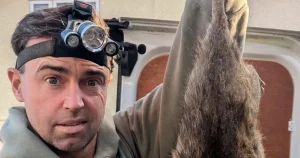


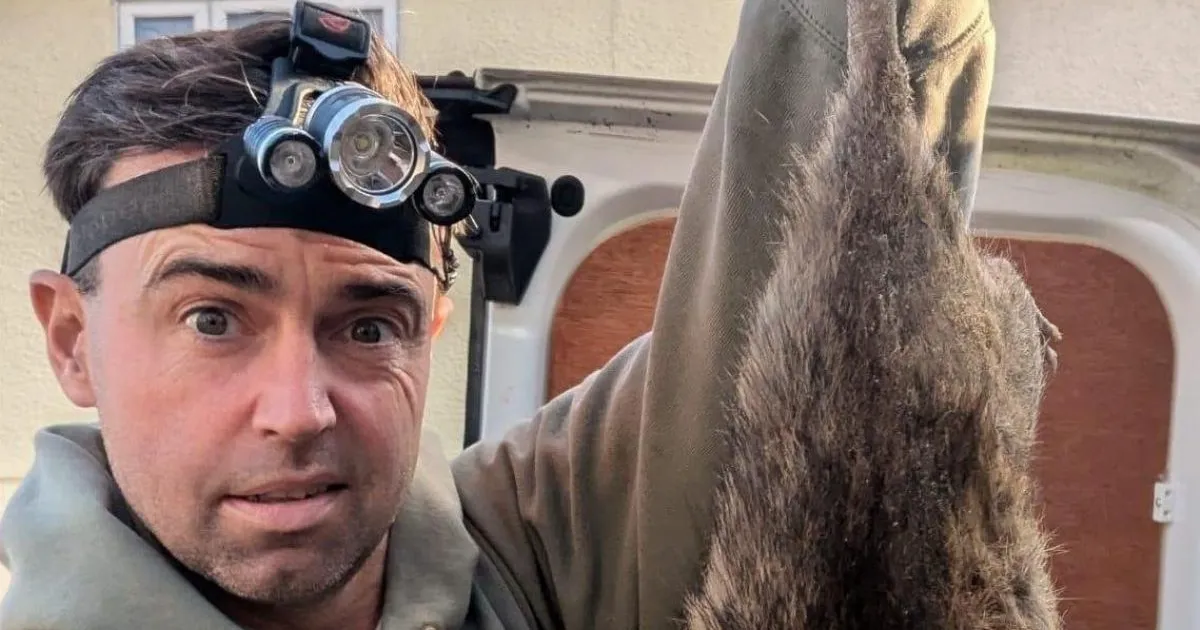
There is something uniquely unsettling about the sound of scratching inside a wall at night—a faint, persistent rustle that tells you something is living exactly where you thought you were safe. For most of us, a rat is something we glimpse for a second in a station tunnel or read about with a shudder before turning the page. But for pest control expert Paul Claydon, rats are not a distant fear; they are his daily reality, and lately that reality has become something close to a nightmare. Claydon, who runs Fast Track Pest Control in Essex, says he has never in his entire career seen so many rats—or such enormous ones. Britain, it seems, is in the grip of a monster rat boom, and the creatures are multiplying in ways that have even seasoned professionals feeling uneasy. The numbers are not just higher; they are staying alarmingly high through months when rat activity would normally quiet down. This is not a fleeting seasonal nuisance. It is a sign that something fundamental has shifted, and the rats are taking full advantage of it. They are bigger, bolder, and more numerous than ever before, and they are moving into homes, gardens, and businesses with a confidence that feels almost personal. The causes are complex, but the outcome is simple: rats are thriving in a world that was supposed to be under human control, and the humans are left to deal with the consequences.
Paul Claydon’s voice carries the weary authority of someone who has spent years watching patterns, noticing trends, and predicting the ebb and flow of infestations. In a normal year, he says, summer brings a welcome lull in rat call-outs. The breeding frenzy of winter fades, the demand for pest control dips, and there is a brief, blessed pause before the colder months drive the rodents indoors again. Not this year. This year, the phone has not stopped ringing. “This year in particular has been exceptionally busy,” Claydon explains. “Normally, rat call-outs start to ease off through the summer, but this year the volume has stayed really high. I’m seeing levels of rat work in summer that I’d usually associate with the peak winter periods.” For someone in his line of work, that is not just surprising; it is a warning. When summer rat activity matches winter levels, it means the natural cycles that have kept rat populations in check are no longer working as they should. The mild winters that have become increasingly common in Britain are a major part of the problem. Warmer temperatures mean fewer rats die off during the coldest months, which in turn means that the survivors enter the spring with a head start. Breeding seasons are no longer strictly bound by the cold; instead, they stretch longer, with more litters born each year. Every clue in the environment points to a simple, discomforting conclusion: the rats are adapting, and they are winning.
Food, of course, is the other great enabler. A rat’s life is a constant search for calories, and in Britain’s towns and cities, calories have never been easier to find. Claydon points to changing waste collection systems as one of the biggest factors driving the boom. Many local councils have shifted from weekly bin collections to fortnightly ones, and while that may save money on paper, it creates a feast for rodents. “Whenever there’s a delay or disruption to collections, you’re effectively creating a bigger food source for rats,” he says. Overflowing bins, plastic sacks ripped open by foxes, takeaway containers left on the pavement, food waste that sits for days in the summer heat—all of it is a buffet for a creature with an almost supernatural ability to find a meal. Birmingham, in particular, offers a textbook example of what happens when waste management breaks down. During the bin strikes there, mountains of rubbish built up in the streets, and reports of serious rat problems surged. But bin strikes are not the only culprit. Fly-tipping, untended compost heaps, bird feeders spilling seed onto the ground, and the simple carelessness of leaving food out for pets all contribute to an urban environment where a rat can eat three square meals a day without ever entering a building. Claydon sums it up bluntly: when you have more food available around urban areas, you have more rats. It is a predictable equation, but no less disturbing for being obvious.
The rats themselves have become almost monstrous in scale. Some of the specimens Claydon has encountered measure up to 40 centimetres—around 16 inches—from nose to tail. That is not a cute creature scurrying for cover; that is an animal that can make even a grown adult hesitate before entering a shed. And size matters, because bigger rats are harder to kill, more capable of fighting off predators, and more likely to survive the winter. But the danger they pose goes far beyond the psychological horror of encountering one in your garden. Rats are walking reservoirs of disease, capable of contaminating food and surfaces with bacteria and viruses. They leave behind urine and droppings that can sicken children and pets. They gnaw through cables, causing potentially deadly electrical fires. They burrow into walls and under floors, weakening the structures of homes. They are, in the most literal sense, invaders: they do not simply visit; they colonize, and every nest they build brings their world into ours. The damage they cause is not just financial, though the cost of repairing chewed wiring and contaminated spaces can be substantial. It is also emotional. To know that rats are moving through the same spaces where your family sleeps is to feel violated in a way that few other pests can replicate. There is no rationalizing it away. The rats are there, and the sound of their movement is the sound of your safety being undermined.
Few stories capture this horror more vividly than that of Jemma and Sean Williams, a family in Cwmbran, Wales, whose home became a battlefield. For roughly two years, the family knew they had rats outside their property. They set traps, baited poison, called in professionals, and tried to stay calm. But then the rats found a way inside, and the war became deeply personal. “We can hear rats crawling through the walls at night,” Jemma says, and the image is enough to make anyone’s skin crawl. The rodents left urine and droppings on their clothes, on the kitchen surfaces, on the counters where meals were prepared. The family tried everything—traps that failed, bait that the rats seemed to ignore, pest control treatments that killed a few but never ended the invasion. The psychological toll was enormous. How do you relax in a living room when you know something is twitching behind the plaster? How do you put a child to bed knowing that tiny eyes are watching from a hole in the skirting board? The Williams family is not a story of indifference or poor hygiene; they are victims of a wider infestation that began outside their home, likely entering through faults in the property maintained by Bron Afon Housing Association. They fought, they reported, they pleaded, but the rats kept coming. Their story is a reminder that a rat problem is never just one household’s problem. It is a neighbourhood issue, a systemic issue, a reflection of the world we have built and the way we manage it.
Perhaps the most unsettling thing about Britain’s rat boom is that it is not a passing crisis. The converging factors—milder winters driven by climate change, the weakening of waste collection systems, the abundance of urban food—are not going to reverse themselves any time soon. Rats are among the most adaptable creatures on Earth; they have survived ice ages, poisons, and countless attempts at eradication. They flourish wherever humans flourish, and they are now flourishing with a level of success that demands attention. For pest experts like Paul Claydon, this year has been a revelation, a warning that the old rules no longer apply. For families like the Williamses, it has been an ordeal, a nightly reminder of their own vulnerability. And for the rest of us, it is a prompt to look at our own bins, our own gardens, our own neglected corners. The fight against rats is not glamorous, and it cannot be won with a single dramatic gesture. It requires vigilance, community responsibility, and an honest reckoning with the way we live. The rats are not going away. They are growing larger, breeding faster, and learning to thrive in our presence. The question is whether we are willing to change our habits before they take full control of the spaces we thought were ours. If there is any comfort, it is in knowing that experts like Claydon are watching, tracking, and warning us. But warnings only matter if someone listens. The scratches in the wall are growing louder, and they are not asking for permission.