

The quiet rhythm of a Monday night in Clapham was violently shattered yesterday evening when the sound of gunfire echoed through Willington Road, near the bustling Landor pub. Around 10:00 p.m., the neighborhood’s typical stillness was replaced by the chaotic wail of sirens and the frantic arrival of emergency responders. For those living nearby, what began as a routine end to the day quickly turned into a scene of tragedy, as a man, believed to be in his twenties, lost his life in an act of violence that has left the local community shaken and looking for answers.
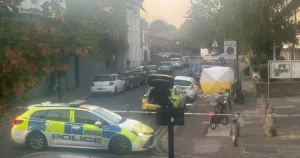
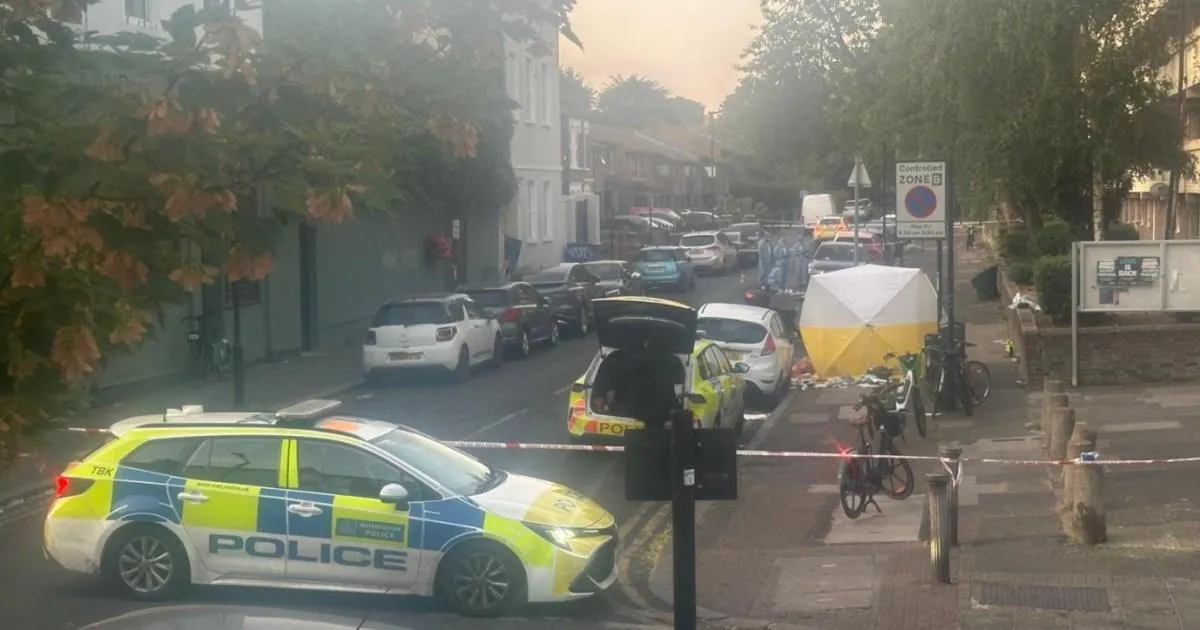
By the time the sun rose this morning, the area around the Fenwick Estate had been transformed into a crime scene, marked by the stark presence of blue-and-white police tape and a forensic tent standing solemnly on the pavement. The proximity of the scene to the Clapham North station—a transit hub usually teeming with commuters and residents—highlights the unsettling nature of the incident. For the people who call this residential street home, the reality of the violence is underscored by the sight of investigators meticulously combing the ground for clues where, only hours earlier, their neighbors were simply going about their business.
The accounts from residents paint a chilling picture of the moments surrounding the shooting. One local witness described hearing a rapid succession of bangs—estimating around five in total—followed almost immediately by the urgent response of ambulances and police vehicles. The speed with which emergency services arrived, with paramedics reaching the scene within three minutes of the 9:59 p.m. call, speaks to the severity of the situation. Despite the desperate, skilled intervention of trauma teams from the London Air Ambulance and local paramedic crews, the injuries sustained by the young man were too profound to overcome.
As the investigation enters its early stages, the Metropolitan Police have launched a comprehensive effort to piece together the events of the night. Forensic teams have been working methodically throughout the day, focusing on securing physical evidence that might lead them to those responsible. Officers are also reaching out to the community in a very direct way, visiting homes and checking for Ring doorbell footage or private security recordings. This collaborative approach between the police and the public is essential in an urban setting, where every sliver of digital or visual evidence can be the difference between an open case and justice served.
Beyond the logistical mechanics of a police investigation, there is a deep sense of mourning and communal anxiety that inevitably follows such a loss. A life cut short in its prime is always a tragedy, but when it happens in a public space, it forces an entire neighborhood to confront the fragility of their own safety. The presence of the forensic tent acts as a somber landmark, reminding passersby that something irreversible occurred on this patch of pavement. While the police continue their work, the local sentiment is one of sorrow for the victim’s family and a palpable desire for clarity regarding why such violence occurred in their backyard.
As of now, the investigation remains ongoing, and the community waits for further updates from the authorities. The incident serves as a stark reminder of the challenges facing London’s streets and the deep impact that sudden, senseless violence has on the fabric of a residential area. For the people of Clapham, today is a day of reflection and concern, as they grapple with the sudden loss of a young man and the realization that their neighborhood has become the site of a police inquiry. The police are continuing to urge anyone with information to come forward, hoping that someone, somewhere, can help bring peace and resolution to a community currently defined by shock.