

A Community in Shock: The Fatal Hounslow Fire and Its Aftermath
In the quiet, pre-dawn hours of a Wednesday morning, the residents of Berkeley Avenue in Hounslow were jolted from their sleep by a scene of utter chaos and terror. A ferocious fire had engulfed a terraced house, transforming a familiar street into a nightmarish tableau of roaring flames, acrid smoke, and desperate screams. The blaze, which erupted just before 1am, would tragically claim the life of a 48-year-old woman and leave a community reeling from shock and grief. But as the smoke began to clear, a more sinister picture emerged, leading detectives to launch a murder investigation and charge a man with the most serious of offences, turning a local tragedy into a case of profound criminal intent that has left neighbours grappling with a mix of horror and disbelief.
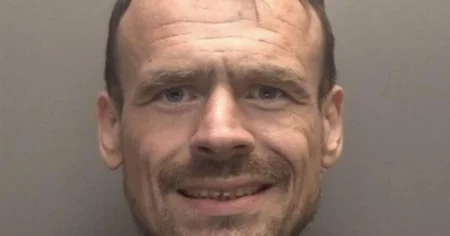
The immediate aftermath of the fire was one of frantic rescue and heartbreak. As firefighters battled the intense heat and flames, eight additional people were pulled from the property and rushed to local hospitals, their injuries ranging from smoke inhalation to severe burns. Among them, a 40-year-old woman was left fighting for her life, her condition described as critical by medical staff. The news of the single fatality cast a long shadow over the neighbourhood, but the revelation that the incident was not a tragic accident sent a chill through the community. The Metropolitan Police, working alongside the London Fire Brigade, swiftly determined that the fire had been started deliberately, culminating in the arrest and subsequent charging of a 34-year-old man, Pawel Kulpa. He was formally charged with the murder of the woman, the attempted murder of others, and one count of arson with intent to endanger life, charges that speak to a level of premeditation and malice that is difficult for many to comprehend in the context of their own quiet street.
The legal machinery began to turn quickly, with the Crown Prosecution Service (CPS) taking a central role in building the case against Kulpa. Lisa Ramsarran, Chief Crown Prosecutor for London North, issued a statement confirming the gravity of the situation. “Our prosecutors have worked to establish that there is sufficient evidence to pursue criminal proceedings,” she said, her words carefully measured but carrying immense weight. The statement underscored the collaborative effort between the CPS and the Metropolitan Police, a partnership that would be essential in bringing the case before a judge. The investigation, while resulting in a charge, was far from complete, with prosecutors vowing to continue working alongside police as they pieced together the events that led to such a destructive and devastating act. This official confirmation served as the stark pivot from a tale of tragic loss to one of alleged criminal responsibility, setting the stage for a legal process that would seek justice for the victims and their families.
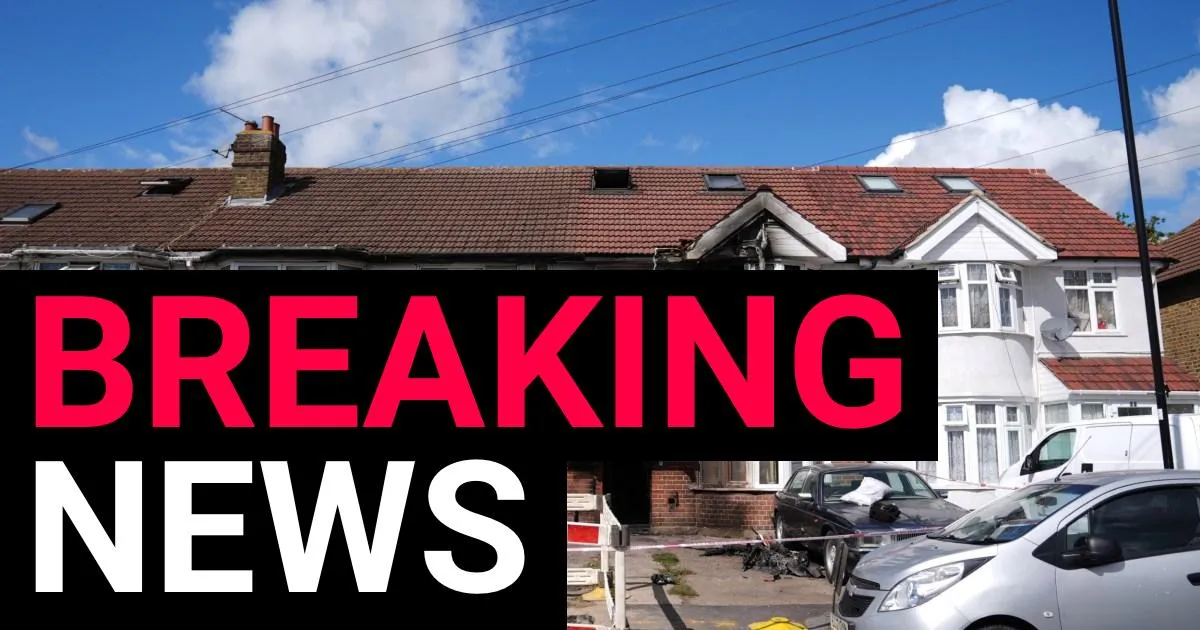
As the investigation continued, the physical scars of the fire became a stark visual reminder of the violence of that night. Photographs from the scene revealed the terraced house severely battered, its exterior coated in black soot and smoke damage. The upstairs eaves were melted by the sheer intensity of the heat, and the windows were shattered, leaving the building looking like a hollowed-out shell. The image was a powerful testament to the ferocity of the blaze and the peril faced by those trapped inside. For the residents of Berkeley Avenue, this was no longer just a story on the news; it was the reality on their doorstep. The curiosity of onlookers was tempered by a deep sense of unease as they stood before the blackened facade, a grim monument to a night of tragedy that had forever altered the character of their community. The sound of the fire, the sight of the flames, and the cries for help were now imprinted on the collective memory of the street.
In the face of such horror, the human spirit’s capacity for courage shone brightly. Neighbours who witnessed the terrifying events spoke of their helplessness and fear, but also of remarkable acts of heroism. They described the flames as “very strong” and recalled the harrowing sound of screaming emanating from the house. In the midst of this panic, one man, Satwant Singh, became a local hero. Without a second thought for his own safety, he ran towards the burning building, armed with his garden hosepipe, in a desperate attempt to battle the flames and assist the firefighters as they arrived. His actions, along with others who rushed to pull people from windows, were praised as nothing short of legendary. “People were real heroes, my neighbour who ran out with his hosepipe was so quick thinking, an absolute legend,” one local recounted, their voice filled with admiration. “They ran towards the fire. He was spraying water on the flames. They were pulling people out of a window downstairs. It was very frightening and these people saved lives for sure. They ran towards the danger.” This spontaneous bravery served as a poignant counterpoint to the dark nature of the alleged crime, highlighting the best of humanity in the worst of circumstances.
As the community begins the long process of healing, the focus will inevitably shift to the courtroom, where Pawel Kulpa is scheduled to appear at Willesden Magistrates’ Court. The legal proceedings will undoubtedly be complex and harrowing for the survivors and the families of the victims, as they are forced to relive the trauma of that night. The charge of murder signifies that the authorities believe the fire was not a random act but a targeted and deliberate act of violence, adding an extra layer of anguish for those affected. For now, the street in Hounslow remains in a state of quiet mourning, a place where the memory of that terrifying night will linger for years. The story is one of devastating loss and critical injury, but it is also a story of swift justice, unyielding investigation, and the incredible bravery of ordinary people who became heroes in a moment of crisis. The road ahead will be long, filled with legal battles and the struggle to come to terms with the senseless destruction, but the resilience of the community, bolstered by the courage of its members, will be its greatest strength in the face of such profound tragedy.