

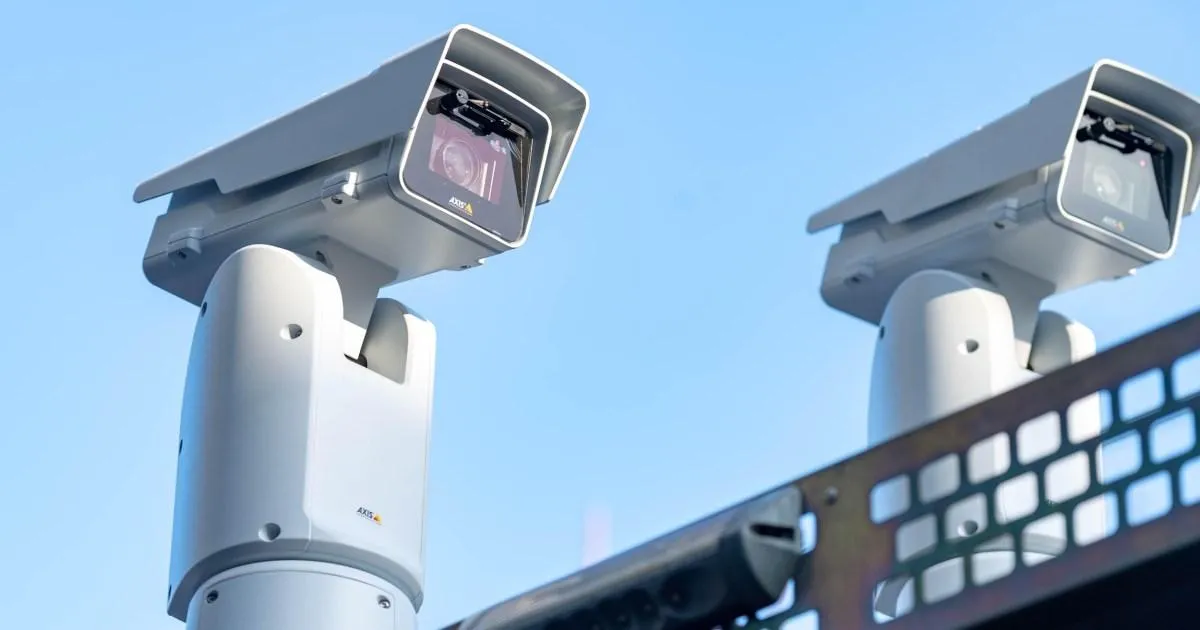
Transport for London (TfL) has officially launched a trial of live facial recognition (LFR) technology within its underground network, beginning with a deployment at Victoria station. The initiative is framed as a security measure designed to assist the British Transport Police (BTP) in identifying and apprehending “high-harm” offenders, specifically those wanted for serious crimes like robbery, knife offences, and sexual assault. By cross-referencing live camera feeds against police watchlists, the authorities hope to intervene early and improve safety across the transport network. TfL has provided assurances that any footage of individuals who do not trigger a match is deleted immediately, aiming to balance public safety with data privacy.
The rhetoric behind this rollout is heavily focused on creating a safer, more welcoming environment for all passengers, particularly women and girls, who the network is striving to protect from harassment and violence. Siwan Hayward, TfL’s director of security and enforcement, emphasizes that this technology acts as a vital tool for the police to act quickly against individuals who pose a clear and present danger to the public. By using “intelligence-led” deployments, the BTP intends to focus resources on specific targets, such as those violating bail conditions or individuals known to be linked to recurring criminal activity, rather than performing mass surveillance for minor infractions.
However, the transition from theory to practice has been met with intense scrutiny from civil liberties advocates. Critics, most notably the campaign group Big Brother Watch, have labeled the system “dystopian” and “disturbing,” arguing that it effectively treats every commuter as a potential suspect. There is a profound concern that such pervasive surveillance—which is increasingly appearing in supermarkets and public spaces—signals a departure from traditional democratic policing. Critics argue that subjecting millions of innocent, everyday travelers to high-tech facial scanning in their daily commute creates an atmosphere of anxiety and undermines the fundamental right to privacy in a free society.
The effectiveness of this technology is also under a microscope due to a underwhelming track record during previous testing phases. A six-month pilot at London Bridge station reportedly scanned over 530,000 faces but resulted in zero true matches and zero arrests. More concerning to the public are the potential for “false positives,” where the software incorrectly identifies an innocent person as a criminal. A recent incident at a Sainsbury’s store involving a man named Warren Rajah, who was publicly escorted out after being misidentified by similar software, highlights the human cost of these technical errors. The incident sparked a debate about whether staff are adequately trained to interpret, or perhaps blindly trust, the technology’s automated alerts.
As the BTP expands these trials into the unique, high-traffic environment of the London Underground, they claim they are merely refining their approach to modern policing. Chief Superintendent Chris Casey suggests that the underground presents a specific, different challenge, and this trial is an opportunity to see how the system performs in a bustling transit hub. TfL is attempting to mitigate the public backlash by implementing clear signage and providing “alternative routes” through stations, essentially offering passengers a choice to opt out of passing through the camera’s gaze if they feel uncomfortable with the surveillance.
Ultimately, the debate remains a tug-of-war between the promise of technological security and the preservation of personal anonymity. While the police view LFR as a necessary evolution in fighting serious crime, the public remains deeply divided. The fear of being misidentified, combined with the psychological weight of constant monitoring, suggests that the success of this program will depend not just on the software’s accuracy, but on whether the authorities can convince a skeptical public that their security is worth the erosion of their privacy. As the trial continues, Londoners are left to decide whether they are entering a new era of safety or a future where the right to travel anonymously is a thing of the past.