


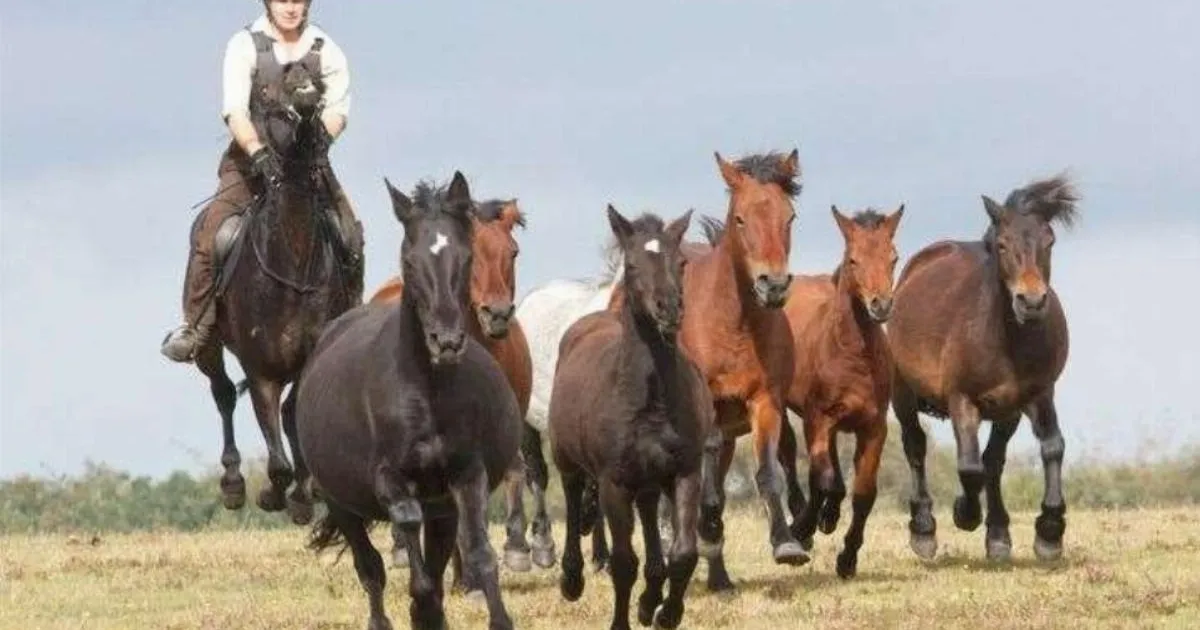
The idyllic landscapes of the New Forest, usually a haven for nature lovers and a sanctuary for its iconic free-roaming ponies, are currently facing a heartbreaking crisis. An aggressive and highly contagious outbreak of equine flu has swept through these historic woodlands with devastating speed. What began as a localized concern in the Woodgreen area has rapidly spiraled into a widespread emergency, infecting a significant number of ponies and donkeys across the northern regions, extending toward Ashurst, Brockenhurst, and Burley. With the death toll already reaching approximately 35 animals, the scale of this tragedy has left both the local community and conservationists in a state of profound distress.
This sudden resurgence of the virus has caught the forest’s population in a particularly vulnerable position. It has been over three decades since the New Forest last dealt with an outbreak of this magnitude, meaning that the current generation of ponies possesses no natural immunity to the strain. Experts believe this catastrophic chain of events was triggered when a privately owned animal inadvertently introduced the virus to the wild population. Because the disease is primarily airborne but can easily be transmitted through physical contact or shared resources, the virus has moved through the herds with alarming efficiency, leaving behind a trail of sick and struggling animals.
In response to the escalating situation, the verderers—the officials responsible for managing the forest’s livestock—have made the difficult but necessary decision to cancel the traditional August “drifts.” These ancient, communal roundups, which serve as essential opportunities for health checks and welfare management, will remain on hold indefinitely. The fate of the autumn drifts currently hangs in the balance, with future decisions being dictated entirely by the progression of the virus. Officials are urging patience and cooperation, emphasizing that all choices regarding these gatherings are being made with the primary goal of stopping the contagion from claiming more lives.
For those who call the New Forest home or visit its trails, the priority now is to minimize any potential interference that might exacerbate the outbreak. The official guidance from veterinarians is firm: sick ponies should be left exactly where they are. Moving them causes additional, unnecessary stress to weakened animals and risks spreading the flu into unaffected areas of the forest. The public is being urged to observe these animals from a distance. If you are walking your dog, riding a horse, or simply enjoying the scenery, giving the herds a wide berth is not just a polite request—it is a vital measure to prevent further transmission of a virus that can lead to severe, life-threatening complications like bronchitis and pneumonia.
The impact of this outbreak stretches beyond the wild herds to affect everything from human interaction with the outdoors to regional events. Residents and day-trippers are specifically being reminded to refrain from leaving water buckets out for the ponies; while the gesture is undoubtedly rooted in kindness, shared water sources act as transmission hubs for the virus. Officials have reiterated that the forest’s natural water sources and established troughs are perfectly sufficient for the animals. Furthermore, the gravity of the situation has prompted organizers of upcoming local gatherings, such as the New Forest Show, to implement significantly stricter biosecurity measures to ensure that the infection does not jump to domesticated animals arriving for competition or exhibition.
As the community navigates this difficult period, the atmosphere in the New Forest is one of somber vigilance. The verderers and veterinary teams are working tirelessly around the clock to monitor the situation, seeking to contain the virus while hoping the worst of the outbreak has passed. For the families who have lived alongside these ponies for generations, the sight of the forest during this time is a painful reminder of how fragile our connection with nature truly is. By following expert advice—keeping our distance, avoiding communal water, and supporting the decision to pause traditional gatherings—everyone can play a crucial part in helping the New Forest’s legendary pony population recover and eventually return to their peaceful, wandering ways.