

England is currently sweltering under a heatwave that makes the Mediterranean islands look mild by comparison. As temperatures across the South East climb toward a blistering 35°C, many of us are finding it difficult to reconcile our typically temperate climate with these sudden, extreme highs. From London to the East Midlands, the mercury is soaring into the 30s, leaving much of the country feeling as though we have been transported to the heart of Greece. While this brief peak in heat is set to be the climax of the current spell, the reality of the situation is that most of the country remains under urgent health alerts, struggling to cope with the relentless sunshine.
The human cost of this weather cannot be ignored, and the UK Health Security Agency has been clear about the risks involved. With amber and yellow warnings blanketed across nearly every region except the North East, officials are bracing for a potential rise in fatalities. It is a sobering reminder that our infrastructure—hospitals, care homes, and even the power grid—was not designed for this kind of thermal intensity. There is a very real danger that our services could face significant strain, and as we look for ways to stay cool, we are also reminded of the secondary risks, such as the uptick in water-related accidents and the threat of localized power outages as demand for cooling skyrockets.
For many of us, the heat is becoming physically and mentally draining. Forecasters from the Met Office suggest that while the peak is occurring today, the cooling-down process will be a gradual, multi-day affair. Even as we head into mid-week, temperatures will linger in the high 20s, offering little immediate relief to those working outdoors or living in homes that trap the heat. There is a sense of collective exhaustion as we navigate these soaring numbers; even the thought of the high teens and low 20s promised for the North feels like a distant, refreshing dream for those of us caught in the humid, stagnant air of the South.
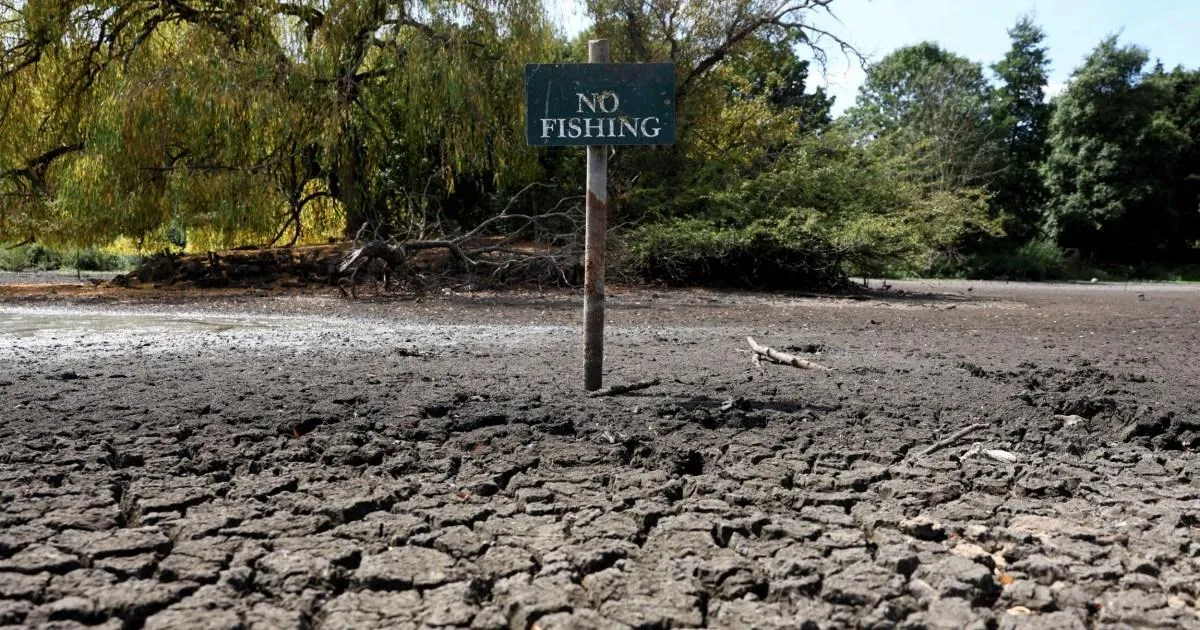
Beyond the discomfort, the environmental impact of this summer has been profound. We are living through the aftermath of the driest July in 190 years, with a mere 5.6mm of rainfall across England—shattering previous records from over a century ago. This bone-dry landscape is why so much of the country is now officially in a state of drought. We’ve watched as our parks turned from vibrant greens to parched, straw-like browns, and we’ve seen the distressing sight of wildfires breaking out across the countryside. It is a stark visual testament to the fact that our environment is currently under immense stress, waiting for a reprieve that feels like it may never truly arrive.
While a change is on the horizon, it is arriving in a fragmented way. Scotland, Wales, and Northern Ireland are expected to see significant rainfall, with some areas potentially facing thunderstorms and weather warnings. In contrast, most of England remains in a “splash zone” of uncertainty, with only sporadic showers forecast to break the humidity by Thursday. It is a strange irony that while the North experiences a drenching, the rest of us continue to watch the sky, hoping for a downpour that could finally signal the end of this long, dry ordeal and provide the earth with the moisture it so desperately needs to recover.
In the meantime, the advice from health experts remains the same, though it can feel repetitive as the days drag on. Staying hydrated, staying out of the direct sun during the peak hours of the day, and keeping our living spaces as cool as possible are the essential, if simple, survival strategies we must employ. We are being asked to look out for the elderly and the vulnerable among us, who are the most at risk during these prolonged spells of heat. As we wait for the temperatures to drop and the autumn cycle to eventually take hold, we are reminded that our resilience depends on looking after one another, ensuring that we navigate these challenging climate shifts with as much caution and community spirit as possible.