


As a fierce and unprecedented heat dome settles over Western Europe, the United Kingdom is bracing for temperatures that are projected to shatter historical records. The mercury is climbing toward an astonishing 40C, a level of sweltering heat that threatens to eclipse even the historic June highs of 1976. In response to these extreme conditions, a significant portion of the country’s educational infrastructure is hitting a pause button. Across counties such as Somerset, Oxfordshire, Hampshire, and Buckinghamshire, hundreds of schools are implementing emergency measures, ranging from early dismissal policies to full, multi-day closures, all aimed at protecting the health of students and staff.
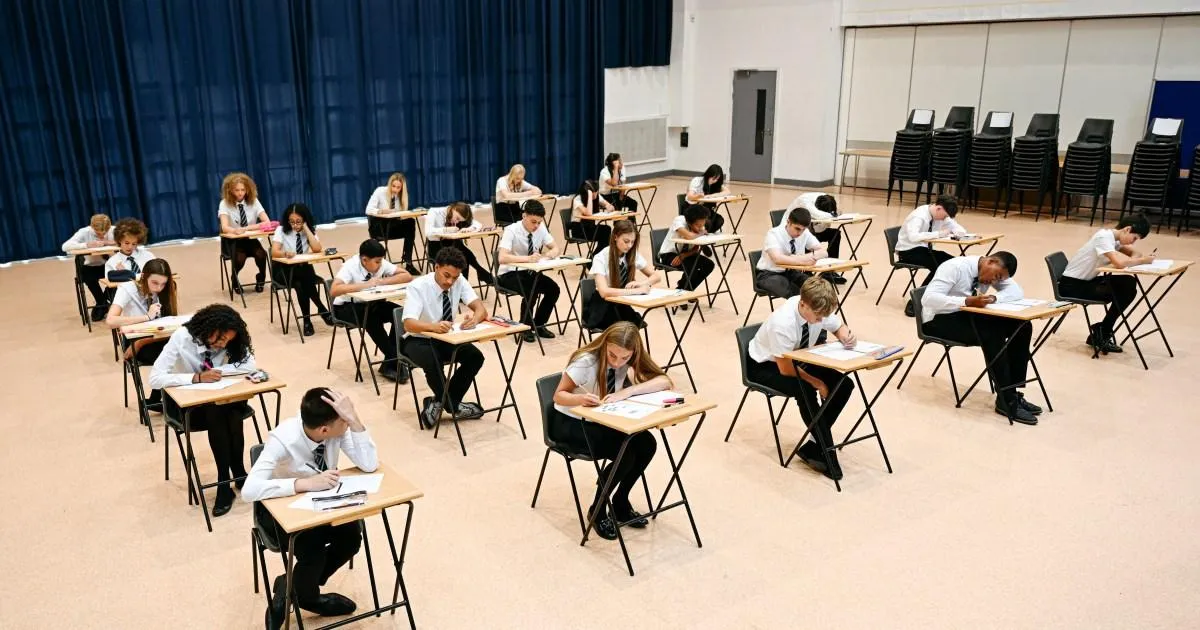
For many educational leaders, the decision to close has been driven by a simple, unavoidable reality: many school buildings are relics of an era that never anticipated this level of climatic stress. Without functional air conditioning, classrooms in these historic structures can quickly turn into literal ovens, creating a hazardous environment for young children and staff alike. Furthermore, authorities have voiced deep concern regarding the dangers of the daily commute, fearing that the risks associated with traveling in such oppressive heat simply outweigh the benefits of being in the classroom. As the Extend Learning Academies Network noted in a message to parents, the safety and well-being of the school community remain the primary focus amidst these unprecedented logistical disruptions.
The scale of the situation is reflected in the sheer volume of institutions altering their calendars. In London, institutions like Sydenham School and Ealing’s Fielding Primary are curtailing their hours, while hundreds of schools across the Southwest and Wales have shuttered completely for the duration of the heatwave. Academies and community colleges that would normally be buzzing with activity have pivoted to remote learning or partial shut-downs to ensure that no child or staff member is placed in harm’s way. While these adjustments undoubtedly cause a temporary inconvenience for working families, they represent a necessary adaptation to a changing climate that is increasingly testing the resilience of our public services.
The reaction to these widespread closures has sparked a broader conversation about school infrastructure and the rights of those within the educational system. The GMB union has been particularly vocal, emphasizing that neither staff nor pupils should be expected to function in hazardous temperatures. Proponents, including the NAHT and NASUWT unions, are now lobbying for more permanent, systemic changes, such as the modernization of old buildings and the establishment of a legally enforceable maximum classroom temperature. They argue that as heatwaves become more regular, the government can no longer rely on sporadic “emergency” measures; instead, schools require long-term investment to remain safe learning environments regardless of the external forecast.
Despite the mounting pressure, the Department for Education has maintained a somewhat rigid stance, stating that full school closures are not typically advised. The government maintains that keeping doors open is technically the best way for pupils to reach their academic potential. Even so, they have acknowledged the severity of this particular event, advising administrators to take any sensible steps necessary to keep children comfortable during the day. This has left school leaders in a difficult position, forced to balance the government’s official desire for attendance against the immediate, tangible danger of the heatwaves and the lack of proper facilities to cool their classrooms.
Ultimately, this week serves as a stark reminder of the intersection between climate change and public infrastructure. While the immediate concerns—water breaks, relaxed uniforms, and earlier pick-up times—are temporary, the growing call for modernized classrooms reflects a new, hotter reality we must face. As parents navigate the sudden shifts in childcare and students find themselves at home, the nationwide conversation has moved beyond simply surviving this specific week. It has blossomed into a debate about how we prepare the next generation for a future where high-heat events are no longer an anomaly, but a standard feature of the British summer.