


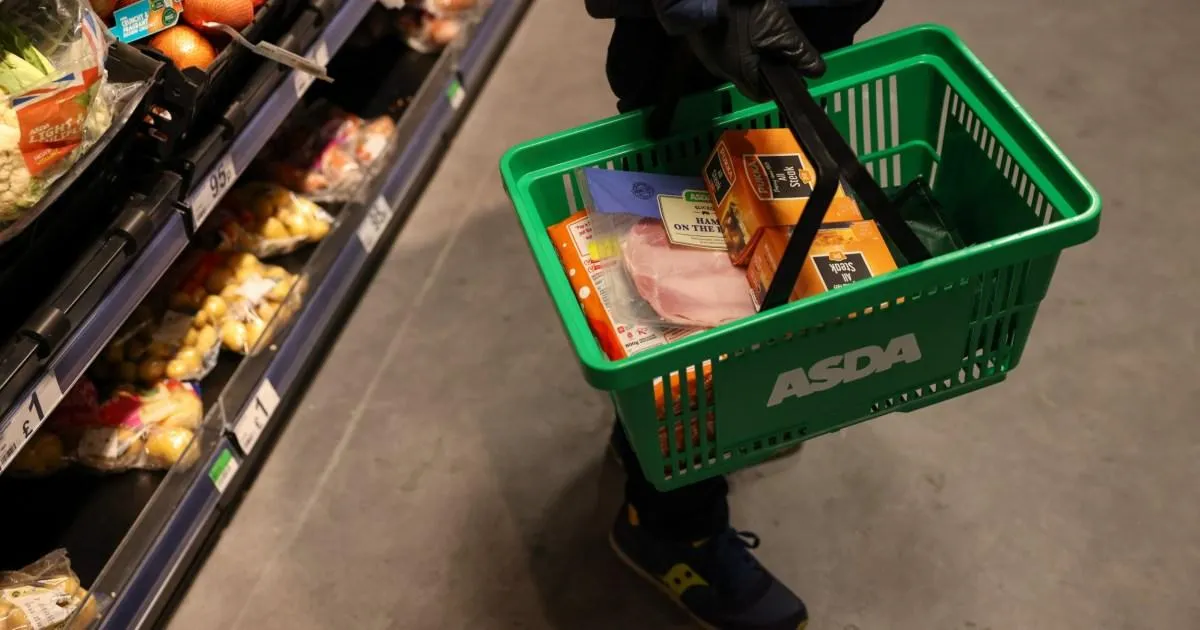
It is always unsettling to think that something as simple and healthy as a pre-packaged fruit pot could pose a threat to your well-being. Recently, a major safety recall was issued across the United Kingdom after routine testing revealed that specific batches of apple and kiwi-based fruit pots were contaminated with salmonella. This news affects shoppers who frequent the country’s leading supermarkets, including Tesco, Sainsbury’s, M&S, Waitrose, Morrisons, and ASDA. Distilled from the efforts of the distributor, Prepworld, the recall spans 13 different fruit products, all of which carried best-before or use-by dates of June 23 or June 24.
For those of us who rely on these convenient grab-and-go snacks to fuel a busy workday or grab a quick healthy bite for our families, this news serves as a stark reminder of the importance of checking our fridge contents. If you have purchased any fruit snack pots recently, it is vital to double-check the labels immediately. Please do not consume these products; even if they look and smell perfectly normal, the risk of bacterial contamination is not something to take lightly. The supermarkets involved are taking this very seriously and are working to ensure that any potentially harmful stock is pulled from shelves globally.
Understanding the potential impact of salmonella is key to staying safe. An infection is typically characterized by distinct, uncomfortable symptoms, including sudden fever, stomach cramping, and diarrhea. In more severe cases, individuals may experience nausea, vomiting, chills, persistent headaches, or even the presence of blood in their stool. Because these symptoms can quickly lead to exhaustion and severe dehydration, it is essential to monitor yourself closely if you suspect you may have consumed a tainted product. If you do fall ill, reaching out to a medical professional is always the wisest course of action to ensure a safe recovery.
The response from the retailers has been swift and consumer-focused, aiming to remove the friction from the recall process. Whether you are a regular shopper at ASDA, Tesco, or M&S, these stores have made it clear that you do not need to worry about tracking down an old receipt to get your money back. In an effort to prioritize public health over administrative hurdles, most of these retailers are offering full refunds for the affected products upon return to any of their store locations. You will likely see notices posted at the entrances or near the produce sections of these stores, keeping everyone informed of the specific items included in this withdrawal.
To protect yourself and your household, it is a good idea to cross-reference your groceries against the specific list of recalled items provided by the retailers. The list includes a variety of combinations—such as Tesco’s melon, kiwi, and strawberry pots, various Pink Lady apple slices from M&S, and several medley packs from Sainsbury’s and Morrisons. By taking a few moments to clear out your refrigerator and verify these dates, you can protect your family from an unpleasant and potentially dangerous illness. It is always better to be cautious and discard these items than to risk the health of those you care about.
At its core, this situation highlights the interconnected nature of our food supply and the necessity of proactive safety warnings. While it is certainly a nuisance to empty the fridge and head back to the store, these measures are the primary defense we have against foodborne pathogens. As we move past this recall, staying informed through official news updates and keeping an eye on store-issued safety notices remains the best way to handle these rare but significant health alerts. If you have any remaining questions about the specific products you purchased, please do not hesitate to contact the customer service lines provided by your local supermarket.