
There is a stinging irony in the climate crisis that arrived in London this week: a high-profile academic conference dedicated to the study of extreme heat was abruptly cancelled because of the very phenomenon it was meant to address. The event, hosted by the London School of Economics (LSE) as part of London Climate Action Week, was supposed to foster critical discussions on how global governance can better tackle soaring temperatures. Instead, as the city buckled under a historic red heat warning issued by the Met Office, university organizers had no choice but to pull the plug, proving in the most literal way possible that the infrastructure of our daily lives is beginning to succumb to the changing climate.
The conference, titled “Extreme Heat: Improving governance and strengthening action around the world,” was intended to be a poignant platform. It was slated to feature the inaugural presentation of the Adeline Stuart-Watt Award, an honor established to celebrate the legacy of a brilliant policy fellow who dedicated her career to the Grantham Research Institute on Climate Change. Beyond the awarding ceremony, the agenda promised rigorous dialogue about building resilience and managing heat-related risks on a global scale. Yet, the “fireside chat” discussions on climate governance never took place, leaving a haunting silence in the lecture hall that spoke louder than any keynote speech could have.
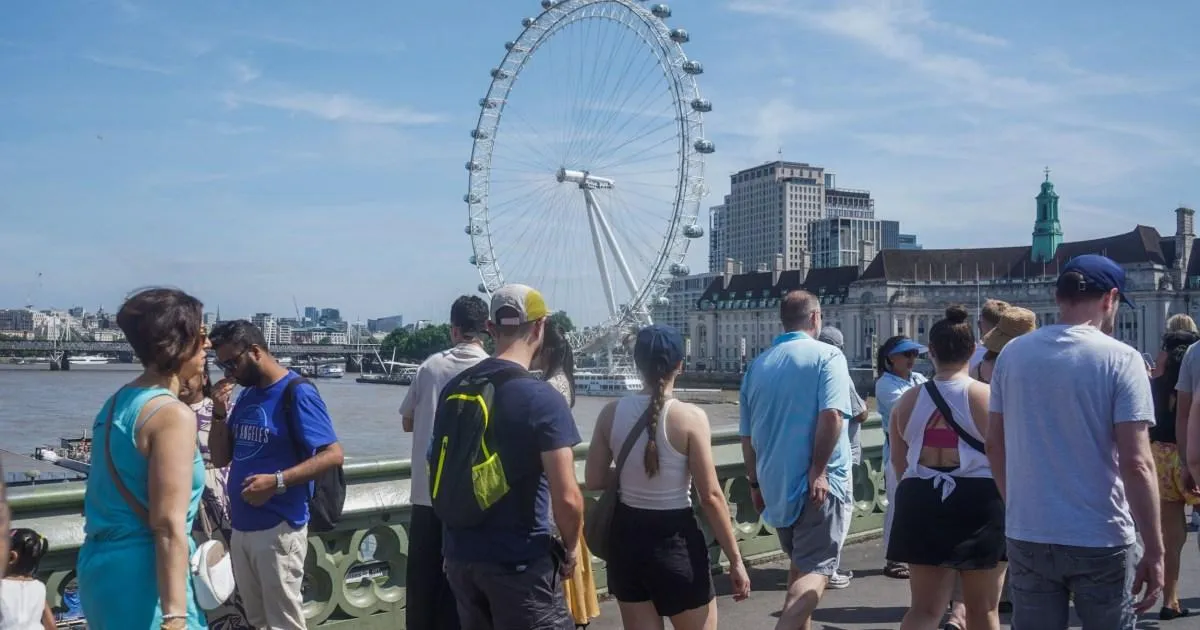
This cancellation serves as a vivid microcosm of the UK’s broader struggle during this record-breaking summer. With temperatures surging past 35.7°C, the country has found itself in the grip of a meteorological event so severe that the Met Office felt compelled to issue a red warning—only the second of its kind in British history. This “exceptional spell” of hot and humid weather is not an isolated incident; it is a brutal reminder that the environmental realities predicted by scientists for decades are no longer distant threats. The heat has moved beyond a nuisance to become an active disruptor of the public order, straining the limits of what a nation built for temperate weather can withstand.
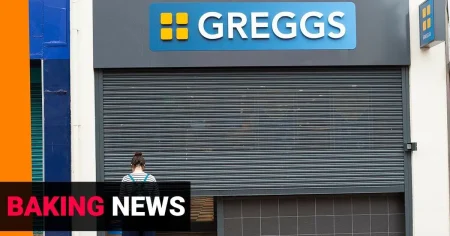
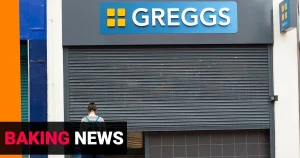
The cascading effects of this heatwave have been felt in every corner of public life. It is not just universities closing their doors; schools have sent thousands of children home, transportation networks have warned commuters to stay off the rails, and even high-street staples like Greggs have shuttered their shops to protect their staff and customers from the stifling conditions. As the asphalt softens underfoot and the air hangs heavy and stagnant, the fragility of our modern social fabric becomes clear. The transition from “business as usual” to “system-wide shutdown” is happening with alarming speed, forcing a collective rethink of how we navigate a world that is fundamentally getting hotter.
Behind the scenes of these closures, experts like Jim Dale are warning that these heatwaves are no longer statistical outliers, but a recurring feature of our new climate reality. While the UK has faced hot summers before, the frequency with which we are shattering temperature records is statistically staggering. When looking at the data from the last century, nearly all of the highest temperature marks have been set within the past two decades. The dots are not just appearing on the graph; they are forming a pattern that reveals a planet in distress. The warning is clear: without radical shifts, we are looking at a future where “boiling over” becomes the new normal for our cities and our health.
Ultimately, the LSE conference incident is a poignant lesson in humility. It reminds us that no amount of planning or policy-making can override the basic physical limits of the human body and the structures we inhabit. As we move forward, the challenge will be to translate the urgency of these cancelled talks into real-world adaptation. We are currently living through a trial by fire, and the lesson of this scorching week is that our society must evolve quickly—not just to study the climate, but to survive it. The heat may have cleared the streets and darkened the classrooms this time, but the need for serious, unified action has never been more illuminated by the sun.