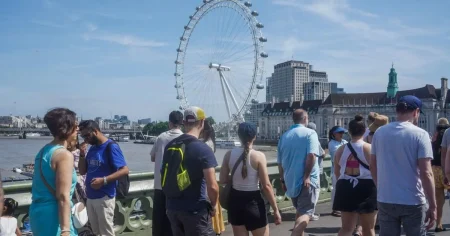
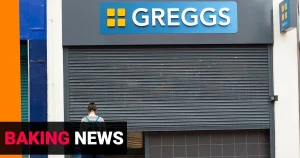

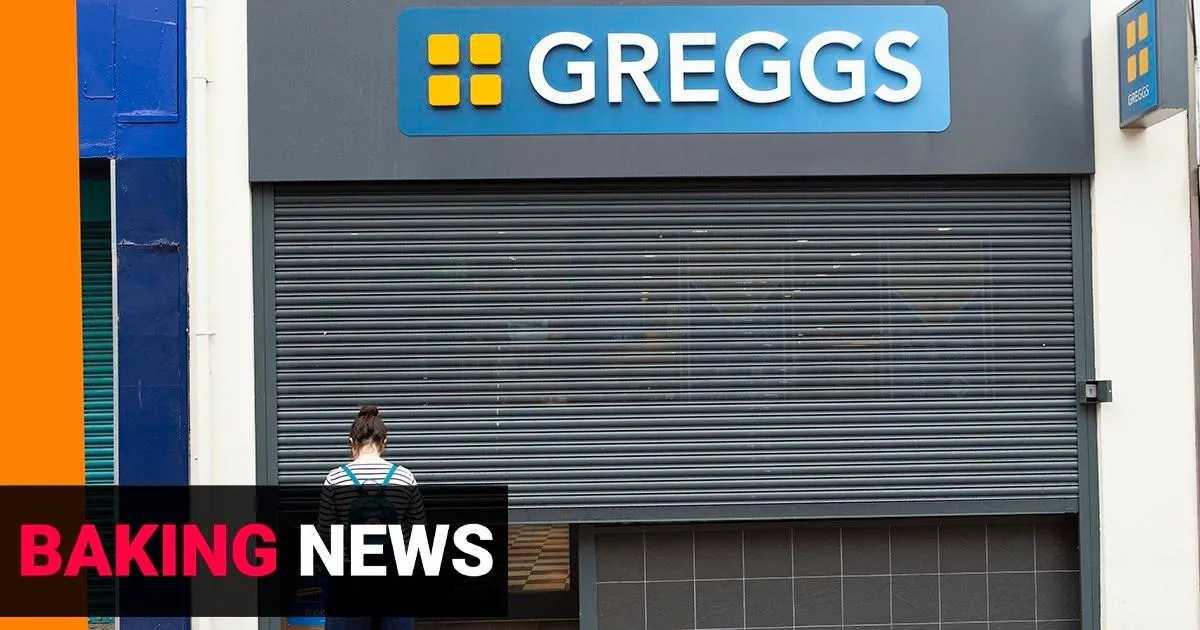
The United Kingdom is currently experiencing a historic and sweltering heatwave, pushing the country into uncharted meteorological territory. As temperatures climb toward an unprecedented 38°C, the nation is feeling the visceral impact of extreme weather on daily life. In a move that highlights the severity of the situation, the beloved high-street bakery chain Greggs has made the difficult decision to shutter 11 of its locations across the country. From London’s Leicester Square to shops in Wolverhampton and Luton, these closures reflect a growing recognition that business as usual simply isn’t possible when the mercury hits such dangerous heights.
For Greggs, the decision was driven by a fundamental priority: the health and well-being of their staff and customers. By temporarily closing these specific branches on Wednesday and Thursday, the company is shielding employees from the stifling conditions inside kitchens and storefronts that aren’t equipped to handle this level of heat. It is a striking example of a major retailer choosing human comfort over routine commerce, acknowledging that when a heat dome settles over Europe, the standard expectations for service can no longer apply. Management expects these doors to swing open again by Friday, once the most intense humidity begins to lift.
Across the broader landscape, the United Kingdom is struggling to adapt to conditions that feel increasingly alien to its temperate climate. The Met Office has warned that we are on the precipice of shattering the long-standing June temperature record of 35.6°C, set during the iconic summer of 1976. Experts emphasize that this isn’t merely a freak weather event; it is a clear consequence of human-driven climate change. As heatwaves become more frequent and more intense, the reality of “extreme” weather is fast becoming an inescapable feature of the British summer, forcing a societal shift in how we handle, plan for, and survive the heat.
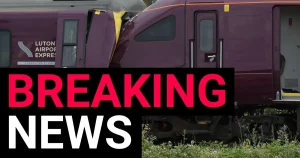
The ripple effects of this heatwave are being felt in every corner of public life. With over 1,000 schools and nurseries across England and Wales forced to close or operate on reduced schedules, parents and educators are left scrambling. Those institutions that have remained open are implementing emergency measures: relaxing strict uniform codes, finishing classes early, and urging students to stay hydrated. Meanwhile, public transport is buckling under the pressure—train cancellations and delays have become widespread as tracks strain under the expansion caused by the sun’s relentless rays. It is a stark reminder that the country’s infrastructure was built for damp, temperate weather, not for the scorching aridness of a continental heat dome.
Beyond the logistical headaches, there is a mounting humanitarian concern and political pressure to act. Health officials are pleading with the public to stay indoors, keep curtains drawn, and maintain steady hydration, but critics are now demanding that the Government take more substantive, long-term action. There are urgent calls for significant investments in cooling infrastructure for our most vulnerable public spaces, including hospitals, care homes, and schools. If these temperatures are indeed the “new normal,” then the design of our public buildings must evolve to ensure our elderly and our children are not left to suffer in the stifling, sun-baked environments that our current architecture often creates.
Ultimately, this week of heat serves as a sobering wakeup call for a nation coming to terms with a changing planet. While the temporary absence of a sausage roll might seem like a small inconvenience, the shuttered windows of our local shops are symbols of a much larger transition. We are living through a period where the traditional British summer is being rewritten in real-time. As we navigate the current record-breaking highs, the focus remains on keeping each other safe, checking on neighbors, and acknowledging that while the heat might be temporary, the need for a more resilient and prepared society is here to stay.