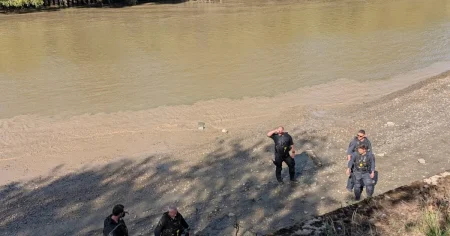


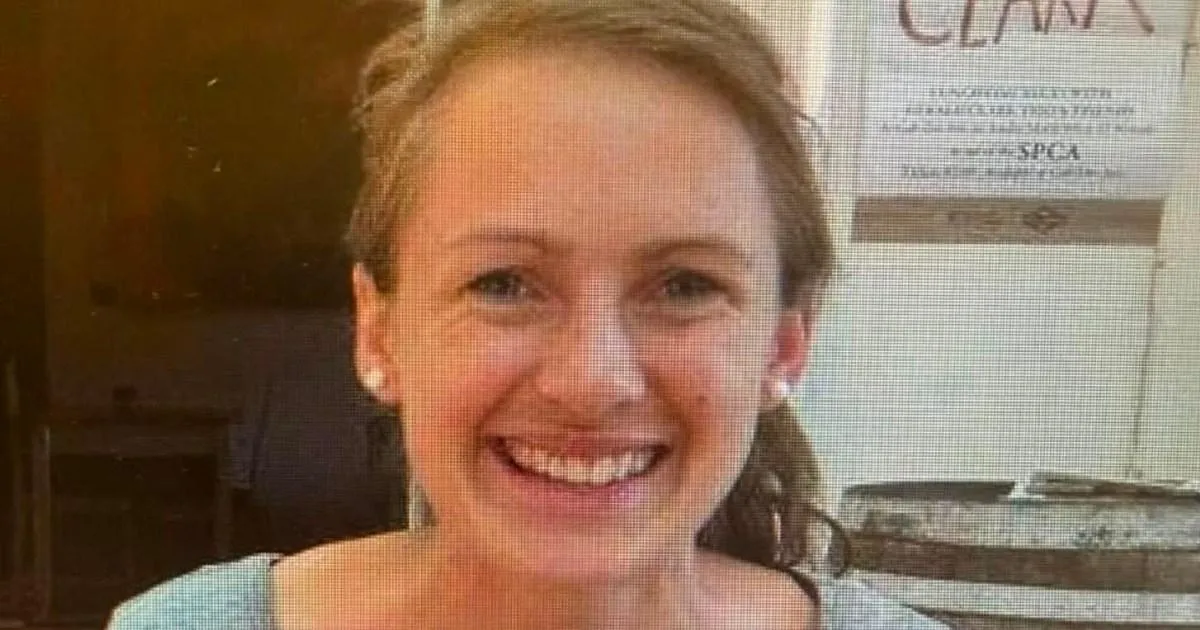
The tragic discovery of 38-year-old Elisabeth Jane Ross in the Kypseli district of Athens has left her family in Scotland devastated and sent shockwaves through the local community. Elisabeth, who had traveled from the United States to Greece on June 29 to visit friends, was found under harrowing circumstances this past Saturday. Her body was discovered by a homeless individual who had been drawn to an abandoned building by a foul odor, only to make the grisly realization that a human limb was protruding from a discarded suitcase. This horrific scene has marked the beginning of a complex murder investigation, as Greek authorities now work to piece together the final days of a woman who was seemingly lured into a trap.
What makes this crime particularly chilling is the calculated deception employed by those responsible. In the days following her presumed death on July 15, Elisabeth’s family received text messages from her phone claiming that she simply “needed some time to herself” and wanted to be left alone. Investigators, however, have dismantled this narrative, pointing to these messages as a cold-blooded attempt by her killers to buy time and delay panic. Even as news of her death reached the public, the phone remained active, suggesting a sustained effort to maintain the illusion that Elisabeth was still alive and choosing to isolate herself from those who loved her most.
Forensic experts and detectives are currently focusing on the suitcase itself, which has become a primary piece of evidence. Crucially, authorities have confirmed that the luggage did not belong to Elisabeth, as she had reportedly arrived in Greece without any large bags. This discrepancy is a vital lead; police believe the killers brought the container to the scene, increasing the likelihood that they left behind critical forensic traces. By meticulously analyzing the suitcase for DNA, fingerprints, and other biological material, investigators hope to identify the perpetrators who staged this brutal scene and attempted to hide their tracks through digital manipulation.
The investigation into Elisabeth’s last known movements is now spanning international borders, with local Athenian police working in close coordination with Scottish law enforcement. Because a British citizen was the victim of a violent crime abroad, there is a intense, collaborative effort to reconstruct who Elisabeth met, where she went after leaving her friends’ residence, and how she ended up inside a vacant, dilapidated building in Kypseli. The motive remains under investigation, but the cold, clinical nature of the cover-up suggests that the individual or individuals involved were desperate to prevent anyone from looking for her until they had made their escape.
News of the tragedy has rippled back to the United Kingdom, where Police Scotland and the Foreign, Commonwealth and Development Office (FCDO) are providing support to her grieving family. A spokesperson for Police Scotland confirmed they are liaising directly with their Greek counterparts to ensure that all necessary information is shared and that the family is kept informed as the legal process unfolds. For the relatives left behind, the sorrow is compounded by the knowledge that their loved one’s final moments were likely marked by betrayal and that her identity was used against them in empty, manipulative text messages long after she was gone.
As the authorities in Athens continue their search for justice, the case serves as a dark reminder of the vulnerabilities faced by travelers abroad. The focus of the case now shifts entirely to the technological and physical evidence left behind by the killers. With the phone still missing and the search for suspects underway, detectives are hopeful that the forensic leads found at the scene will soon provide the breakthrough needed to bring those responsible to account. For now, the story of Elisabeth Jane Ross remains a cautionary, heartbreaking tale of a life cut short by someone who thought they could cover their tracks with a lie.