

The Shadow of Doubt: A Mother’s Question About Lucy Letby’s Hospital
The story of Lucy Letby, the neonatal nurse convicted of murdering seven babies and attempting to murder seven others at the Countess of Chester Hospital, continues to cast a long and troubling shadow over the institution where these horrific crimes occurred. Now, a new claim has emerged that adds another layer of complexity to an already devastating narrative. A mother named Annalise McClements has come forward with a heartbreaking account of her own son’s death at the same hospital, raising troubling questions about whether the conditions on the ward may have contributed to other infant deaths that have been attributed to natural causes. Her son, Archie McClements, was born at the Countess of Chester Hospital six months after Letby had been suspended from her nursing duties and moved into an administrative role following a series of suspicious deaths and collapses among newborns. The timing of Archie’s birth and subsequent death raises profound questions about whether the hospital’s problems extended beyond the actions of one individual.
Archie’s story begins with what should have been a routine birth but quickly turned into a nightmare for his young mother. He contracted enterovirus, an illness that spreads through contact with mucus, saliva, fecal matter, or contaminated water, and collapsed while still at the Countess of Chester Hospital. He was quickly transferred to a specialist unit in Manchester, but tragically, he died in December 2016. Ms. McClements was initially told by hospital staff that her son had likely caught the illness from her during labour, a claim that she now disputes with considerable anger and skepticism. She has come forward to share her story because she believes the hospital may have been covering up sanitation problems that could have contributed to her son’s death. Her account paints a picture of a hospital unit that was struggling with basic cleanliness standards, with claims of sewage coming up from the taps and a general atmosphere that did not inspire confidence in the quality of care being provided to vulnerable newborns.
The mother’s allegations are particularly significant because they suggest that the problems at the Countess of Chester Hospital may have been more systemic than simply one nurse’s criminal actions. Ms. McClements has stated that the neonatal unit was known to have sewage problems, with water contaminated by waste materials coming through the plumbing system. She described the unit as lacking the cleanliness one would expect from a modern hospital, and she also claimed that the ward appeared to be understaffed, a factor that has been identified in the broader failings of the hospital’s neonatal services. Her testimony adds to a growing body of evidence that suggests the hospital environment itself may have been hazardous for the vulnerable babies in its care, separate from the deliberate actions of Lucy Letby. The mother’s questioning of whether other babies may have been moved out of the hospital before they died is a particularly poignant and troubling thought, suggesting that the full extent of the harm caused by the hospital’s conditions may never be fully known.
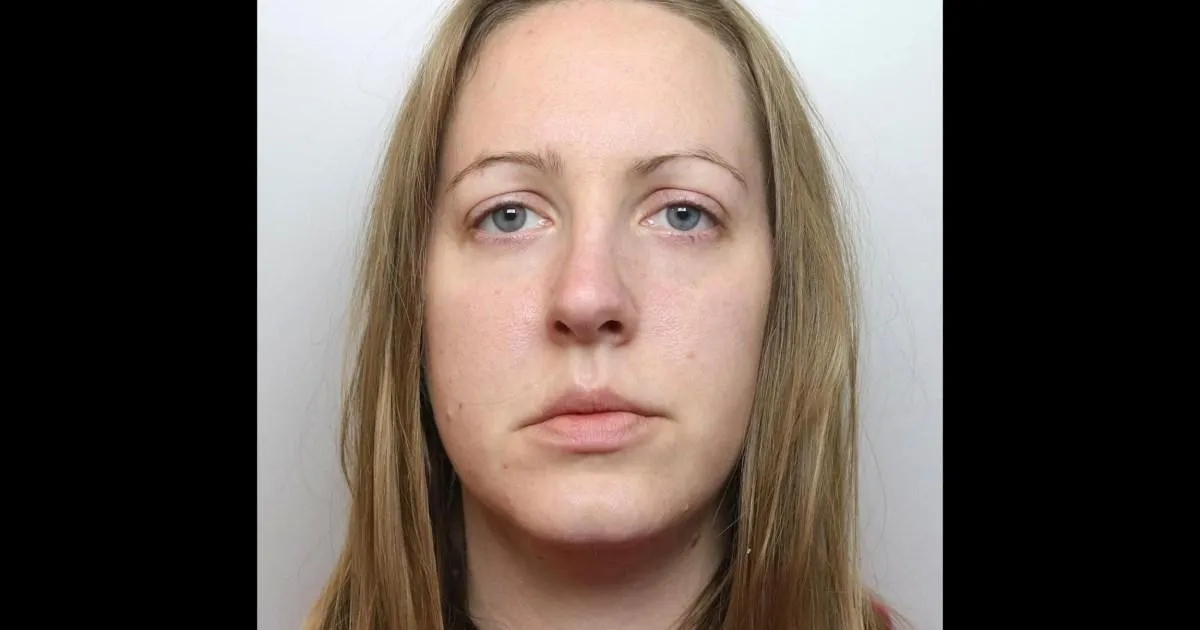
The context of Letby’s crimes is essential to understanding the significance of Ms. McClements’s claims. Letby was convicted of the murder of seven babies and the attempted murder of seven others at the Countess of Chester Hospital between 2015 and 2016. She was handed fifteen whole-life prison sentences, a punishment that reflects the severity and cruelty of her crimes, and is currently imprisoned at HMP Bronzefield. During her trial, prosecutors presented a key piece of evidence: that the suspicious deaths and collapses of newborns had stopped after Letby was removed from the ward. This temporal correlation was used to build the case against her, suggesting that she was the common factor in these tragic events. However, the emergence of new claims about hospital sanitation issues raises the possibility that not all of the harm that occurred on that ward was directly attributable to Letby’s actions, and that the hospital’s own failures may have contributed to a broader pattern of infant mortality and illness.
The broader context of the hospital’s failings has been examined through a public inquiry that concluded last week, which found that three of the babies who died could have been saved if consultants and hospital managers had acted sooner. The Thirlwall Inquiry, as it is known, also found that seven other non-fatal attacks had been made possible by repeated mistakes and failings by organisations and individuals. These findings paint a picture of a hospital that was failing on multiple levels, from individual criminal acts to systemic institutional failures. The inquiry’s conclusions suggest that the tragedy of what occurred at the Countess of Chester Hospital cannot be attributed solely to Lucy Letby, but must be understood as the result of a complex web of failures that included inadequate oversight, poor communication, and a failure to act on warning signs. The question that now emerges is whether the focus on Letby’s crimes may have obscured other dangers that were present on the ward, including potential sanitation issues that could have affected vulnerable newborns.
For Ms. McClements, the search for answers about her son’s death has been a long and painful journey. She has expressed her frustration that she was initially blamed for Archie’s infection when she now believes the hospital may have been responsible. Her statement that “it didn’t feel like it had the cleanliness that you’d expect from a hospital” speaks to a broader concern about the standards of care that were being provided to some of the most vulnerable patients in the healthcare system. The fact that she felt the need to question whether other babies may have been moved out of the hospital before they died suggests that she believes the true scale of the problem may be larger than has been officially acknowledged. While it remains unclear exactly how Archie contracted enterovirus, and whether potentially unsanitary hospital conditions were responsible, her story adds an important dimension to the ongoing investigation into what went wrong at the Countess of Chester Hospital.
The Countess of Chester Hospital NHS Foundation Trust has responded to these new claims with a carefully worded statement that acknowledges the significant public interest in these matters while also pointing to the ongoing legal processes. The trust has stated that it is unable to comment on issues that remain subject to an ongoing investigation by Cheshire Police, but it has promised to provide further information about actions taken to strengthen patient safety and governance when it is appropriate to do so. This response reflects the delicate balance that the hospital must strike between protecting its reputation and cooperating with the various investigations that are still ongoing. Meanwhile, the Criminal Cases Review Commission is currently deciding whether Letby’s case should be heard at the Court of Appeal, a process that could potentially overturn or uphold her convictions. The emergence of new evidence about hospital conditions could potentially play a role in these proceedings, though it remains to be seen how the courts will weigh the significance of these claims. What is clear is that the full story of what happened at the Countess of Chester Hospital has not yet been told, and that the pursuit of truth and justice for all the families affected by these tragic events is far from over.