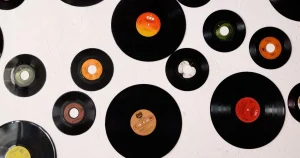


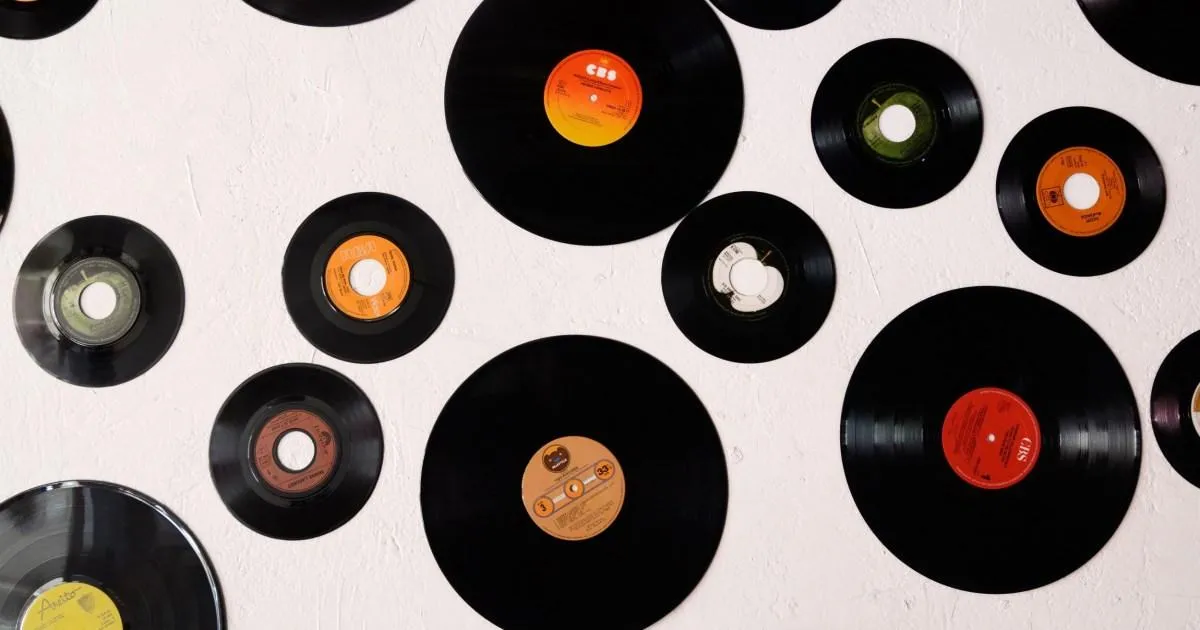
There’s something deeply personal about vinyl. It’s the ritual of pulling a record from its sleeve, lowering the needle, and hearing that soft crackle before the music begins. For a generation raised on streaming, vinyl has become a way to own a piece of an artist’s soul, to hold the artwork in your hands and feel a physical connection to the sound. That’s why the news of Rehan Ahmed’s sprawling counterfeit operation feels like such a betrayal. For over seven years, the 40-year-old from Southall in west London allegedly manufactured and sold thousands of fake records, turning a passion for music into a lucrative and illegal business. When police finally raided his factory in February 2024, they uncovered a scene that shocked even seasoned investigators: a hidden warehouse in Acton, four ancient vinyl presses still humming with work, and stacks upon stacks of counterfeit albums by some of the biggest names in music. The operation was so vast that the evidence alone weighed over 18 tonnes. Ahmed wasn’t just a bootlegger; he had built an entire shadow version of the music industry, producing fake Beatles records, Taylor Swift albums, and Ed Sheeran LPs with industrial precision.
The scale of the deception is staggering. According to City of London Police, Ahmed is estimated to have made more than £2.7 million from selling these counterfeit records. His customers likely thought they were buying legitimate collector’s editions, spending their hard-earned money to support their favourite artists. Instead, they were unknowingly funding a criminal enterprise that exploited the very musicians they admired. The romantic image of discovering a rare pressing in a local record shop quickly fades when you realise that some of those shelves may have been stocked with fakes. It’s not just about the money, although that matters enormously; it’s about the trust between artists and fans, a connection that counterfeiters silently sever with every printed sleeve. Ahmed’s arrest and subsequent sentencing have sent shockwaves through the music community, but they also raise an uncomfortable question: how many of us have unknowingly bought a counterfeit record, believing we were supporting the artist we love?
The details of the raid paint a picture of a meticulous and highly organised operation. The Phoenix of Vinyl warehouse in Acton, where Ahmed ran his business, appeared to be a legitimate pressing plant from the outside. But when staff from the British Phonographic Industry made a test purchase, they quickly realised something was wrong. The records were not authentic, and the investigation that followed uncovered what police have described as the largest stash of fake vinyl ever found in the UK. In total, 2,791 counterfeit records by 108 different artists were seized, representing a carefully curated catalogue of modern and classic music. There were records by Adele, Ariana Grande, Bad Bunny, Drake, Beyoncé, and Rihanna, alongside legendary bands like The Beatles. To produce these fakes, Ahmed used four 70-year-old vinyl presses, each one a relic of a bygone era, repurposed for a modern crime. The sheer volume of materials found at the site is almost impossible to comprehend: 3,000 metal stampers, thousands of printed sleeves, and countless centre labels, all waiting to be assembled into convincing copies.
This was not a small-time hobby or a few bootlegs sold at a flea market. This was an entirely unlicensed manufacturing operation, as police put it, running for years and churning out counterfeit records at an industrial scale. The fact that Ahmed used vintage presses adds a particular irony. Vinyl pressing is a craft that many independent labels fight to preserve, with old machines becoming increasingly rare and valuable. Ahmed took that tradition and weaponised it for profit, flooding the market with fakes that undercut legitimate manufacturers and robbed artists of their rightful earnings. When the police processed the evidence, they had to manage 18 tonnes of material, a logistical nightmare that underscored how deeply this operation had embedded itself in the music industry. It wasn’t just a crime against the artists, though. It was a crime against every worker, retailer, and small business in the legal music economy who tries to make an honest living by selling records. Every counterfeit sale took money directly out of their pockets.
The human impact of Ahmed’s crimes was laid bare in court. Detective Constable Daryl Fryatt, from the City of London Police’s intellectual property crime unit, spoke passionately about the damage Ahmed had done. He described how the counterfeit operation took advantage of the resurgence of vinyl records, a revival that has been driven by fans who want to support their favourite artists in a meaningful way. Streaming may dominate the industry, but it pays artists less than a penny per listen, making physical sales a crucial source of income. For many musicians, selling a limited edition record or a beautifully packaged album is the difference between making a living and struggling to survive. Ahmed exploited that vulnerability, stealing from creators and betraying the trust of consumers who believed they were making a difference. Peter Ratcliffe, the BPI’s director of content protection, echoed these sentiments, expressing relief that the operation had finally been shut down, but also anger at the tens of millions of pounds he estimates have been leeched from artists, labels, and the retail community over the years. He made it clear that this was not a victimless crime.
The timing of Ahmed’s conviction could not be more significant. Vinyl has experienced a remarkable resurgence over the past decade, with sales growing year on year for more than sixteen years. According to the BPI, physical music revenue totalled over £250 million in 2025, with the vinyl market alone rising to £174.7 million, its highest level in more than three decades. That is a powerful testament to the enduring love fans have for physical media, but it also creates a tempting opportunity for criminals. As Ratcliffe warned, the market in counterfeit records has been growing alongside the legitimate boom, with criminals cashing in at the expense of creators and fans. This doesn’t just impact the music economy; it also funds other forms of criminality that affect every one of us. For Ahmed, the consequences are now clear. He was jailed for three and a half years at Inner London Crown Court, a sentence that sends a strong signal to other counterfeiters that the music industry and law enforcement are watching. But for the artists he defrauded until the very end, the damage is done. The fakes may be off the shelves, but the lesson remains: behind every record, there is a real person, a real talent, and a real dream that deserves to be protected.