


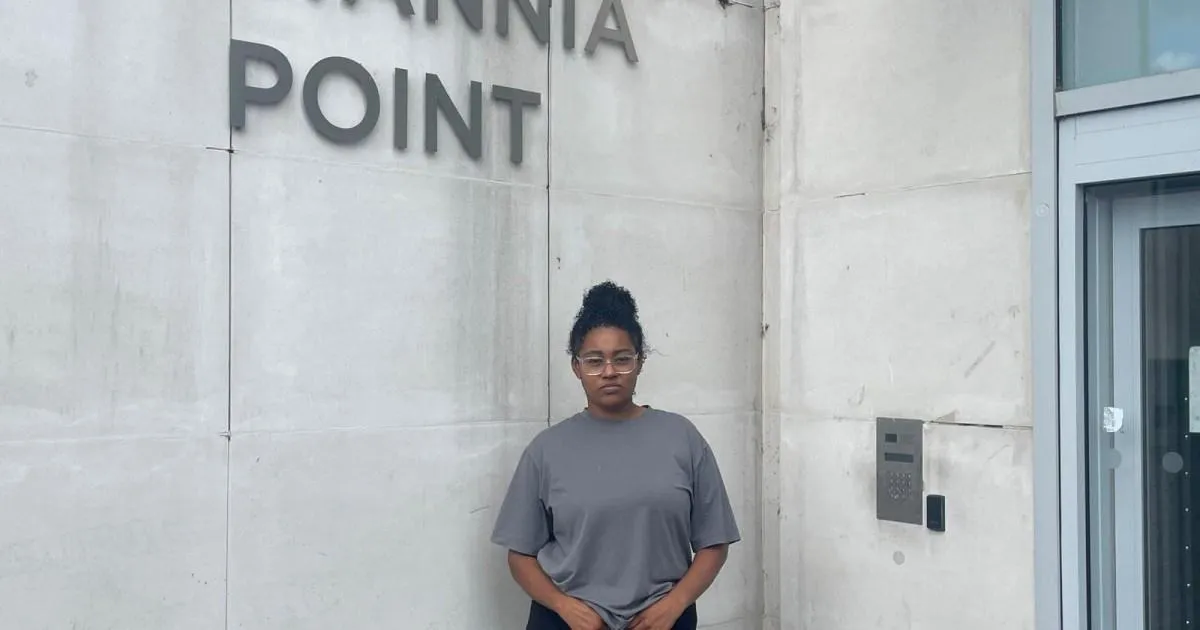
The sweltering heatwave that recently gripped London turned residential living into a harrowing ordeal for the families residing in Britannia Point, a glass-fronted high-rise in Colliers Wood. While most residents scrambled to find shade or relief indoors, the families living in this converted office block found themselves trapped in what they described as a “pressure cooker.” Despite having air conditioning units pre-installed in their flats, dozens of tenants—many of whom were placed there by local councils as emergency homeless shelter—found that the system had been remotely deactivated. As the mercury climbed well past 30°C (86°F), the building’s management, Aura Asset Management, issued a cold, bureaucratic reminder that the cooling systems were not part of the amenity package for their specific tenancy, leaving families to suffer in silence while being told they were not entitled to relief.
The human cost of this decision was immediate and frightening. For Sabrina Walters, a 31-year-old mother living in the block, the experience was nothing short of a nightmare. Her 12-year-old daughter began suffering from persistent, alarming nosebleeds, a physical reaction to the stifling temperatures that had never occurred before the cooling was cut. In the height of the heat, her home became stifling, leaving her one-year-old baby drenched in sweat and unable to sleep. Mrs. Walters described a profound sense of helplessness, noting that while the air conditioning units remained visible on the walls, they were rendered useless by a deliberate decision from the building’s administrators. To these families, the technicality of a tenancy agreement felt like a cruel dismissal of their basic wellbeing, leading many to feel they were being treated more like livestock than human beings.
The structural reality of Britannia Point only exacerbated the danger. Built as an office complex in the 1960s and converted into residential flats in 2017, the building is encased in glass, which acts as a greenhouse in direct sunlight. Because of strict health and safety regulations, the windows are designed so they cannot fully open, effectively sealing the residents inside a thermal trap. Another mother, living on the 14th floor, shared a terrifying account of her child developing a painful, heat-induced rash that required emergency medical intervention at a hospital. She described the air as heavy and difficult to breathe, noting that the intensity of the heat was both physically and emotionally draining. When these panicked families reached out for help, they were met with a dismissive suggestion to simply buy their own fans—an inadequate, tone-deaf response to an environment that reached temperatures far beyond the reach of a desk fan.
The controversy has shed a harsh light on the management of the building, which is owned by firms associated with property magnate Asif Aziz. While the formal correspondence from the managing agent insisted that air conditioning was not part of the “arrangements” with the councils that rent the space, the residents felt that this was a moral failing rather than a policy matter. The disconnect between the corporate ownership of the property and the vulnerable families living within its walls has sparked outrage, especially since these families were placed there by councils as part of the social safety net. The reliance on fine-print clauses to justify withholding basic climate control during record-breaking temperatures sits in sharp contrast to the duty of care expected of those providing housing for the homeless.
Relief only came for some, like Ms. Walters, after they bypassed management and appealed directly to local councillors and Members of Parliament, such as Dame Siobhain McDonagh. Their intervention eventually forced a restoration of the cooling system, but for many, the damage was already done. The stress of the heatwave, combined with the feeling of betrayal by those supposed to provide them with a safe, temporary home, has left a lasting impact on the residents. The situation at Britannia Point serves as a sobering reminder of how vulnerable populations can fall through the cracks of privatized housing, where administrative policies often take precedence over the immediate, tangible needs of residents living in extreme conditions.
The aftermath of this crisis is still unfolding, with some local councils, including Wandsworth, taking the drastic step of relocating their residents once they learned of the inhumane conditions being enforced. This exodus highlights the failure of the arrangement, proving that when housing becomes a strictly business-oriented transaction, the human element—our biological need for safety and comfort in our own homes—is often the first thing to be sacrificed. The families of Britannia Point have rightfully demanded better, standing up against a system that viewed them as lines on a spreadsheet rather than people trying to protect their children from the mounting threats of a changing climate. Their story is a powerful call for accountability in the housing sector, reminding us that no tenancy contract should ever supersede the fundamental right to live in a environment that isn’t actively making you sick.