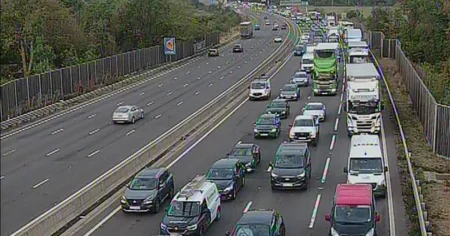



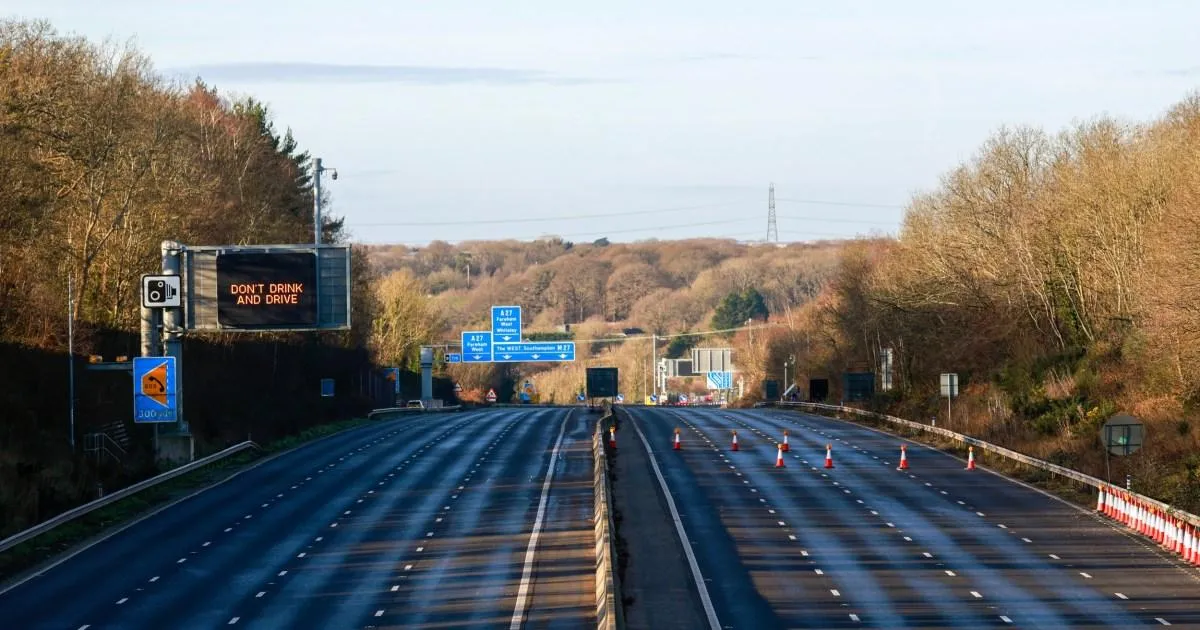
For many of us, the daily commute is a necessary evil, but some stretches of road make that experience feel downright punishing. A recent survey conducted by the watchdog Transport Focus has officially put a face to our collective frustration, naming the M27 in Hampshire as the worst motorway in England. With a satisfaction rating of only 56% among the 9,500 drivers surveyed, the road has become synonymous with endless queues and the lingering misery of construction. It is a sentiment many of us know all too well: the feeling of being trapped behind cones and temporary speed limits for months on end, wondering if the promised improvements will ever actually come to fruition.
The M27’s reputation has been soured by over two years of persistent resurfacing and junction modifications. It is a bitter pill for motorists, especially when the reality on the ground often contradicts the official narrative. One respondent to the survey hit the nail on the head, pointing out that despite the constant traffic disruption, they rarely saw any actual work taking place. This gap between the experience of delay and the visibility of progress is a major source of resentment. When we sit in stationary traffic, we want to see action; when nothing seems to be moving—neither the cars nor the workers—that is when frustration turns into genuine dissatisfaction with the national infrastructure.
On the flip side, there are glimmers of hope elsewhere in the country. The M20 in Kent and the A30 took top honors, with 79% of drivers reporting a positive experience. These figures prove that it is entirely possible to balance necessary maintenance with the needs of the traveling public. Across the board, overall satisfaction levels actually ticked upward slightly to 71%, suggesting that, in many areas, road surface quality and journey times are trending in the right direction. It is a reminder that when infrastructure projects are handled with care and efficiency, we are more than happy to give credit where credit is due.
However, we are at a crossroads regarding the future of our road network. National Highways is gearing up for a massive five-year renewals programme—the most significant maintenance overhaul since the motorway system was first laid out in the 1960s. While our aging roads desperately need this attention for safety and longevity, the prospect of prolonged, widespread construction is daunting. Steve Gooding, director of the RAC Foundation, was blunt in his assessment: the authority needs to “up its game.” If this upcoming wave of work is handled with the same lack of coordination that has plagued the M27, the motoring public’s goodwill could quickly evaporate.
The balancing act for policymakers is clear: they must modernize our aging infrastructure without grinding the country to a halt. Louise Collins, director of Transport Focus, emphasized that while recent improvements are encouraging, the management of roadworks truly “makes or breaks” a journey. It is not just about the work itself; it is about communication, planning, and minimizing the daily stress placed on the commuter. Drivers are not unreasonable—most of us understand that potholes need filling and junctions need upgrading—but we demand a process that respects our time and keeps the lanes flowing as smoothly as possible.
Ultimately, National Highways maintains that they are tackling these inherited, aging issues head-on to ensure long-term reliability for businesses and communities alike. They insist that their focus remains on safety and incident response, which the survey indicates many drivers are beginning to appreciate. As we look ahead to the massive investment programs slated through 2030, the hope is that they will learn from the failures of roads like the M27. For the sake of our sanity and the health of the national economy, let’s hope the next few years of “progress” feel a little less like a chore and a lot more like real improvement.