



Here is a summarized and humanized version of the content, structured into six paragraphs as requested.
—
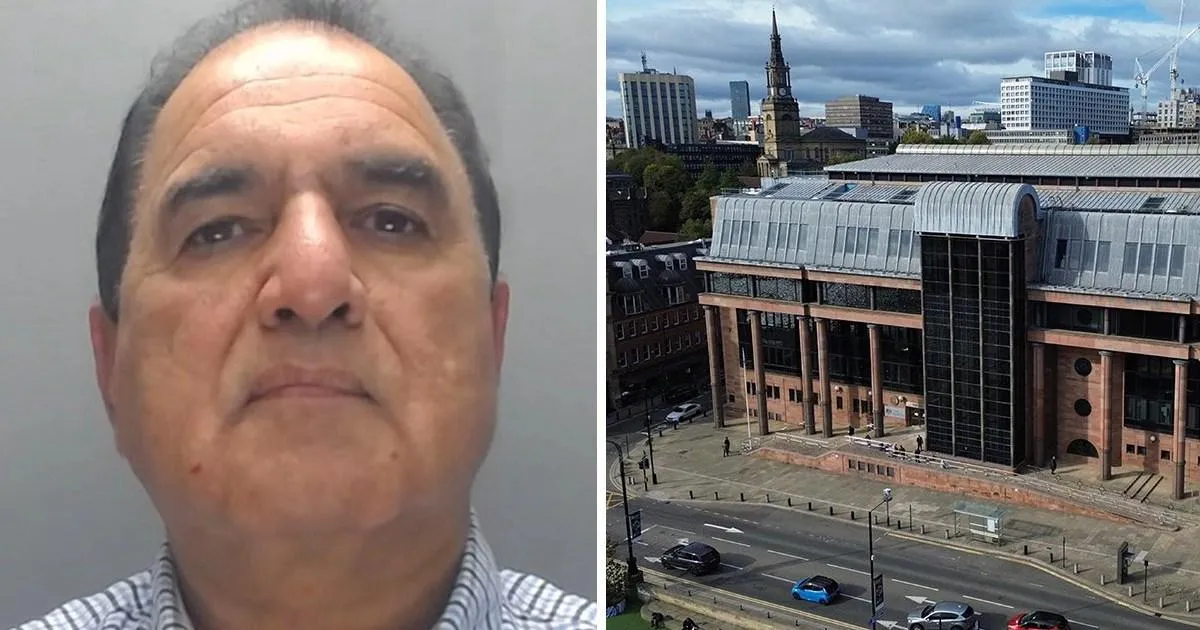
In a profound breach of medical ethics and trust, Dr. Muhammed Iqbal, a 64-year-old general practitioner, has been sentenced to 18 months in prison for sexually assaulting two women during what should have been routine medical appointments. The case, heard at Newcastle Crown Court, sheds a stark light on the vulnerability of patients and the immense power held by those in the medical profession. Iqbal, who resides in Julianstown, County Meath, Ireland, was not acting as a family doctor in these instances. Instead, he was hired by insurance companies to conduct independent medical examinations on individuals who had sustained injuries in car accidents. This professional role, which required him to travel regularly from his home in Ireland to clinics in the North East of England—specifically in Sunderland, Newcastle, and Darlington—placed him in a position of authority over people who were already physically and emotionally compromised by their recent ordeals.
The specifics of Iqbal’s crimes, as detailed in court, paint a disturbing picture of predatory behavior disguised as clinical practice. The jury heard how, during an examination of one woman at a clinic in Darlington, Iqbal instructed her to stand up and then deliberately rubbed against her buttocks while sexually aroused, before proceeding to pull and squeeze her left breast. In a separate incident at a clinic in Sunderland, he used a different pretext, asking another woman to remove her top and lift her bra under the guise of checking for lumps. During this supposed clinical examination, he touched both of her breasts with both hands in a manner that the judge described as “having a good feel.” These actions were not mere misinterpretations of professional conduct; they were calculated assaults that exploited the inherent trust patients place in their doctors and the inherently private nature of a physical examination.
Throughout the trial, Iqbal denied both charges of sexual assault, forcing his victims to endure the harrowing process of a court case. However, the jury saw through his denials and convicted him on both counts, a verdict that was met with a sense of justice for the victims. The judge, Edward Bindloss, was unequivocal in his condemnation of Iqbal’s actions, stating that he had used the medical examinations as “a cover for sexually assaulting them.” The judge highlighted the calculated nature of the crimes, noting that Iqbal was a professional who regularly traveled to the UK to conduct back-to-back appointments, all while being remunerated by insurance companies to provide objective medical reports. This context underscored that Iqbal’s actions were not a one-off lapse in judgment but a deliberate abuse of his professional standing for personal gratification.
The most powerful moments of the sentencing hearing came not from the lawyers or the judge, but from the victims themselves, who bravely read their personal impact statements directly to their abuser. One woman articulated the profound sense of betrayal she feels, telling Iqbal, “I went to you as a doctor, as someone in a position of trust and, you not only completely betrayed this position but also the medical oath you had taken.” Her words resonate with a chilling reality: the long-term psychological damage inflicted by such a violation extends far beyond the immediate incident. She spoke of the devastating consequence of no longer being able to trust any doctor, a fear that will follow her and affect her family for years to come. The second woman described the shock that immobilized her in the months following the assault, a state that eventually transformed into anger. Her testimony highlighted the “vulnerable” state she was in, and the slow, painful process of processing the violation she suffered at the hands of a man she was supposed to be able to rely on.
The court also heard from Iqbal’s defense, who presented character references from other doctors describing him as “loyal, courteous, good-humoured, caring and compassionate.” These references, however, stood in stark contrast to the crimes for which he had just been convicted, painting a picture of a man who could present one face to his colleagues while behaving with predatory cruelty toward vulnerable patients. The judge dismissed the notion that these references could mitigate the severity of the crime, emphasizing the fundamental need for patients to feel safe and secure in their interactions with the medical profession. His remark that “People need to know their GP or a doctor they are seeing has their best interests at heart” cuts to the very core of the matter, underscoring that the integrity of the entire medical system is dependent on the trustworthiness of each individual practitioner.
As a result of his conviction, Iqbal’s medical career is effectively over. He has been suspended by the General Medical Council (GMC) and will ultimately be struck off the medical register, meaning he will never be able to practice medicine in the UK again. He has also been removed from his GP practice in Ireland, ending a career that is now defined by a single, unforgivable act of betrayal. While the 18-month prison sentence provides a measure of justice and removes him from society for a time, the true impact of this case is the lasting harm inflicted on his victims. In the aftermath of the sentencing, there is a powerful hope, expressed by one of the victims, that other people who may have been assaulted by Iqbal will find the courage to come forward, emboldened by this verdict. This case serves as a somber reminder of the duty of care that all professionals hold and a warning of the devastating consequences when that duty is flagrantly abused.