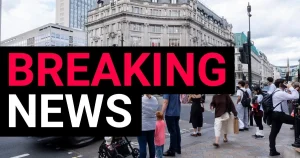



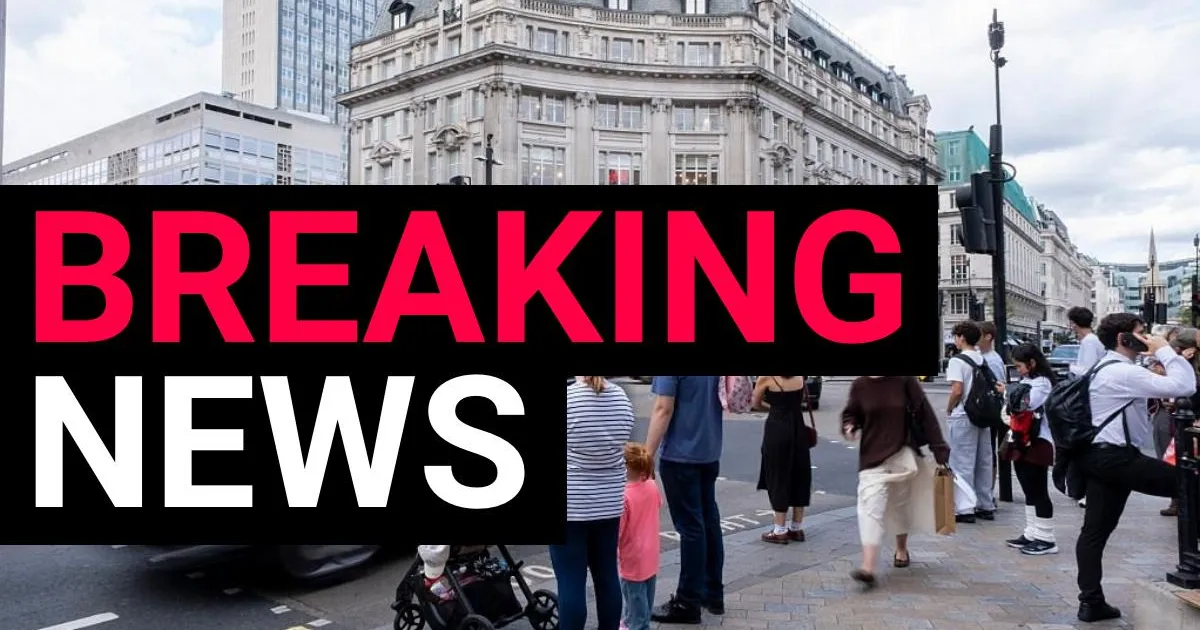
If you’ve ever found yourself shuffling along Oxford Street, dodging shoppers, suitcases, and the occasional delivery bike while trying not to breathe in a double-decker’s exhaust, then this news is probably long overdue. London’s most famous shopping artery—and by many measures Europe’s busiest high street—is about to undergo a permanent change that has been talked about, trialled, and argued over for years. Sadiq Khan, the Mayor of London, has finally confirmed a date: from October 26, a full one-kilometre stretch of Oxford Street will go vehicle-free. That means cars, buses, taxis, and bicycles will all vanish from the thoroughfare in what’s being called the “transition phase,” setting the stage for a more permanent pedestrianised future. The idea isn’t entirely new—there have been temporary trials before, with shoppers given a taste of a quieter, cleaner Oxford Street on special days—but this is the first time it will be made permanent. With the busy Christmas shopping period just around the corner, the timing is deliberate. Khan has framed it as a bold, exciting vision coming to life, with strong support from both Londoners and businesses. But as with any massive urban change in a city like London, the details matter, and there’s a lot to unpack about how this ambitious plan will actually work.
So, what exactly is being pedestrianised, and where does it start and end? In this first phase, vehicles will be banished from the entire section between Selfridges near the Marble Arch end and Great Portland Street, just east of Oxford Circus. That means the very heart of the shopping district—including Oxford Circus itself, where it intersects with the wider, equally busy Regent Street—will be closed to through-traffic. It’s a significant chunk of one of the planet’s most visited retail destinations, and it’s not just private cars that will be shown the door. Ten bus routes that currently rumble up and down the street will be re-routed to avoid the area entirely, which is a massive logistical shake-up for the thousands of commuters and shoppers who rely on them. There are, of course, exceptions. Emergency services will still be able to access anywhere they need to, and delivery vehicles will be allowed in during the dead of night, between midnight and 7am, to restock shops and restaurants. Push bikes, e-bikes, and e-scooters, however, won’t be allowed through the new pedestrianised zone. Transport for London, or TfL, has confirmed this, although new cycleways are being developed nearby to give cyclists alternative routes. Cars won’t be completely cut off from crossing the famous street, either—certain points like Duke Street, Davies Street, and New Bond Street will still allow vehicles to cross, though some junctions will become one-way. Meanwhile, the old traffic lanes are set to be transformed with new planters, benches, and seating areas, making the space feel less like a thoroughfare and more like a public plaza.
For bus passengers, this change will be felt immediately, and it’s worth understanding exactly what’s happening. Ten different routes currently run along Oxford Street both day and night, and all of them will be pushed onto nearby streets in a major reshaping of central London’s bus network. According to TfL’s published plans, routes 7, 94, 98, 139, and 390, along with night routes N7, N98, N113, N137, and N207, will be redirected down Wigmore Street and Henrietta Place, running behind John Lewis before rejoining Oxford Street at Great Titchfield Street on the other side of Oxford Circus. The one exception is the number 139, which will continue on Regent Street instead. For passengers, this means a bit more walking—roughly 100 to 200 metres extra to reach the relocated bus stops. That might not sound like much, but for people with mobility issues, heavy shopping bags, or young children in prams, it could be a real hassle. Still, the mayor’s team argues that the benefits outweigh the inconvenience. A car-free Oxford Street is expected to be safer, less polluted, and far more pleasant to spend time in. And beyond the immediate experience, there’s money on the table: the Greater London Authority estimates the scheme could generate up to £40 million in VAT receipts and an additional £20 million in business rates, as a more attractive public space brings in more shoppers and encourages more investment.
Behind the scenes, the project is being steered by a new body called the Oxford Street Development Corporation, or OSDC, which was created after friction between City Hall and Westminster City Council. Last month, the OSDC took over planning responsibilities for the area, meaning every application—from major redevelopments to shop frontage changes—now goes through them instead of the local council. The OSDC’s board includes a mix of political figures and business leaders, and it promises a “leaner, greener” Oxford Street with spaces for events, rest, relaxation, and activations, not just retail. The plan also includes the creation of two new public squares, although their exact locations haven’t been revealed yet, adding to the sense that this is about more than just banning traffic—it’s about reimagining what a high street can be in the 21st century. The timeline is deliberately cautious in one sense: the October 26 start is just the “transition phase,” a testing period designed to iron out problems before the changes become permanent in 2027. During this phase, visitors, residents, and businesses will be asked to give feedback, and TfL will carry out street improvements and realignments, including changing traffic directions on some roads and relocating bus stops. The hope is that by getting feedback early, they can avoid the kind of chaos that often accompanies major infrastructure changes, and shape the final design around how people actually use the space.
But it’s not all smooth sailing, and the opposition is vocal. Westminster City Council, now Conservative-led, has been against the plan from the start, and its deputy leader, Councillor Tim Barnes, isn’t holding back. He points out that residents and businesses still have a long list of unanswered questions about everything from access to air pollution, street cleaning, and public safety. “Right now there’s a danger that we will have all of the downsides and too little upside,” he said, warning that traffic could be pushed onto the small residential streets nearby, causing both economic and environmental harm. The council has written to the OSDC expressing serious concerns, and there’s a sense that the mayor is rushing preparations with very little time left. These are fair points. Pedestrianising a main artery doesn’t make cars disappear—it redistributes them. The surrounding area, already congested, could see new bottlenecks, and local residents might find their quiet side streets suddenly becoming rat runs. Air quality, which the scheme is supposed to improve, could worsen in neighbouring roads, and if the alternative routes aren’t carefully managed, the whole thing could backfire. It’s a classic urban planning dilemma: how do you make one street beautiful and people-friendly without simply exporting your problems elsewhere? The answer, according to the mayor’s team, is careful planning, new cycle routes, and continuous monitoring, but critics remain deeply sceptical.
At its heart, though, this is a story about the future of our cities. Oxford Street has long been a symbol of British retail and urban life, from its grand department stores to its crowded Christmas lights. But like many high streets, it has struggled in recent years with online shopping, changing habits, and the fallout of the pandemic. The pedestrianisation project is an attempt to reinvent it—not just as a place to buy things, but as a destination to enjoy, to linger in, to host cultural events, and to be proud of. Whether it will be the world-class public space that Sadiq Khan envisions, or the traffic nightmare that Westminster City Council fears, remains to be seen. But one thing is certain: from October 26, when the first barriers go up and the last bus is re-routed, London is about to begin a grand experiment. Shoppers will soon wander down a quieter, cleaner stretch of one of the world’s most famous streets, while workers, politicians, and residents keep a close eye on what happens next. If it works, it could become a blueprint for other cities across the globe. If it doesn’t, well, there’s still time to adjust before 2027. For now, the message from the mayor is clear: put on your walking shoes, and get ready to experience Oxford Street like never before.