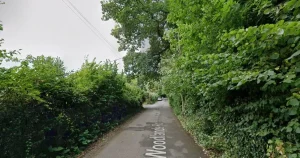

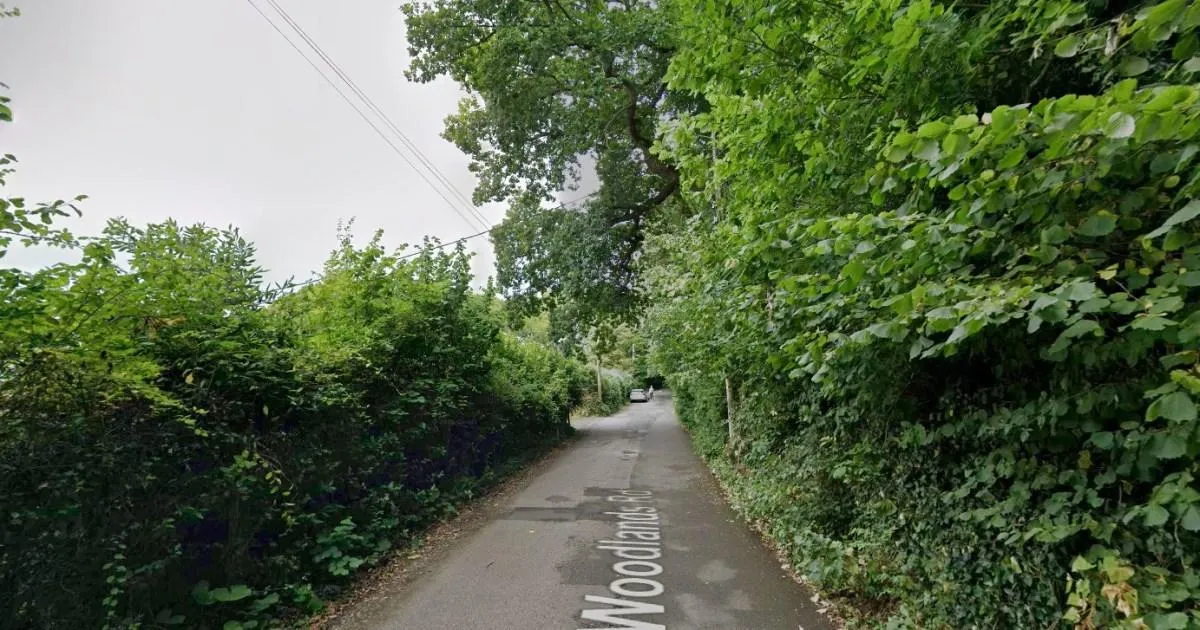
There is a particular kind of grief that arrives slowly, building over days of worry and diminishing hope, before finally settling into the heart like a stone. For the seaside town of Portishead, in Somerset, that grief has now arrived with the news no one wanted to hear. A body has been recovered from the sea in the search for George, an 18-year-old who disappeared on Thursday evening and whose disappearance had drawn the attention and concern of an entire community. The discovery was made on Sunday, off the coast of Newport, after a weekend of desperate searching and anxious waiting. The young man had last been seen on Woodlands Road in Portishead at around 8.20pm, a time when ordinary evenings are still filled with possibility, and no one could have known that the hours ahead would become so agonising. The body recovered from the water was found to be wearing clothing matching the description of what George had on when he was last seen, though formal identification has not yet been completed. His family have been informed of the latest development, a notification that no parent or relative should ever have to receive, and specialist officers are now supporting them. There is a clinical language that police must use in these terrible moments, but behind the formal words there is nothing clinical at all. There is a boy’s life, a family’s love, a community’s fear, and now a loss that cannot be undone.
The disappearance itself had raised concerns from the very beginning. George was described as a young man who could have been disoriented or confused, and that particular vulnerability made the search all the more urgent. When someone goes missing, especially someone so young, there is always a window of hope, a belief that they will come home, that everything will somehow turn out all right in the end. That hope was carried by his family, held up by their friends and neighbours, and carried across social media as appeals were shared and reposted. Police officers asked anyone with information to come forward, and the public responded in the way communities often do in moments of crisis, with open eyes and open hearts. Local people checked gardens, sheds, pathways and shorelines. They called in with sightings, with suggestions, with offers to help. Yet as the hours passed and darkness fell, the reality became harder to hold on to. The words from the police, that George may appear disoriented or confused, hung over every update, reminding everyone that this was not a case of a teenager running away from home, but of a young person in a fragile state. The concern was not just that he might be lost, but that he might not be able to find his way back, even if help was close by. Every unanswered message and every passing day only deepened the sense of dread that those who knew him, and even those who did not, were beginning to feel.
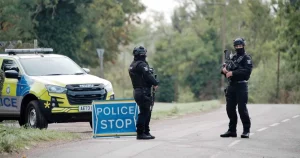
Search teams soon moved into the challenging landscape around the coast, where the beauty of the water is matched by its danger. Specialist teams scoured areas that are difficult to reach and hazardous to navigate, places where mud can swallow a foot in seconds and rocks turn slippery with the tide. The police issued a warning to volunteers to be careful, asking them not to put their own safety at risk on dangerous mud, rocks or heights. That warning spoke volumes about the terrain and about the fear that the search itself could become a second tragedy. The Bristol Channel, with its powerful tides and shifting sands, is not forgiving. It is a place of constant movement, where the water never truly rests, and where the landscape can change without warning. Those who took part in the search did so with a mix of urgency and caution, knowing that they were looking for a missing boy while also needing to protect themselves and each other. Among those involved were Gwent Police and the RNLI, whose crews are accustomed to responding to emergencies at sea but can never become immune to the weight of what they may find. The search continued through the weekend, across the water, along the shoreline, through every place where George might have been carried by the currents or by his own footsteps. It was an exhaustive and heartbreaking effort, powered by professionalism but driven by something far more human than duty.
Then, on Sunday, the news came that changed everything. A body was recovered from the sea off the coast of Newport, and the search, at least in its most desperate form, came to an end. The clothing on the body matched the description of what George had been wearing when he disappeared. Formal identification still needed to take place, but the information had already been passed to his family, who were being supported by specialist officers through the beginnings of what will be an unbearable process of grief and adjustment. Avon and Somerset Police released a statement, and their spokesperson said that the death was not being treated as suspicious and would be a matter for the coroner going forward. That phrase, “not being treated as suspicious,” is one we often hear in such cases, and it is meant to reassure the public that no one else was involved, that there is no wider danger, and that the investigation is over in terms of criminality. But for a family, it offers very little comfort. Whether a death is sudden or expected, whether it is caused by illness, accident or something else, the pain of losing someone so young is the same. The medical and legal processes will continue in the background, but the human experience is far more immediate: an empty chair, a silent phone, a future filled with broken plans and unspoken words. The family of George have been informed of the latest development, and now they must wait for formal identification and for the answers that will come, slowly and painfully, through the coroner’s proceedings.
The statement from the police also included a request that the public respect the family’s privacy. It was noted that George’s family had been touched by all the offers of support they had received, but that they were asking for privacy at this time. There is something profound in that, the way a community’s kindness can be felt even at the darkest moment, and yet the need for space and silence becomes overwhelming when grief is so raw. The family are being supported by a specialist liaison officer, a role that exists not only to provide information but to act as a shield, allowing them to grieve without the pressure of the outside world. Chief Inspector Andy Barry spoke publicly about the family, saying: “I would like to recognise the strength and resilience of George’s family during this time and we continue to keep them updated through a specialist liaison officer.” Those words act as an acknowledgement of something that is easy to forget in the middle of a news story: that behind every missing person appeal is a family holding onto hope with both hands, and behind every recovery is a family whose world has collapsed. Strength and resilience are overused words, often used to describe people who have no choice but to go on. But they mean something here. They mean waking up, breathing, answering the door, accepting sympathetic hugs, enduring the unbearable silence of a home where someone should have returned. The family are asking for privacy, and in a world that is quick to comment and share and speculate, that request deserves to be honoured.
In the end, this is not just a story about a search operation or a police statement. It is a story about a young man, just 18 years old, whose life has been cut short in the most tragic of circumstances. It is about the people who loved him, and who will carry the weight of this loss for the rest of their lives. It is about the search teams who gave their time and effort, the police who coordinated the response, the lifeboat crews who went out onto the water, and the ordinary people who shared appeals and looked out for a missing boy they had never met. The police thanked everyone who called in with information, shared appeals, and took part in the search, and that gratitude is essential. It reminds us that in the worst moments, communities still come together. It reminds us that while the sea can be cold and unforgiving, human compassion can be warm and constant. As the formal identification continues and the coroner’s investigation begins, the public will likely learn more about what happened to George in his final hours. But for now, the most important thing is that a beloved young person has been found, and that his family can begin, in their own time, the difficult journey through grief. There will be no easy answers, no way to make sense of a life ended so early. But there is hope that the family will find peace, and that the kindness of others will ease their burden, even just a little. George was someone’s son, someone’s friend, someone’s whole world. He was last seen on Woodlands Road in Portishead, and though he did not come home, he will not be forgotten.