

The atmosphere across London’s Congolese community has shifted from nervous anticipation to pure, unadulterated euphoria. After a historic 3-1 victory over Uzbekistan, the Democratic Republic of Congo has secured a spot in the World Cup knockout stages for the first time ever, a feat that has left fans in the UK “over the moon.” For families like those in the vibrant Congolese hubs of Seven Sisters and Tottenham, the win was a monumental reason to take to the streets, with celebrations stretching well into the early hours of the morning as supporters reveled in a milestone that had been over half a century in the making.
This success feels less like a simple sports victory and more like a profound triumph against adversity. Back home, the DR Congo has been grappling with a devastating Ebola outbreak that plunged the nation into a public health emergency. The crisis was so severe that it crippled the national team’s ability to conduct proper training camps and prevented many of their most passionate supporters from traveling to watch the matches. Despite these harrowing circumstances—and a grueling three-week quarantine in Belgium—the players managed to defy the odds, proving that their spirit remained unbroken even when their homeland was under siege.
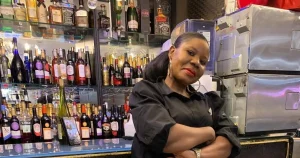
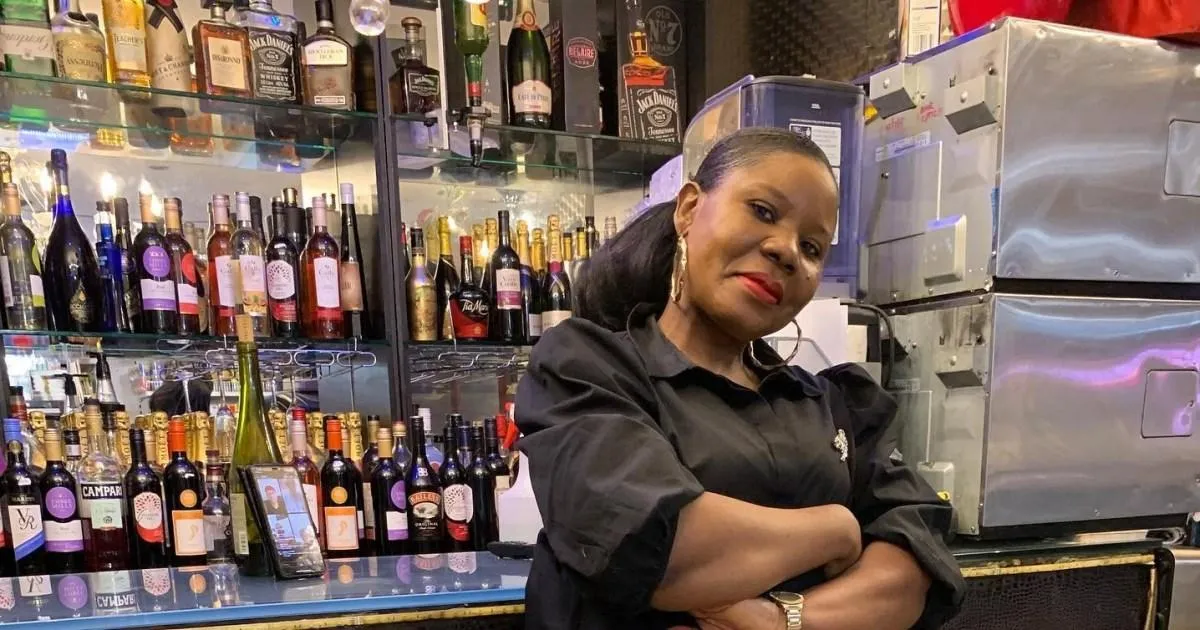
For the roughly 30,000 Congolese people living in the UK, the upcoming match against England presents a deeply complicated emotional dilemma. London is home to many; it is where they work, raise their families, and build their lives. As local business owners like Sam Makela and Goldie Bashala struggle to balance their love for their adopted country with their fierce pride for their nation of origin, the match has become a mirror for their own identities. While England is a perennial contender that frequently breezes through group stages, this is uncharted territory for the Congo, making the conflict of heart and mind particularly poignant on this unique sporting stage.
However, beneath the tactical excitement of the impending game lies a much more serious message. For those in the diaspora, this tournament is not just about the game; it is an international platform designed to shed light on the ongoing struggles in the Congo. Goldie Bashala poignantly notes that for a long time, the world has remained silent regarding the humanitarian crisis and the exploitation of the country’s vast mineral wealth. With their team playing on a global stage—often without the physical presence of their fans due to strict international travel restrictions—these players have become the loudest advocates for a nation that the world frequently overlooks.
The players’ ability to perform without their supporters in the stands has touched a nerve, highlighting the resilience of a people who have learned to thrive even when the world’s resources or attention are elsewhere. Goldie and many others view the match against England as a symbolic opportunity to force a conversation that has been ignored for too long. By drawing eyes to the pitch, the team is indirectly demanding that the international community turn its gaze toward the real-world conditions in the Congo, moving the narrative beyond football and into the realm of global justice and awareness.
As the countdown to the Atlanta match continues, the Congolese community in London remains united in their pride. They are exhausted from the late-night celebrations, still in a state of “shock” at how far their team has traveled, and yet, they are ready. Whether they wear the red of the Congo or the white of England, the pride remains the same. When the whistle blows on Wednesday, it will represent far more than 90 minutes of sport; it will be the culmination of a nation’s refusal to be silenced, proving that even in the face of disease and isolation, a team—and a people—can capture the world’s imagination.