


The Scorching Reality: Britain’s Fifth Heatwave
The United Kingdom is once again in the grip of a sweltering heatwave, the fifth of a seemingly relentless season, as a formidable weather front pushes temperatures to perilous highs. The Met Office has issued extreme amber heat warnings, which came into effect in the early hours of the morning and will remain active until midnight, signaling a period of intense and potentially hazardous heat. This latest blast of hot air is set to engulf a significant portion of the country, with London, the South East, East of England, and the East Midlands expected to bear the full brunt of the soaring temperatures, which could climb to a sweltering 38°C. As the mercury rises, so too does the concern for public health and wellbeing, with heat health alerts now in place across the entirety of England, underscoring the serious impact this weather can have on the population and the nation’s infrastructure.
This isn’t just a fleeting summer warm spell; it’s a prolonged event that is compounding an already dire situation. The country is bone-dry after weeks without significant rainfall, a stark reminder of the ongoing drought that has gripped nearly three-quarters of England and all of Wales. The landscape is parched, from the pavement of London’s streets to the once-lush fields of the countryside, creating a tinderbox environment and placing immense strain on water resources. The arrival of this particular heatwave is not just an inconvenience; it is a stark illustration of a changing climate and a summer that is on track to be the hottest on record. With the hottest August days in six years potentially being recorded, the nation is being forced to adapt to a new, hotter reality and the challenges it presents to everyday life.
The Tracks of Turmoil: Navigating a Melting Network
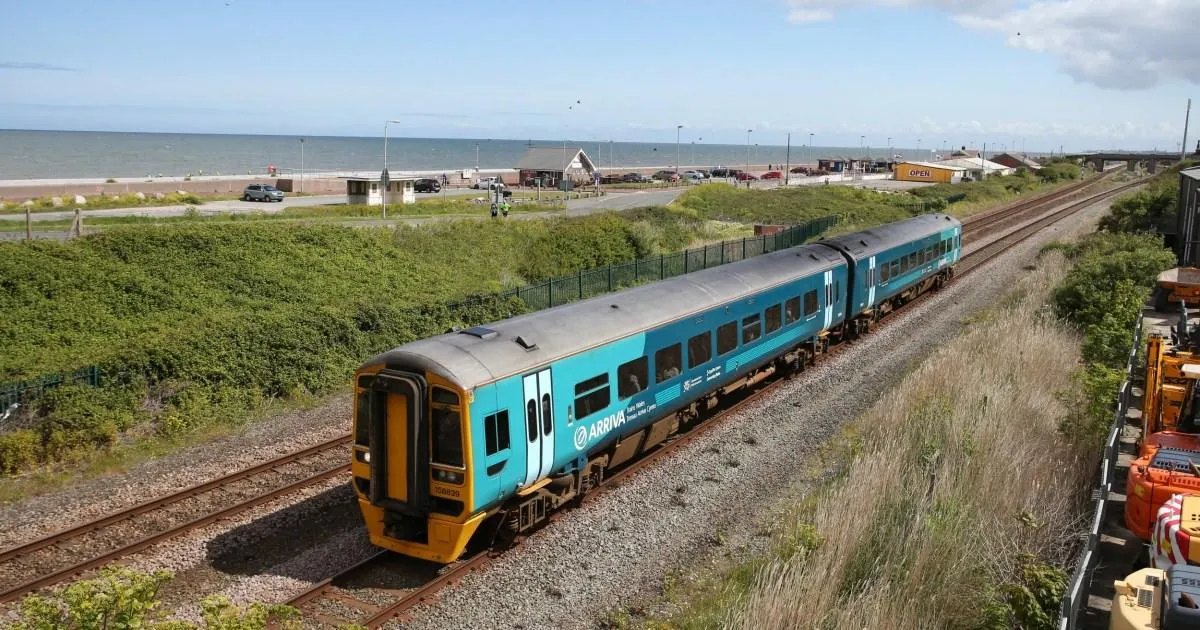
As the sun beats down mercilessly, one of the most visible and disruptive consequences is being felt on the nation’s railway network. The intense heat poses a significant physical threat to the infrastructure, causing metal rails to absorb the sun’s energy and reach on-the-ground temperatures exceeding 50°C. In such extreme conditions, the steel can buckle, creating a serious safety hazard. To mitigate this, train operators are being forced to impose speed restrictions on stretches of track, particularly those in direct sunlight, and in many cases, significantly reduce the number of services running. This has led to a chaotic week for commuters and travellers alike, with several major rail companies issuing urgent warnings and advising passengers to only travel if their journey is absolutely essential.
The list of affected operators is extensive, including c2c, Chiltern Railways, CrossCountry, East Midlands Railway, Great Western Railway, Northern, Transport for Wales, and West Midlands Railway. Each is grappling with the challenge of moving people safely while the infrastructure struggles to cope with the heat. Chiltern Railways, for instance, has implemented a reduced timetable between 11am and 8pm, hoping to provide a “reliable service” during the hottest part of the day. Michael Stewart, from the company, advised travellers to check their journeys before setting out, allow extra time, and crucially, carry water to stay hydrated. The operator has even gone as far as to say that customers should travel “only if it’s essential on Thursday” due to the exceptionally high temperatures forecast across their network. For those who choose not to travel, fee-free refunds are being offered, showing the severity of the disruptions. This logistical nightmare paints a clear picture of how unprepared modern infrastructure is for the extreme weather events that are becoming increasingly common.
A Nation Advised to Stay Put
The message from transport authorities is clear and urgent: stay home unless absolutely necessary. East Midlands Railway (EMR) has joined the chorus, advising only “essential” journeys on Thursday and suspending numerous services to manage the heat. Regional services between Sheffield and Liverpool will be completely suspended, as will services between Nottingham and Worksop and between Nottingham and Leicester after midday. Passengers are being strongly encouraged to travel before midday where possible to avoid the peak heat and the associated service cancellations. Even for those who manage to travel, they are being warned to expect longer journeys and an increased risk of short-notice changes, with operators asking for “patience and understanding” as they navigate this difficult period. The knock-on effect is a country in a state of semi-lockdown, where the simple act of getting from A to B has become a logistical challenge fraught with uncertainty.
The ripple effect of the heat and transport disruption extends far beyond the railway tracks, touching every aspect of daily life. Schools, workplaces, and homes are all grappling with the oppressive conditions. The air is thick and heavy, and even simple tasks feel exhausting. The human body is under immense strain, with the risk of heat exhaustion and heatstroke elevated for everyone, especially the elderly, young children, and those with underlying health conditions. The advice is to stay in the shade during the hottest hours, keep homes cool by closing curtains, and drink plenty of fluids. Yet for many, in homes not designed for such heat or without access to air conditioning, finding relief is a daily struggle. The focus on “staying safe” has become more than just a public health slogan; it is a practical survival guide for navigating the scorching days and uncomfortably warm nights.
Historical Heat and the Fingerprint of a Changing Climate
The statistics emerging from this heatwave are staggering and place it firmly in the history books. Forecasters are predicting that temperatures could reach 36-37°C in the Midlands, East, and South East, and the possibility of hitting 38°C is not being ruled out. This is particularly significant as temperatures haven’t risen above 36-38°C in August for six years, with a high of 36.4°C recorded at Heathrow and Kew Gardens back in 2020. This comparison highlights the exceptional nature of the current heat. The fact that 2026 is already looking likely to be the hottest summer on record is a chilling reminder that these are not isolated incidents but part of a clear and worrying trend. Each successive heatwave breaks previous records, pushing the boundaries of what was once considered normal British summer weather, and forcing the country to confront the tangible realities of global warming.
Beyond the immediate discomfort and disruption, these extreme temperatures have a profound and lasting impact on the environment. The drought conditions have turned vast swathes of the countryside into a land of brittle browns and yellows. Farmers are facing crippling losses as crops wither in the fields, and water companies are implementing hosepipe bans to conserve dwindling supplies. The risk of wildfires is ever-present, with even the smallest spark capable of igniting a destructive blaze across the dry vegetation. This isn’t just a weather event; it is a climate crisis unfolding in real-time, impacting food security, natural habitats, and the very foundation of the nation’s environment. The beauty of the British summer has been distorted into a hostile and unforgiving force, and the long-term consequences will be felt for years to come, long after the temperatures finally return to something resembling normality.
The Human Toll and the Search for Relief
Amid the warnings about infrastructure and infrastructure failures, it’s crucial to remember the physical toll this is taking on people across the country. The heat health alerts serve as a stark reminder that for many, this weather is not just uncomfortable but genuinely dangerous. The human body is designed to function within a narrow temperature range, and when the external environment exceeds that, it begins to struggle. The symptoms of heat-related illness range from headaches, dizziness, and cramps to the far more serious heat exhaustion and heatstroke, which can be life-threatening. Health officials are urging people to check on vulnerable neighbours and relatives, ensuring they are keeping cool and hydrated. For those who have to work outdoors, in construction, agriculture, or other manual jobs, the conditions are particularly gruelling, requiring constant breaks and access to shade and water. The unequal impact of this heat is also apparent, with those in poorer housing, without the means to cool their homes, suffering the most.
The strain is not just physical; it’s also mental. The relentless, oppressive heat can lead to irritability, disrupted sleep, and a general sense of fatigue and low mood. The constant hum of fans, the stuffy air, and the sense of being trapped indoors can be mentally draining. During a time when people would normally be looking forward to enjoying the great outdoors, they are instead being told to stay inside, avoiding the sun’s peak hours. The simple pleasures of a walk in the park or playing with children in the garden become a test of endurance. There is an underlying stress to this extreme weather, a feeling that the natural world we rely on has become unpredictable and hostile. The nation is collectively holding its breath, waiting for the promised cooler conditions that will finally bring some relief from this relentless assault.
A Precedent for Future Summers
As this fifth heatwave of the season runs its course, it leaves behind more than just scorched earth and disrupted schedules; it leaves a template for what future British summers may hold. The events of this week serve as a powerful, real-world case study of the consequences of a warming planet. From buckled train tracks to strained health services, the entire country has had to adapt on the fly, revealing how fragile our systems and routines can be when faced with extremes. The fact that the UK is experiencing its hottest summer on record, combined with an unprecedented drought, is not a coincidence but a clear signal of what climate scientists have been warning about for decades. The government is being urged to invest seriously in climate-resilient infrastructure, from redesigning railway lines to implementing urban cooling projects to protect the most vulnerable populations.
But adaptation isn’t just a job for the government; it’s a societal change. This heatwave forces a national conversation about how we live, work, and build. It questions the design of our cities, our reliance on certain modes of transport, and even our daily routines. The advice to “only travel if essential” and to work from home may become more than just a temporary measure; it could be a blueprint for how to function during future heat events. The experience of these long, hot weeks in 2026 will likely linger in the collective memory, influencing decisions from personal travel plans to long-term urban planning. While the immediate focus is on getting through the next few days and finding relief from the 38°C heat, the deeper lesson is that this is not an anomaly but a new, challenging normal. The UK is being forced to reimagine its future, one scorching summer at a time, and how it responds to this crisis will define its resilience for generations to come.