



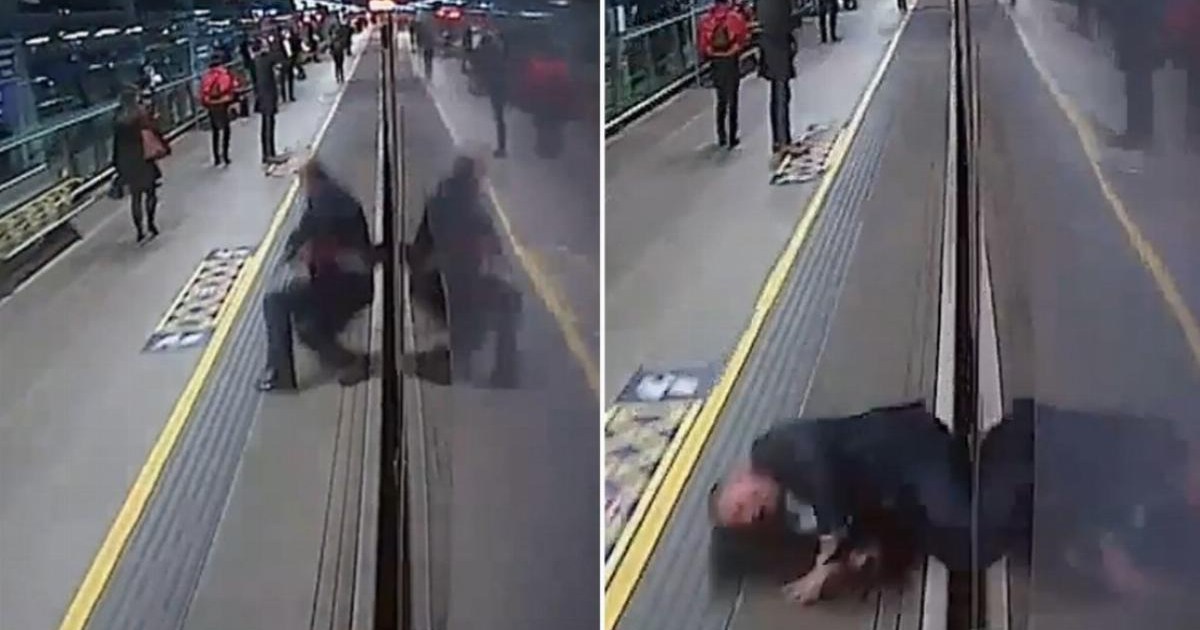
This incident highlights a concerning trend of increasing accidents on public transport systems, particularly slips, trips, and falls. The dramatic footage from Blackfriars station serves as a stark reminder of the potential dangers lurking even in familiar commuting environments. While the man in this specific incident escaped with seemingly minor injuries, the incident underscores the importance of adhering to safety guidelines and exercising caution while navigating train platforms. The fact that over 150 similar incidents occurred on the same network during the previous winter emphasizes the prevalence of this issue and the need for both commuters and transport authorities to prioritize safety.
The incident also prompts reflection on the broader context of safety within public transport systems. The rising number of passengers, especially during peak seasons like the festive period mentioned in the article, can exacerbate existing risks. Crowded platforms increase the likelihood of accidental jostling and falls, while the rush to board or disembark trains can lead to hurried movements and decreased awareness of surroundings. Furthermore, external factors such as weather conditions, particularly during winter, can contribute to slippery surfaces and increased risk of trips and falls. These factors collectively create an environment where even a seemingly minor misstep can have serious consequences.
The close proximity of the man to the moving train prior to his fall raises questions about adherence to safety guidelines. The presence of yellow lines on train platforms serves as a clear visual demarcation of a safe distance from the tracks. Stepping beyond this line, as the man in the video did, significantly increases the risk of accidents. This incident emphasizes the importance of respecting these safety measures and maintaining a safe distance from the platform edge, regardless of perceived urgency or crowding. Public awareness campaigns emphasizing the significance of these safety lines could be beneficial in reinforcing cautious behavior.
The article further contextualizes the incident by citing other similar occurrences, including a particularly distressing case involving a 101-year-old woman who suffered serious injuries after her coat became trapped in Tube doors. This example highlights the vulnerability of certain demographics, such as the elderly, to accidents on public transport. It also sheds light on the potential hazards associated with train doors and the importance of ensuring that passengers are fully clear of the doors before they close. Properly functioning door sensors and adequate staff presence to monitor boarding and alighting procedures are crucial in mitigating such risks.
The statement by Samantha Facey, Health Safety & Security Director at Thameslink and Great Northern, underscores the shared responsibility for safety between transport authorities and passengers. While transport operators are responsible for implementing and maintaining safety measures, individual passengers also have a crucial role to play in ensuring their own well-being. Allowing sufficient time for travel to avoid rushing, staying behind the yellow safety lines, and being mindful of surroundings are simple yet effective steps that can significantly reduce the risk of accidents. Promoting a culture of safety awareness among commuters through public service announcements, clear signage, and staff interactions can contribute to a safer travel environment for all.
Beyond individual responsibility, the incident calls for a systemic approach to safety within public transport. Regular maintenance checks of platform surfaces, adequate lighting to ensure good visibility, and clear and concise safety instructions are essential. Investing in technology such as platform screen doors, which create a physical barrier between passengers and the tracks, can significantly reduce the risk of falls onto the tracks. Furthermore, rigorous training for staff on safety procedures and emergency response protocols can ensure that they are equipped to handle such situations effectively and provide assistance to passengers in need. Continuous monitoring of incident data and analysis of trends can inform targeted interventions and further improve safety measures.