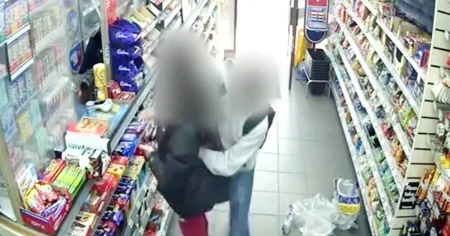

One late September evening in 2023, Ali Almafraji did what countless people do every day: he matched with someone on a video chat app and agreed to meet for what he thought might be a promising date. The profile on Azar belonged to an attractive woman, and the conversation had been friendly enough to convince him to drive to a Nando’s on Lewisham High Street in southeast London. It was around 10pm when he pulled up outside the restaurant, but the woman never appeared. When he checked the app, the profile had vanished, and he assumed he had been stood up. It was an awkward, disappointing moment, but nothing more than that. He had no idea that he had just walked into an elaborately planned trap. The woman he had been chatting with did not exist. She was a fictional creation, crafted by two brothers, Bilal and Zachariya Rakik, who had never met Ali but had decided he was wealthy enough to be worth targeting. They had chosen him not because of any personal grudge, but simply because he moved in the same social circles as a friend of a friend, and that was enough. In their eyes, he was an opportunity, a stranger whose only crime was being perceived as someone with money.
Moments after Ali concluded that his date had stood him up, the night turned into a waking nightmare. Two figures appeared at his car doors, climbing into the vehicle with balaclavas pulled over their faces and surgical gloves on their hands. Before he could even react, one of them pressed what looked like a very realistic semi-automatic handgun against his back. The brothers made it clear that they were not there to talk. They threatened to shoot him, their voices cold and deliberate, and ordered him to drive. Every turn he took through the darkened streets of southeast London was made under the shadow of that imitation weapon, with his own life hanging on their whims. The terrifying ordeal stretched on for hours, and the psychological torture was just beginning. They demanded £30,000, a sum that might as well have been a million for someone who had no way of producing it. When Ali stammered that he did not have that kind of money, they did not believe him. Instead, they grabbed his phone, unlocked it, and began scrolling through his contacts, determined to find someone who could pay. The message they delivered to his friends was brutal and chilling: if the money was not raised by sunrise, Ali would be dead. They wanted his loved ones to know exactly what was at stake, and they made sure the fear in their voices carried through the phone line.
For Ali’s friends, those calls must have been absolutely terrifying. Imagine receiving a call in the middle of the night from a friend’s phone, only to hear the voice of a stranger delivering a grim ultimatum. One of those friends later recalled the brothers’ menacing words: “Listen right now, if the morning light shines on me, it’s the last. Don’t even call.” The meaning was unmistakable: if dawn came without payment, Ali would not live to see it. It was the kind of threat that leaves a person frozen, unsure whether to call the police or try to gather money, terrified that the wrong move could be the one that gets someone killed. But one of Ali’s friends made the brave and crucial decision to phone the authorities. That call set off a chain of events that would ultimately save his life. The Metropolitan Police’s Flying Squad, an elite branch of officers trained in armed surveillance and ambush tactics, took over the case. They quickly learned the car’s number plate, and from that moment on, the brothers had nowhere to hide. They were driving around in a stolen night, unaware that somewhere behind them, highly trained officers were already closing in, carefully tracking every movement and waiting for the right moment to strike.
The police tracked the car through the streets of southeast London, following it from Bell Green Retail Park in Sydenham to Ladywell. It was now the early hours of the morning, around 4.20am, and the ordeal had been going on for more than six hours. The brothers must have thought they were in control, but they had no idea that armed officers were preparing to descend on them at any moment. When the moment came, it was sudden, violent, and precise. Armed police stormed the car, smashing the glass and dragging Ali out of the vehicle to safety. For Ali, that moment must have felt like being pulled from the depths of a nightmare, the shock of shattered glass and shouting officers replaced by the overwhelming relief of survival. The Rakik brothers were pulled from the car as well, arrested, and taken into custody, where they have remained ever since. It was a dramatic rescue, and one that required immense courage and skill from the officers involved. Later, Judge Martin Yale would pay tribute to the Flying Squad, calling their work extraordinary and praising their “skill, speed, efficiency and most of all, bravery.” In a case that could easily have ended in tragedy, their actions made all the difference between a horrific crime story and a story of survival.
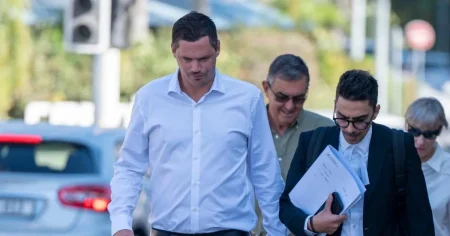
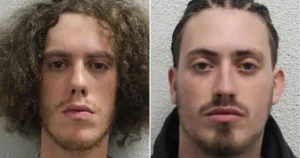
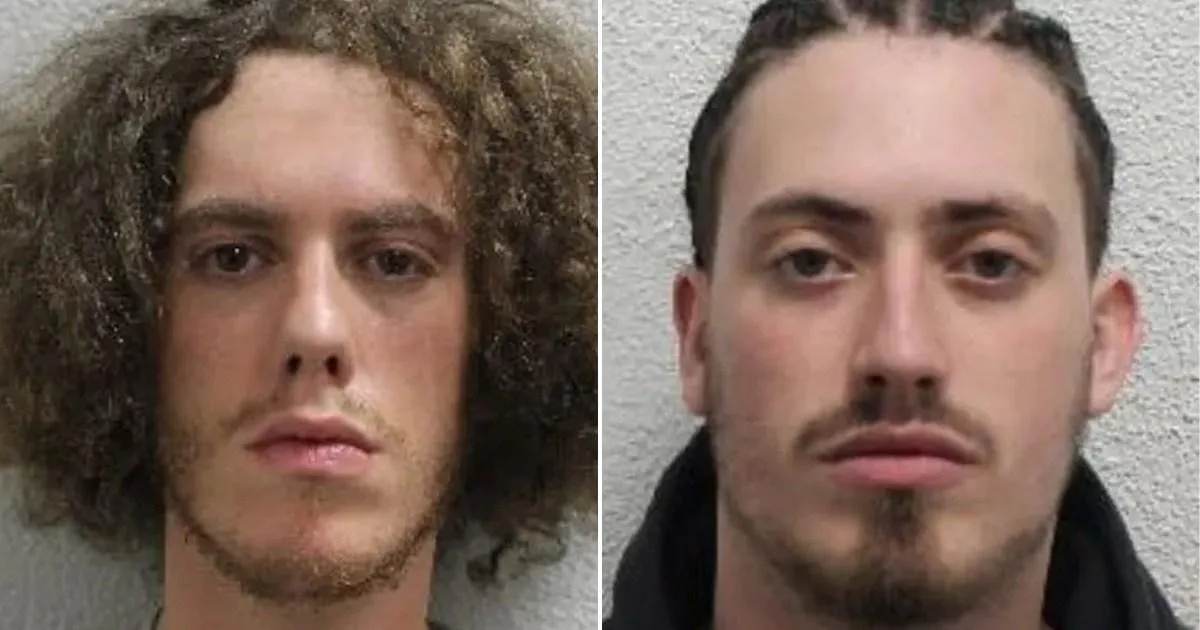
The legal aftermath took time, but eventually justice was served. In November 2023, the Rakik brothers initially pleaded not guilty, claiming they had been forced to carry out the crime under duress. That claim did not stand up to scrutiny, and in January 2025, they changed their pleas to guilty. Bilal Rakik and Zachariya Rakik admitted to kidnapping, blackmail, and possession of an imitation firearm with intent to cause fear of violence. The court heard that neither brother had any previous convictions, and that both were still young enough that their brains had not fully matured at the time of the offence. But the judge was not swayed by these mitigating factors. The crime had been planned, deliberate, and deeply cruel, and it had subjected an innocent man to hours of terror. Bilal Rakik was sentenced to seven years, two months, and 21 days in prison. His brother Zachariya Rakik was sentenced to seven years and 30 days. The judge also imposed a 10-year restraining order, forbidding both brothers from contacting Ali Almafraji directly or indirectly. It was a sentence that acknowledged the severity of what they had done, while also signalling that the law would not tolerate such a brazen attack on an innocent person’s safety and freedom.
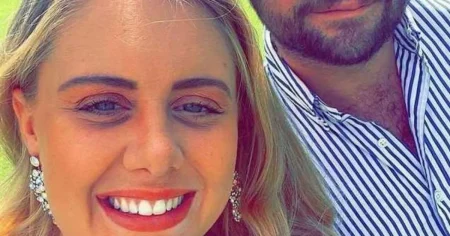
For Ali Almafraji, the scars of that night will not simply disappear now that his attackers are behind bars. To be kidnapped, threatened with a gun, and told you will be killed by sunrise is a trauma that stays with a person long after the physical ordeal is over. He was a victim chosen at random, targeted simply because someone thought he might have money. He did nothing wrong, and yet he was forced to spend hours in fear for his life, all because two men decided that their greed was more important than his humanity. The case is a stark reminder of the dangers that can lurk behind seemingly innocent online interactions, especially when people use dating apps and social platforms to connect with strangers. It also highlights the incredible work of the police officers who risked their own safety to save him. The Flying Squad’s swift and decisive action turned a potential tragedy into a rescue, and their professionalism deserves every word of the judge’s praise. As for the Rakik brothers, they now have years behind bars to reflect on the choices that led them to that dark night in Lewisham. They had no previous convictions, no history of violence, and perhaps no idea how far they would go until the moment came. But that is no excuse. They chose to terrify a stranger, to threaten his life, and to torment his friends. For that, they will pay a heavy price, and Ali Almafraji can finally begin to move forward, knowing that the men who tried to destroy his world are no longer free to harm him or anyone else.