

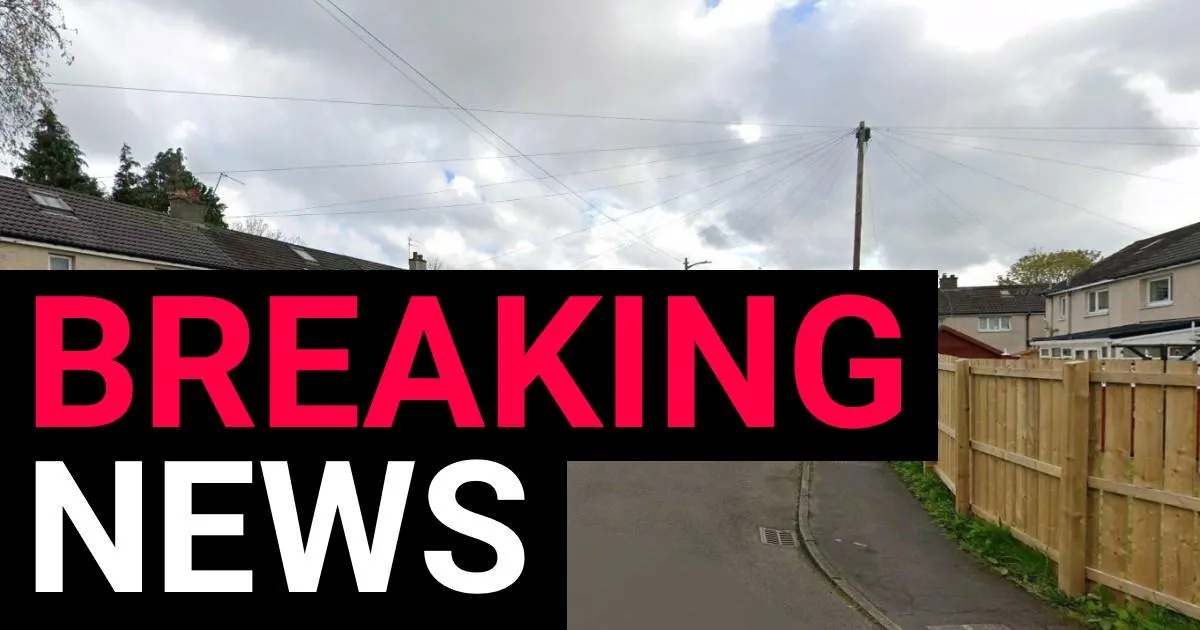
On the morning of Monday, 26 October 2026, a peaceful Glasgow neighbourhood was turned upside down in an instant. At approximately 9:55am, police were called to a property on Mybster Place after reports that a two-year-old boy had been attacked by a dog. The child was bitten and immediately taken to hospital for treatment. Not long after, Police Scotland confirmed that the dog involved had been euthanised. The boy’s current condition was not revealed, leaving a painful question mark over the story that so many have read with worry and dread. This is the kind of news that stops parents in their tracks. It reminds us, with brutal clarity, how vulnerable a small child truly is. A toddler is still learning the world. They do not yet understand danger. They cannot read a dog’s body language, cannot tell when an animal is agitated or frightened. They only know that something big, furry and perhaps familiar to them has suddenly caused pain. The screams that must have filled that house on Mybster Place are impossible to imagine, but they are not impossible to feel. We have all heard a child cry out in fear. We have all felt that surge of adrenaline that comes when something threatens someone we love. For the parents of this little boy, the moment must have been absolute horror. The official statement from Police Scotland was brief, but its emotional weight is enormous. A child is in hospital. A dog is dead. A family is waiting. A street is shaken. All of that is packed into a short news update that cannot possibly capture what those first minutes were actually like.
Police Scotland released a statement that offered the facts without elaboration. “Around 9.55am on Monday, 26 October, 2026, we were called to a report of a two-year-old boy being attacked by a dog within a property on Mybster Place in Glasgow. The dog was euthanised. Enquiries are ongoing.” These words are cold and precise, as they must be in an official investigation. But behind the formality lies a scene that no sentence can properly describe. “Euthanised” is a clinical term. It suggests a quiet, humane ending, perhaps one that is decided calmly and carried out with care. But the reality is that this dog was put down in the aftermath of a violent incident, not long after a child’s blood was drawn. The animal, whatever its breed, whatever its history, no longer exists. There is grief in that, too, even if we do not feel comfortable acknowledging it. Perhaps the dog was loved. Perhaps it was a pet, a companion, a part of the family. Perhaps it was a sudden attacker, an animal whose behaviour took everyone by surprise. We do not know. The police have not said. What we do know is that this event did not happen in a vacuum. It happened inside a home, which means there are memories attached to every wall. There may be scratches on the floor, a dog bed in the corner, toys scattered around, a child’s fingerprints on furniture. The aftermath of an attack like this leaves a home feeling haunted. For the boy’s parents, every sight of that room, every memory of that morning, will be layered with fear and guilt and confusion. “Enquiries are ongoing” may be the official turn of phrase, but for a family, the enquiries happening inside their own hearts are far more complicated and far less likely to ever be resolved.
A dog attack on a small child stirs powerful emotions in us all. It is natural to feel anger toward the animal, to imagine it as monstrous, and to say that it deserved what happened. But if we humanize this story properly, we must also consider the dog with a degree of nuance, even if that makes us uncomfortable. Dogs are not people. They do not wake up in the morning and decide to commit an act of cruelty. They live in a world of instinct, survival, fear, protection and reaction. A dog that bites a child may be acting out of territory, pain, confusion, or a response to a sudden and unpredictable movement. Toddlers are small, loud, unsteady, and curious. They do not understand that pulling a tail, grabbing an ear, or approaching a dog while it eats could trigger a defensive response. The dog, from its own limited perspective, may have seen the child as a threat or a prey-like moving creature. This does not make the attack acceptable or excusable. It does not reduce the harm done to the child. But it helps us understand that the dog was not necessarily wearing a mask of evil. It was an animal, and animals can be unpredictable, especially when pushed beyond their tolerance. The officers who made the decision to euthanise the dog were not acting out of vengeance. They were acting out of a duty to protect the public. In any situation where a dog severely injures a young child, authorities are likely to determine that the animal cannot safely remain alive. That decision, while understandable, carries its own quiet tragedy. It means that a life, whether beloved or unclaimed, was ended because of a few seconds of violence. It also means the family may now carry the loss of a pet alongside the trauma of a child’s injury. If the dog belonged to them, or to someone close to them, the grief is layered in complex ways. There is the terror of what happened, the gratitude that the child is still alive, and then the strange, guilty sadness of mourning an animal that caused so much hurt.
For the little boy, the road ahead is long. A dog bite can cause devastating physical injuries, especially to a child so young. The skin might tear, the underlying muscle and tissue might be damaged, and the risk of infection is high. He may need surgery, stitches, cleaning, bandages and antibiotics. He may be left with permanent scars that will mark his small body for life. But the physical wounds are only the beginning. A child who has been through a traumatic attack may carry emotional scars that are far more difficult to treat. He may develop a fear of dogs. He may cry at the sight of any animal. He may have nightmares, trouble sleeping, and a lingering sense of panic that he cannot explain because he does not yet have the words for it. His parents will also be changed. The moment they learned what happened to their child will be seared into their memory forever. They may blame themselves, even if there was nothing they could have done. They may replay the morning over and over, wondering if they could have heard a warning sign sooner, if they should have kept the dog in another room, if they should have been standing closer. This is the cruel math of parenthood: the self-blame arrives even when the accident was impossible to foresee. They will spend hours in a hospital waiting room, watching the clock, holding each other’s hands, trying to hold back tears that refuse to stay hidden. They will speak to doctors, answer questions, sign forms, and nod at explanations, all while their hearts are pounding out of their chests. And none of that duplicated in any news article. The police report does not mention the trembling hands of a father or the silent prayers of a mother. But those things are there, on the other side of the page, just out of sight.
This incident also forces the wider community, and all of us who read about it, to sit with some difficult questions. How can we protect children from dog attacks? How can we tell when a dog is becoming uncomfortable, anxious, or aggressive? How can we teach very young children to be safe around animals in a way they can actually understand? There is no simple answer. Every dog is different, and every child is different, and every situation has its own set of circumstances. In the aftermath of an attack like this, there is often a temptation to single out certain breeds and label them as dangerous. But experts have long argued that focus should be on individual behaviour, training, supervision and responsible ownership rather than breed alone. The law in the United Kingdom, particularly the Dangerous Dogs Act, has drawn both support and criticism for its approach. Some argue it protects the public from known dangerous breeds. Others say it gives a false sense of security and unfairly punishes dogs and owners who have done nothing wrong. In this case, the breed of the dog has not been released. The police have not confirmed whether the dog belonged to the boy’s family or to someone else. They have not said whether the dog had a history of aggression. Those answers may come in time. For now, all we can do is hold the child in our minds, and reflect on the broader lessons. Children need to be taught that not every dog wants to be hugged, that not every animal is friendly, and that sometimes the safest way to show love to a pet is to give it space. Parents and caregivers, in turn, must be aware of the warning signs: a stiffened body, a low growl, a tail tucked between the legs, lips drawn back, ears pinned. Recognising these signs in time on prevent tragedy. But that knowledge is not always enough. A fast-moving child and a startled dog can be a combination that even the most careful adult can’t control. We will never know what happened in those moments before the bite, but we know that it changed everything.
And so, as the story continues to unfold, we are left with more unknowns than certainties. We do not know how the boy is doing today. We do not know whether he is still in hospital, or whether he has been allowed to go home. We do not know if he is sleeping peacefully or waking up in fright. We do not know whether his injuries are healing, both inside and out. All of these questions hang in the air like a held breath. The investigation remains open, and perhaps in the coming days more light will be shed on the circumstances. But no amount of investigation can undo what has happened. A child has been hurt. A dog has been destroyed. A family has been forever altered. Mybster Place will carry the echo of that Monday morning for a long time. Neighbours will remember the sirens, the quiet aftermath, the closed curtains. Strangers who read the news will pause and think about their own children, their own pets, their own homes. It is sad that such a small event on paper can contain such an overwhelming amount of pain. But the human capacity for compassion is just as enormous. If we can offer anything to that family, it is not our opinions or our explanations. It is our empathy, our patience, and our quiet hope that the little boy will heal, that his parents will find strength, and that in time the fear will loosen its grip. He is just two years old. He has his whole life ahead of him. The best ending to this story would be one in which he recovers, grows, laughs, and one day finds that dogs no longer terrify him. It may take a long time. It may not be easy. But it is possible. And for now, as police continue their work and the family continues its vigil, all we can do is hold that possibility in our hearts and remember that behind every headline there is a real child, real parents, and a real community trying to pick up the pieces of a broken morning.