
As the UK enters its fifth heatwave of an already sweltering summer, the atmosphere across the country has shifted from typical seasonal anticipation to a state of collective fatigue. After enjoying a brief, final night of respite from the stifling conditions, millions of Britons are waking up to a stark reality: the landscape is parched, the reservoirs are low, and the mercury is once again on a steady climb. With London and much of the country officially categorized as being in a drought, the prospect of another spike in temperatures brings with it a sense of apprehension rather than delight, as the cumulative effect of a record-dry July continues to weigh heavily on the nation’s infrastructure and spirit.
The severity of the situation is reflected in the official response, as the UK Health Security Agency (UKHSA) has issued widespread heat health alerts spanning from this morning through Friday evening. Most of England is currently blanketed under an amber warning, signaling a significant risk to health, while the North East remains under a yellow alert. Officials have been quick to broadcast common-sense advice—reminding us to hydrate frequently, keep our homes cool, and look after those among us who are more vulnerable—yet there is a palpable sense that these small, routine precautions are struggling to keep pace with an increasingly unpredictable climate.
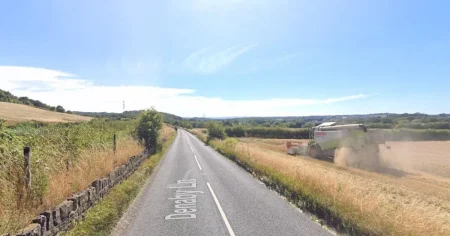
The visual evidence of this “flash drought” is startling, as once-vibrant green spaces have been replaced by dry, golden-brown grass that leaves the countryside looking more like an African savannah than the British Isles. The Environment Agency reports that over 70% of England is now in a state of drought, a condition exacerbated by the rapid combination of minimal rainfall and soaring temperatures. From the East Midlands down to the South Downs, the cumulative lack of rain for over a month has left the earth brittle and dry, creating a tinderbox environment where the smallest spark can lead to catastrophic consequences.
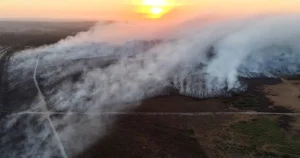
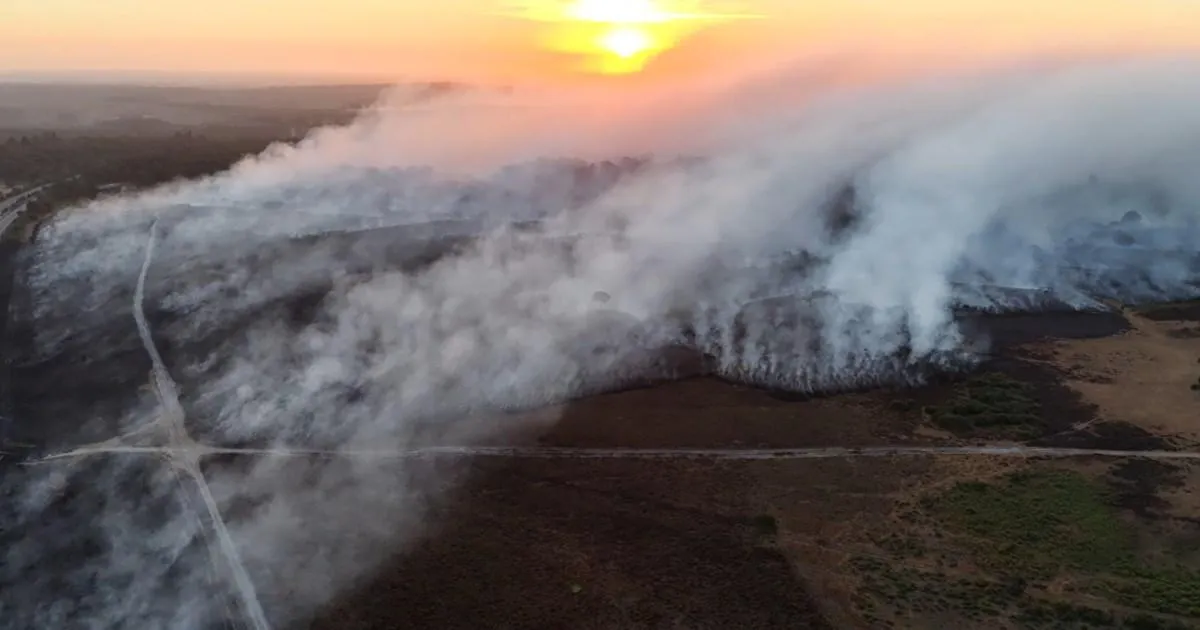
These consequences are already being felt on the front lines, most notably in the New Forest. A devastating wildfire, sparked by a vehicle incident, has consumed an area of protected heathland equivalent to more than 140 football pitches. Firefighters have spent grueling shifts battling the blaze, contending with shifting winds and the logistical nightmare of navigating dry, uneven terrain. Even with police drones pinpointing hotspots, the exhaustion of the crews is evident. Across the country, from South Wales to Nottinghamshire, the story is the same: brave responders are working around the clock to contain blazes that feel less like isolated accidents and more like a systemic response to a changing environment.
The Fire Brigades Union has been vocal in framing these events as something beyond simple misfortune. They argue that the frequency and intensity of these wildfires are undeniable markers of climate change, placing our firefighters on the front lines of an escalating global crisis. It is a sobering perspective that shifts the conversation away from the temporary inconvenience of hot weather toward a much longer, more difficult discussion about how we must adapt our lives and landscapes to withstand a future where these heatwaves are no longer the exception, but the rule.
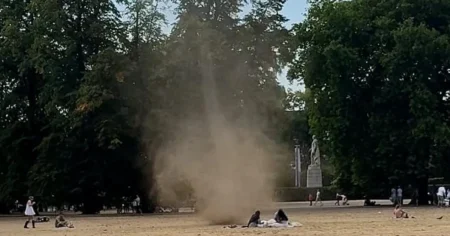
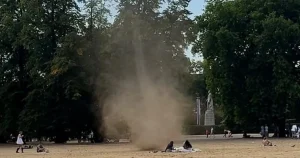
As we navigate the coming days, the heat remains a constant, looming pressure. Whether it is the visual shock of dusty, yellowed city parks or the unsettling sight of “dust devils” spinning through urban centers, the impact of the heat is woven into the fabric of daily life. For now, the priority remains survival and community solidarity. We are all being asked to stay vigilant, check on our neighbors, and acknowledge the exhaustion of those working to keep our communities safe. It is a summer that will be long remembered, not just for the heat, but for the resilience it has demanded of everyone.