


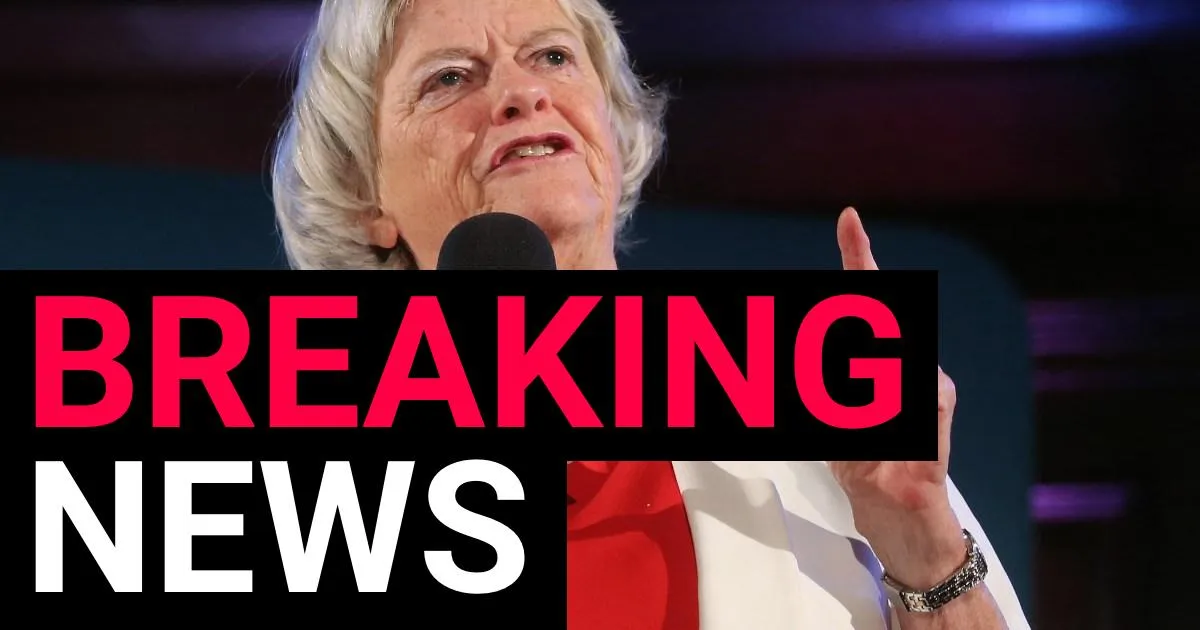
The tragic passing of Ann Widdecombe has left the public and the political community in a state of profound shock. A well-known figure who transitioned from a long career as a Conservative MP to a vocal presence for Reform UK, Ann was a person whose public life was marked by both serious parliamentary debate and the lighthearted entertainment of shows like Strictly Come Dancing. The news that her life was cut short in such a violent manner at her home in Dartmoor has left many struggling to comprehend the senseless nature of the tragedy. Her absence was first noted when she failed to attend a scheduled online interview, prompting a welfare check that led to the heartbreaking discovery of her body in her own kitchen.
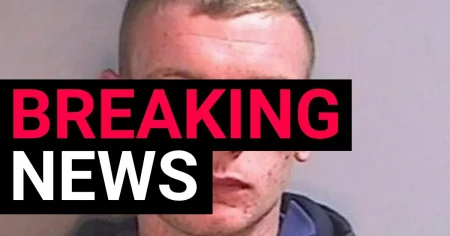
As the legal proceedings unfold, the details presented at Westminster Magistrates’ Court are deeply harrowing. Joshua Kerry, a 28-year-old from Rotherham, stands accused of entering Ann’s home while she was eating lunch and committing a brutal, premeditated attack. According to the prosecution, the assault was swift and devastatingly violent, ending only minutes after it began. The chilling nature of the event—that someone could allegedly invade the sanctuary of an elderly woman’s home and depart so quickly after such a severe act—has added a layer of profound distress to an already grieving nation. Mr. Kerry remains in custody, with the legal system now tasked with ensuring that justice is served through a fair and thorough process.
Beyond the immediate facts of the murder charge, the case has taken on a more complex and concerning dimension. It has been revealed that Mr. Kerry was also arrested on suspicion of involvement in terrorism-related activities. While he has not yet been charged with these offenses, the investigation is actively exploring potential political motives behind this horrific act. This development has sent ripples of anxiety throughout the political sphere, forcing authorities to seriously reassess the vulnerabilities faced by public figures. There is a palpable sense that the line between public life and personal safety has been blurred, leading to urgent discussions about how to better protect those who serve in representational roles.
The impact of this loss is felt not only by those who knew Ann personally but also by the wider public who felt they knew her through her various television appearances. Whether one agreed with her political stances or simply remembered her as a lively, unconventional personality on Celebrity Big Brother, the loss of an older woman under such circumstances is inherently distressing. The coroner’s report, which confirmed that she was found unresponsive with severe injuries, underscores the suddenness and cruelty of her final moments. As the community of Haytor and the rest of the country mourn, the focus has shifted toward acknowledging her legacy while also grappling with the dark reality of her final hours.
In response to the tragedy, high-level officials, including key figures in government, have voiced the need for a comprehensive review of safety measures for those in public office. The conversation has moved beyond simple security protocols, touching on the broader, more frightening concern of targeted attacks against politicians and public figures. Authorities are now coordinating with the Speaker of the House to ensure that every possible protection is available to elected officials. It is a somber reminder that the roles these individuals play often come with risks that are too infrequently discussed until a moment of crisis forces them into the light.
As the legal journey ahead begins, the emphasis remains on allowing the justice system to do its work without being hindered by inflammatory commentary. The authorities have explicitly requested that the public and media refrain from spreading speculation that could prejudice the trial, acknowledging the weight of the charges and the rights of the accused to a fair process. For now, the focus remains on honoring Ann’s life and memory while the investigation works to piece together the motives behind a crime that has left a community devastated and a nation questioning the sanctity of the domestic sphere. The echoes of this tragedy will likely resonate for a long time, serving as a grim focal point for debates on safety, security, and the increasingly fraught nature of public life.