

The United Kingdom finds itself in the grip of a profound environmental crisis, as an unprecedented heatwave continues to scorch the nation, leading to widespread wildfires, a devastating drought, and an urgent governmental response. In a clear acknowledgment of the severity of the situation, Prime Minister Andy Burnham is set to chair an emergency meeting of the government’s Cobra committee. This high-level session, scheduled for Wednesday afternoon, brings together key ministers from the Department for Environment, Food and Rural Affairs, the Home Office, and the Department for Health, alongside agencies like the Environment Agency. The meeting aims to coordinate a national response to the compounding challenges of extreme heat, as forecasters predict temperatures will climb to a sweltering 33°C on Wednesday, potentially reaching a scorching 38°C by Thursday.
This Cobra meeting marks the second of its kind this year, the first having been convened during a heatwave in June. It underscores a summer that is on track to be the hottest on record, with parts of the country already experiencing their fifth heatwave of the season. The government’s decision to convene this emergency body reflects a growing recognition of the immense strain being placed on public services, infrastructure, and the natural environment. A spokesperson for Downing Street acknowledged that firefighters, farmers, and NHS staff are all facing immense challenges directly connected to the persistent and extreme weather conditions. The national conversation has shifted from merely complaining about the heat to confronting a tangible emergency that is reshaping the landscape and demanding a coordinated, strategic response.
The visual evidence of the crisis is stark; much of the UK’s once-lush landscape has transformed into a dull, parched brown, with countless streams and lakes drying up completely. This is not merely an aesthetic change but a symptom of a severe hydrological deficit. Nearly three-quarters of England and the entire country of Wales are now officially in a state of drought, following a record-dry July and an exceptionally arid start to August. The combination of low rainfall and sustained high temperatures has placed immense pressure on water resources, impacting agriculture, wildlife, and domestic water supplies. Farmers are struggling to sustain their crops and livestock as reservoirs dwindle, and the parched earth becomes increasingly vulnerable to the slightest spark, creating the perfect conditions for wildfires to ignite and spread with terrifying speed.
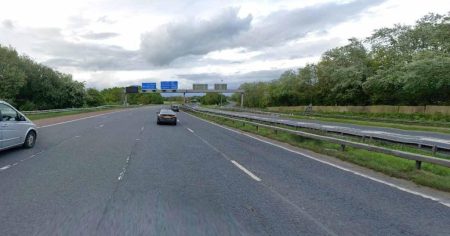
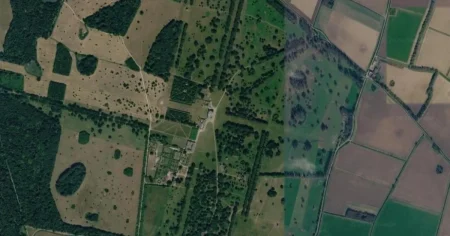
The danger is being felt most acutely on the frontline, where firefighters are battling blazes across the country. Steve Wright, the general secretary of the Fire Brigades Union, has issued a stark warning that the UK is facing a “national emergency right now” due to the sheer number and intensity of the fires. The statistics are sobering: firefighters have responded to 966 wildfires across England and Wales this year, with July being the busiest month on record for such incidents. The strain on fire services is immense, as crews from various counties are being deployed to protect heathlands, forests, and residential areas. In one incident, crews from the Hampshire and Isle of Wight Fire and Rescue Service battled a major fire in the New Forest, a protected area teeming with rare species, which ignited after a van caught fire on a main road. Each blaze threatens not only the immediate area but also precious ecosystems and biodiversity that have been carefully preserved for generations.
The human toll of this prolonged emergency is significant, extending beyond the physical danger of the flames. The government has recognized the immense pressure on the National Health Service, with hospital A&E units reportedly busy dealing with the health impacts of the heat, from dehydration and heatstroke to exacerbations of respiratory and cardiovascular conditions. In response, the government has urged the public to heed health alerts from the UK Health Security Agency, advising people to stay hydrated and to look out for vulnerable family members, friends, and neighbours. There is a collective sense of responsibility being called for, as communities are asked to check in on the elderly, the young, and those with pre-existing health conditions who may be at particularly high risk from the extreme temperatures. These alerts are not just bureaucratic advisories; they are crucial lifelines for preventing a public health catastrophe as the mercury continues to climb.
In a bid to address the immediate and long-term challenges, the government has announced a significant investment of £97 million to upgrade national firefighting capabilities. This funding is intended to provide fire services with modern equipment, including off-road vehicles and specialist gear designed to combat wildfires in challenging terrains. However, critics argue that while this is a welcome step, it is a reactive measure to a crisis that demands more proactive climate action. The rare amber “extreme heat” warnings issued by the Met Office for large parts of England, including London, the South East, the East and West Midlands, and South Yorkshire, are a stark reminder of the new normal. As the nation braces for another day of potentially record-breaking temperatures, the meeting of the Cobra committee is a pivotal moment. It is a recognition that these are not isolated weather events but a collective national challenge, requiring a coordinated effort to safeguard communities, protect the environment, and manage the vast infrastructural and human resources that are being so severely tested by this relentless and historic summer.