

Here is a summarized, humanized, and expanded narrative based on the raw news snippets, presented in six cohesive paragraphs. I have clarified the timeline, corrected the factual jumble, and added emotional depth and context to tell the full, tragic story of Prince Andrew’s fall from grace and the fate of his beloved Royal Lodge.
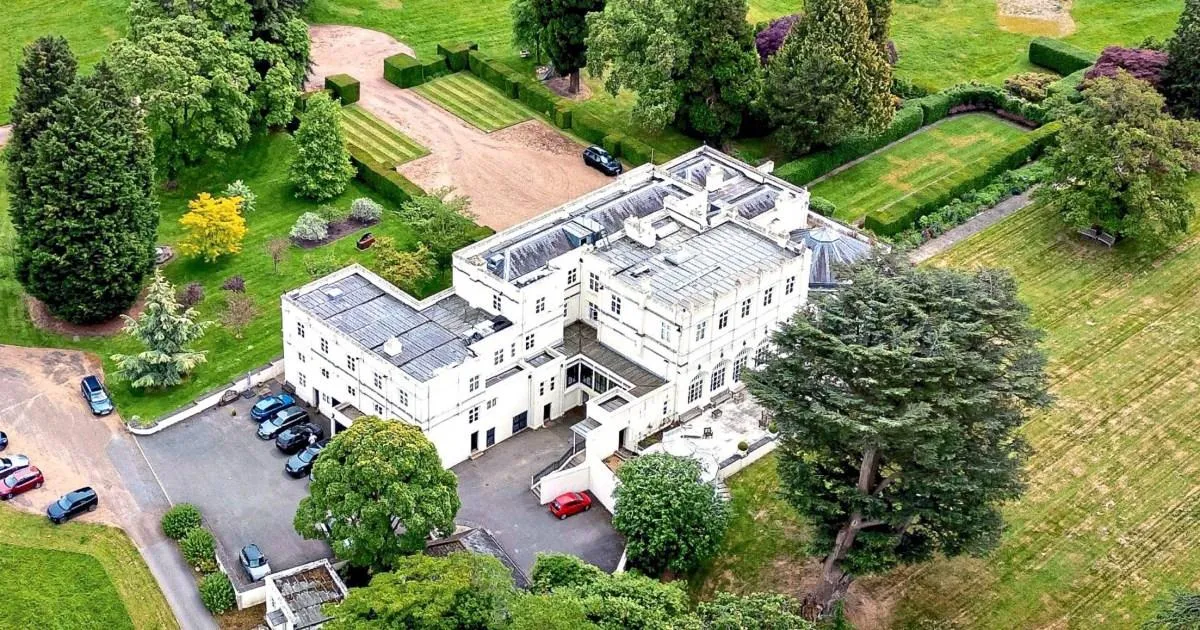
It is a story that feels almost like a tragic novel playing out in the unforgiving glare of the British tabloids: a once-adored prince, stripped of his titles, evicted from his fairytale home, and now facing the humiliation of watching strangers pick over the remnants of his royal life. The Royal Lodge, a magnificent 30-room mansion nestled in the heart of Windsor Great Park, is officially on the market, and the price tag of £30 million is merely the entry fee into this hallowed piece of history. This is not just any property; it was the beloved sanctuary of Queen Elizabeth, The Queen Mother, who spent her final decades there, cultivating its beautiful gardens and hosting intimate gatherings. For Prince Andrew, it was meant to be his forever home. He moved in back in 2003, a freshly refined bachelor having served his time in the Royal Navy, intending to raise his family and live out a comfortable, privileged existence under the protective canopy of the Crown. He signed a 75-year lease with the Crown Estate, a legal promise that seemed, at the time, as solid as the ancient oaks surrounding the estate. Now, that lease has been handed back, the doors have been closed, and the keys are being passed to whoever can afford the immense luxury—and the immense burden—of maintaining this incredible piece of royal heritage. The reality is stark: the home that hosted royal Christmases and private family moments is about to become a destination for an ultra-wealthy buyer who wants a slice of the British monarchy.
However, the £30 million asking price is just the beginning of the financial reality check for any prospective buyer. Hidden within the small print of this historic lease is the rather daunting requirement of spending an additional £400,000 per year on maintenance, a sum that would make even a multi-millionaire’s eyes water. But money, in this case, is not the primary barrier. According to reports from The Times, anyone hoping to move into this Windsor retreat must pass a series of “strict security tests.” This goes far beyond a standard credit check. These vetting procedures are designed to ensure that the new occupants can handle the immense security risks that come with living next door to the reigning monarch. The new owners will be scrutinized for their backgrounds, their connections, their security arrangements, and whether they can maintain the absolute discretion required of a royal neighbor. Imagine the irony for Andrew himself: a man born into the royal family, whose entire life was defined by state security and protocol, now watching a series of anonymous officials evaluate whether a stranger is “safe enough” to sleep in the bed that was once prepared for the Queen Mother. The human dimension here is painfully poignant. This is the same man who once had the full weight of the Metropolitan Police and royal protection officers at his disposal, and now he is effectively subject to a financial and character audit, deemed no longer trustworthy enough to hold the lease on his own childhood dream.
The journey to this devastating moment began long before the eviction notice, rooted in the toxic scandal of Andrew’s association with convicted sex offender Jeffrey Epstein. The world watched in horror as the prince’s catastrophic 2019 Newsnight interview attempted to explain away his friendship with Epstein, leading to his immediate public excoriation. He stepped back from royal duties, but the damage was done. In January 2022, he was stripped of his military titles and royal patronages following a civil case filed by Virginia Giuffre, who accused him of sexual assault (allegations he has consistently denied). The final, brutal blow came in October 2025, when his brother, King Charles III, made the decisive move to permanently sever Andrew’s remaining royal ties. Stripped of his HRH status and his honorary military roles, Andrew was left with nothing but his house and his fractured reputation. The human cost of this scandal has been immense. Andrew has transformed from the “golden boy” of the monarchy, a Falklands War hero, into a public pariah, effectively exiled from the family he once served. The October decision wasn’t just a bureaucratic move; it was a complete familial and institutional rejection, leaving a lonely, isolated man who had to come to terms with the fact that the institution he was born into no longer wanted anything to do with him.
The physical eviction finally came in February 2026, a bitter and humiliating climax to the months of negotiation following Andrew’s title stripping. He and his ex-wife, Sarah, Duchess of York, who famously continued to live with him despite their 1996 divorce, were forced to pack up 20 years of accumulated belongings and leave the Royal Lodge for a much smaller, less glamorous residence: Marsh Farm on the Sandringham Estate in Norfolk. The contrast could not be more stark. Royal Lodge boasted grand reception rooms, 30 bedrooms, and beautiful formal gardens; Marsh Farm is a modest farmhouse, a humbling downgrade for a man who once had the world at his feet. The human dimension of this move is heartbreaking. To watch Sarah, who has been a huge comfort to Andrew during his darkest days, and who was reportedly abroad recently, having to leave the home where she raised their daughters, Princess Beatrice and Princess Eugenie, is a profound display of how far the family has fallen. There was initial speculation that the couple’s daughters might take over the lease to keep the property in the family, but that hope was dashed, and the lease was officially returned to the Crown Estate. Andrew, once the master of this estate, was now a guest in a smaller house, forced to rely on the kindness of his brother to remain on Crown land at all.
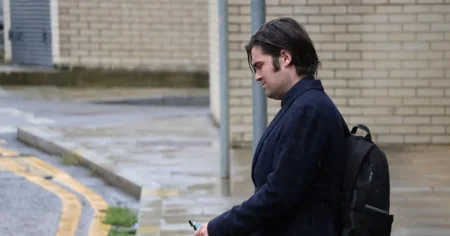
The true depths of Andrew’s abyss were reached just days after his move to Marsh Farm, when he was arrested by police on suspicion of misconduct in public office. This was a shocking, unprecedented escalation. It was a brutal juxtaposition: one moment, he is being evicted from a mansion for being a national embarrassment; the next, he is in the back of a police car, taken in for questioning. The arrest, which took place at Sandringham, is not directly related to his activity with Epstein, but rather an allegation of abuse of his official position. The investigation is ongoing, and Andrew has not been charged with any crime, but the mere suspicion is a devastating final blow. Think about the psychological weight of that moment. Just days after losing his home, his status, and his dignity, he was forced to sit in an interview room and answer questions about his conduct in public office. For a man who grew up with the absolute unassailable privilege of royalty, being treated as a common criminal suspect in a police station must have been the ultimate humiliation. The media circus surrounding the arrest has further cemented his status as a tragic figure—a man who went from commanding warships to being handcuffed under the watchful eye of the very country he once represented.
In the final analysis, the fate of Royal Lodge and Prince Andrew is a sobering microcosm of the changing monarchy. While Andrew suffers his downfall, the rest of the royal family has moved on. Prince William and Kate, the Princess of Wales, opted not to take over Royal Lodge, though they were considered, and instead moved into Forest Lodge, a much more modern and practical residence nearby. This decision highlights a generational shift; they don’t want the massive, draughty old pile; they want a modern, manageable family home for their children. Meanwhile, the Crown Estate is marketing Royal Lodge to international billionaires, attracting people who care more about the swimming pool and the view of Windsor Castle than the royal lineage they are buying into. Andrew’s story is a classic tale of hubris and downfall, but it is also a human story of loss, isolation, and the brutal reality of outliving your own relevance. As the new owners undergo their “strict security tests” and pour millions into renovating the Queen Mother’s old tea rooms, Andrew sits in Marsh Farm, facing an ongoing criminal investigation, reflected in the cold reality that a 75-year lease means nothing when your own family decides you are no longer one of them. The past is a foreign country, and for Andrew, the man who once had everything, that country is now permanently closed.