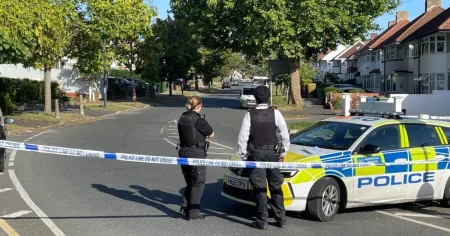



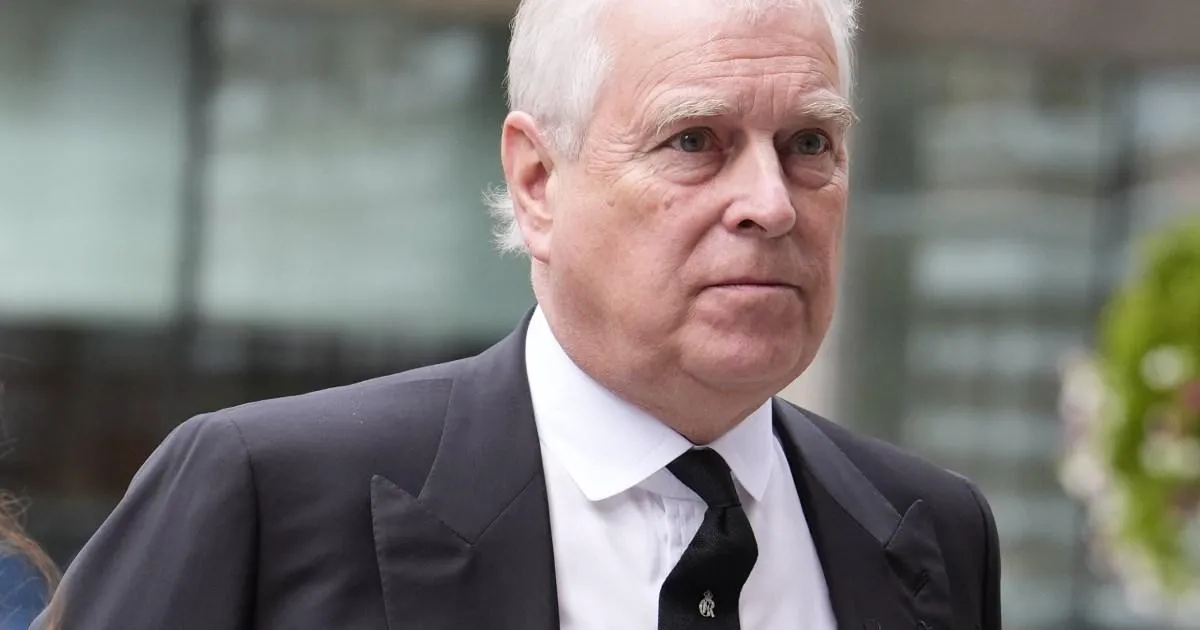
The recent legal proceedings at Westminster Magistrates’ Court have brought to light a disquieting incident involving Prince Andrew, the former Duke of York. While walking his dogs near his residence at the Sandringham estate in Norfolk this past May, Andrew found himself in a confrontation that felt far removed from the security typically afforded to members of the royal family. According to his official statement, what began as a routine afternoon stroll took an alarming turn when he noticed a stranger behaving in an erratic manner that immediately signaled danger. The encounter, which has since led to criminal charges, offers a rare, grounded look into the personal vulnerability that can occasionally pierce the bubble of high-level protection.
The narrative provided by Andrew describes a moment of sudden, palpable tension. He had initially dismissed a stationary vehicle nearby, assuming it belonged to members of the press, a nuisance he has grown accustomed to over decades in the public eye. However, the situation escalated rapidly when a man—later identified as 39-year-old Alex Jenkinson—emerged wearing a balaclava. Andrew noted that the man seemed fundamentally “out of place,” and the atmosphere shifted from one of routine privacy to one of urgent alarm as Jenkinson reportedly recognized him and began sprinting toward the security team’s vehicle. This sudden pursuit left the former Duke feeling deeply threatened, leading to the subsequent legal intervention.
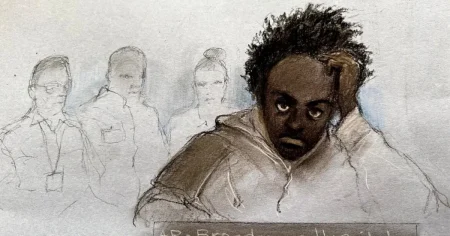
The legal fallout has been complex, involving both criminal charges and a push for a civil Stalking Protection Order. Alex Jenkinson, originally from Stowmarket, is currently facing allegations of using threatening, abusive, or insulting language intended to cause fear of unlawful violence. The severity of the situation is reflected in the conditions of his bail, which are exceptionally stringent; he is strictly prohibited from approaching any royal residences, including Buckingham Palace and Windsor Castle, and is forbidden from making any contact with Andrew. While Jenkinson has pleaded guilty to a separate charge of failing to provide a blood sample, he firmly denies the stalking and public order charges, setting the stage for a trial scheduled for late December.
The court proceedings themselves have proven as unconventional as the incident in Norfolk. During a recent hearing, the atmosphere turned strained when Jenkinson arrived at the courthouse accompanied by his dog, Indie. His legal counsel explained that Jenkinson, who is currently homeless and residing in a Travelodge, had no means of leaving the animal behind. His lawyer further cited that Jenkinson suffers from ADHD, implying the dog serves as a necessary support animal. However, Judge Tan Ikram remained unmoved by the request, noting a lack of formal documentation to verify the medical necessity of the dog. Consequently, the request was denied, highlighting the difficult intersection of mental health struggles, homelessness, and the rigid formalities of the British legal system.
Behind the headlines of royalty and stalking charges lies a more human story of instability and confrontation. For Prince Andrew, the incident serves as a stark reminder of the unpredictable nature of public life, even in the seclusion of a private estate. For Jenkinson, the situation is framed by personal hardship—a life currently lived in temporary accommodation, underscored by struggles with mental health and a contentious legal battle that will now extend into the new year. As the courts prepare for a December trial and subsequent hearings in early 2024, both men are effectively tethered to the outcome of this singular, frightening moment in a quiet Norfolk field.
Ultimately, this case serves as a sober reflection on how the lives of the famous and the invisible can collide in unexpected and distressing ways. While the former Duke of York expects to provide his evidence via videolink, the public is left to observe a case that has become a logistical and emotional test for the judiciary. Whether regarding the validity of the stalking claims or the sympathetic realities of the defendant’s homelessness, the court will have to navigate a labyrinth of personal testimonies and behavioral assessments. As the legal gears grind on, the incident at Sandringham remains a somber illustration of the fragility of safety and the complicated path to justice in a high-profile case.