

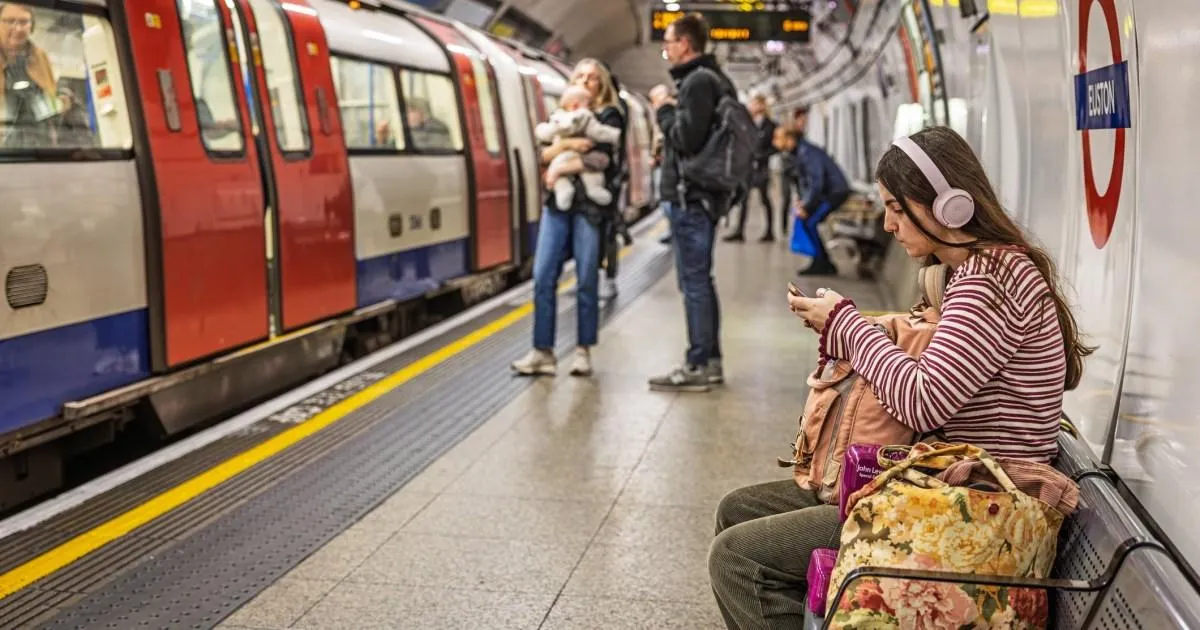
After a brief, blissful weekend of seamless travel across the capital, Londoners are once again facing the familiar frustration of major disruptions on the Tube network. For anyone planning to navigate the city this coming weekend, Transport for London (TfL) has issued a stern warning: check your routes before stepping out the door. The primary culprit for this weekend’s travel headaches is the Piccadilly line, which is slated for comprehensive engineering works that will result in significant closures. While the city often manages these maintenance projects with surgical precision, the scale of this particular operation is set to test the patience of commuters and weekend explorers alike, reminding us all that the aging veins of our city require constant, sometimes intrusive, attention to keep moving.
The most substantial blow to travel plans affects the core of the Piccadilly line, with a total suspension of service between Cockfosters and Heathrow. From the early hours of Saturday morning through to the end of service on Sunday, those hoping to catch a flight or traverse town will find themselves needing alternative arrangements. While a limited service will struggle on between Acton Town and Uxbridge, the backbone of the line will be effectively broken for the weekend. To further complicate the schedule, TfL has announced a complete closure of the entire Piccadilly line during the “night owl” hours of 12.30am to 4.30am. For the night-shift workers and late-night revelers, this means the need for careful coordination and, likely, an expensive taxi ride home.
Beyond the headline-grabbing Piccadilly line closures, travelers should be aware that the disruption is not confined to one sector. Ongoing upgrades mean that westbound trains will continue to bypass Barons Court station, a temporary measure that is scheduled to persist through November. Additionally, Finsbury Park station—a major hub for North London—will remain shuttered for the duration of the weekend. TfL’s advice is simple but essential: build in significant extra time for your journey. Whether you are heading to the airport or just meeting friends for brunch, the combination of bus replacements and diverted routes means that the “get there in twenty minutes” mentality will undoubtedly lead to disappointment this Saturday and Sunday.
The ripple effect of maintenance extends well beyond the Piccadilly line, affecting various corners of the London Overground and the wider network. On Sunday, the DLR will see a gap in service between Tower Gateway and Shadwell, while the Overground’s Lioness and Windrush lines face their own specific suspensions and route diversions. The District line, as noted, remains under a long-term restriction at Barons Court, and the Mildmay line will see evening closures on Sunday. As always, the Waterloo and City line will remain firmly closed, consistent with its standard weekend policy. For the average passenger, this necessitates a deep dive into the status apps or the TfL website before committing to any travel plans, as the network effectively becomes a patchwork of obstacles.
This weekend’s travel chaos arrives against a backdrop of increasing scrutiny regarding TfL’s financial health and operational transparency. Recent headlines have been dominated by the staggering revelation that fare dodging is costing the network £165 million annually—a figure that effectively cannibalizes the additional revenue generated by recent fare hikes. Critics, such as Ameer Kotecha of the Centre for Government Reform, have pointed out the glaring irony: everyday passengers are told that higher ticket prices are a necessary evil to fund improvements and maintain infrastructure, yet a significant portion of that capital is essentially leaking out of the system due to poor enforcement. This has left many Londoners feeling frustrated, questioning whether their increased contributions are truly being utilized to build a better, more reliable network or if they are simply subsidizing an inefficient system.
Ultimately, while the engineering work is vital to keeping our city’s subterranean arteries functioning for the future, the human cost is measured in missed appointments, delayed departures, and the general fatigue of living in a metropolis under construction. The contrast between these logistical struggles and the publicized financial mismanagement creates a sense of disillusionment among the public. As we navigate the labyrinthine detours this weekend, we are reminded that London is a living, breathing machine that demands constant care. Until that care is delivered with more transparency and less frustration, we must continue to pack our patience as firmly as our belongings, remaining vigilant in our journey planning while hoping that these current upgrades eventually live up to the promise of a more reliable, efficient, and cost-effective commute.