



2024 has been a year etched in global memory, marked by epoch-making events that reshaped the world stage. From the unexpected return of Donald Trump to the US presidency to the health battles faced by King Charles and Princess Kate, and the dramatic collapse of the Assad regime in Syria, the year has been a whirlwind of change. While these historic moments dominated headlines worldwide, a collection of more peculiar and often humorous stories also captured public attention. These ranged from a pole vaulter’s Olympic aspirations being thwarted by an unfortunate anatomical interference to the United Kingdom finding itself metaphorically “double-fisted” by converging weather systems. This compilation revisits some of the most memorable headlines of 2024, highlighting the lighter side of the news cycle.
One headline that generated considerable buzz online was Metro’s playful description of the UK being “double-fisted” by snow and ice. The evocative imagery of the phrase, though unconventional for meteorological reporting, captured the public’s imagination and even prompted a response from the Met Office, which clarified that such terminology was not within their official lexicon. This incident exemplifies how a creative and slightly risqué headline can elevate a relatively mundane weather report into a viral sensation. The humor derived from the unexpected juxtaposition of a colloquialism with a serious weather event contributed to its widespread sharing and discussion on social media.
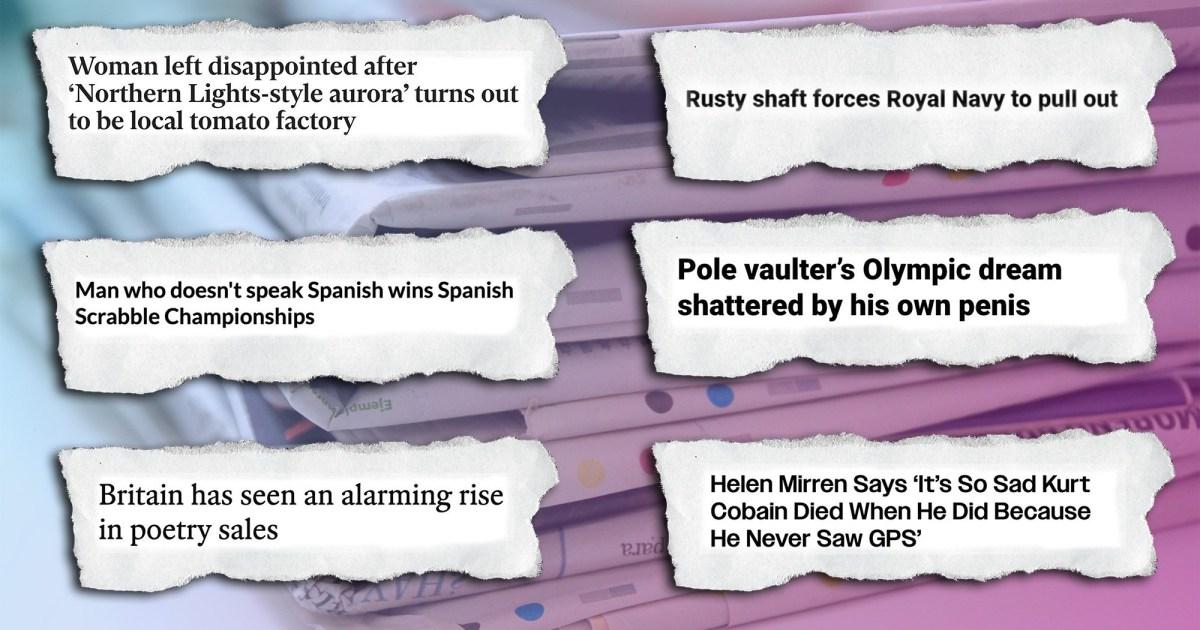
Another headline that showcased the power of wordplay was Metro’s report on the Royal Navy’s predicament with the HMS Queen Elizabeth. The aircraft carrier, due to participate in a major NATO exercise, was forced to withdraw due to a “rusty propeller.” Metro’s headline, “Rusty shaft forces Royal Navy to pull out,” cleverly utilized the double entendre to inject humor into the situation. This headline not only conveyed the essential information about the ship’s withdrawal but also entertained readers with its suggestive phrasing. This lighthearted approach to reporting on a potentially significant military setback was well-received by the public.
International affairs also provided fodder for intriguing headlines. The Times reported on a rather unique claim made by French spies, who asserted immunity to honeytraps due to the alleged tolerance of their wives towards extramarital affairs. This assertion, inspired by a popular French television series about espionage, sparked a debate on the cultural nuances surrounding infidelity and its potential implications for national security. The headline, “French spies claim immunity to honeytraps as their wives already know they have affairs”, captured the essence of this intriguing cultural commentary. The story offered a glimpse into the perceived complexities of relationships within the French intelligence community and generated discussion about the ethical and practical considerations of such arrangements.
Adding to the collection of bizarre headlines was Sky News’ report on a pigeon suspected of espionage. Indian authorities detained the bird for eight months after discovering “Chinese” characters on rings attached to its legs. This incident highlights the heightened anxieties surrounding international relations and the lengths to which countries go to protect their security. The headline, “Pigeon suspected of being Chinese spy released by police in India after being detained for eight months,” encapsulates the absurdity of the situation, where a seemingly innocuous bird became embroiled in international intrigue. This story resonated with audiences because of its inherent peculiarity and the unexpected turn of events, with the pigeon eventually being identified as a racing bird from Taiwan.
The realm of sports also contributed a memorable headline, courtesy of Metro. French pole vaulter Anthony Ammirati’s Olympic dreams were dashed in a most unfortunate manner, with his own anatomy causing his downfall during a crucial jump. The headline, “Pole vaulter’s Olympic dream shattered by his own penis,” while undeniably blunt, captured the essence of the unfortunate incident with a touch of dark humor. The story, while sympathetic to the athlete’s plight, also highlighted the unpredictable nature of live sports and the sometimes-comical ways in which things can go awry.
Finally, a heartwarming story from The New York Times provided a welcome respite from the more dramatic headlines of the year. The headline, “Welsh Tidy Mouse’ Tidies Tiny Welsh House,” tells the tale of a mouse discovered tidying up a shed in Wales. This charming story of an unexpected helper brought a touch of whimsy to the news cycle and reminded readers of the simple joys that can be found in everyday life. The story of the meticulous mouse captivated audiences with its inherent sweetness and provided a welcome contrast to the often harsh realities of the news.
These headlines, ranging from the humorous to the bizarre, represent a small sample of the diverse stories that captured public attention in 2024. They serve as a reminder that even amidst global events of significant importance, there is always room for the unexpected, the unusual, and the occasionally amusing. The headlines highlighted here demonstrate the power of clever wording, unexpected juxtapositions, and a touch of humor to elevate even the most mundane or unusual news items into memorable and shareable stories. They offer a snapshot of the year’s events through a different lens, reminding us of the diverse tapestry of human experience and the often-surprising ways in which it unfolds.