

The United Kingdom is currently enduring a summer defined by relentless, record-breaking heat, with the Met Office signaling that we are on the verge of experiencing the hottest season since records began. Despite the year being relatively young, the data is stark: if temperatures remain even slightly near their long-term average for the remainder of August, we will surpass the previous record established just last year. This isn’t merely a statistical anomaly; it is a profound shift in our climate. Across England and Wales, where temperatures have consistently trended two degrees Celsius above historical averages, the landscape is gasping for relief, and the atmosphere feels increasingly heavy with the weight of an unprecedented, prolonged heatwave.
This week, the nation faces its fifth major wave of extreme temperatures, prompting the Met Office to issue urgent amber “extreme heat” warnings across London, the South East, the East Midlands, and beyond. Forecasters predict that mercury levels could climb as high as 38°C in certain spots by Thursday. Met Office chief forecaster Chris Bulmer explains that while this specific spike may be shorter in duration than the grueling heatwaves of mid-summer, the intensity remains dangerous. High-pressure systems are drawing scorching air from continental Europe, effectively turning the UK into a tinderbox and placing significant strain on the infrastructure, agriculture, and daily routines of millions of citizens.
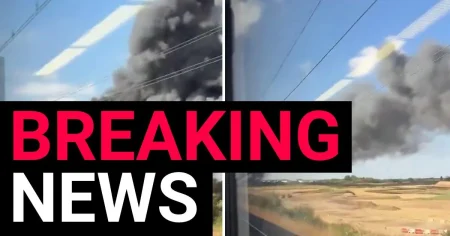
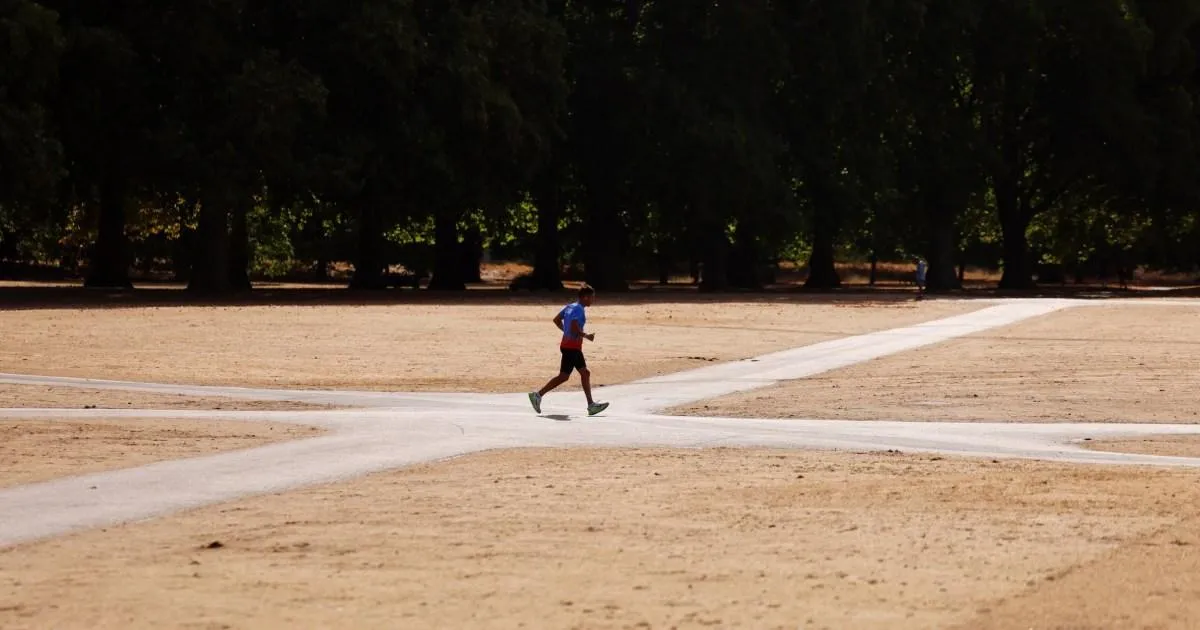
The environmental cost of this heat is visible to anyone who steps outside. Over 70% of England is currently suffering from a “flash drought,” a rapid drying of the land that has turned the once-vibrant green British countryside into a parched, desolate landscape. Our waterways—the ponds, lakes, and rivers that define our geography—are shrinking, leaving the environment in a state of crisis. This lack of moisture, coupled with soaring temperatures, has created a sustained wildfire risk. Firefighters, who have already endured their busiest July on record, were forced to battle 185 wildfires in the first ten days of August alone, illustrating just how vulnerable our dry, brittle terrain has become.
Beyond the scorched earth and the withered crops, there is a very human cost to this emergency. We are witnessing the grim reality of climate change, driven largely by our continued reliance on fossil fuels. The human toll is already staggering; heatwaves earlier this year claimed over 2,800 lives, a sobering reminder that extreme heat is not just a nuisance, but a lethal threat. As public health officials scramble to mitigate the damage, they are urging the public to take basic, vital precautions: staying hydrated, seeking shade during the peak of the day, and—perhaps most importantly—checking on neighbors, friends, and the vulnerable who are at the highest risk from these suffocating conditions.
The term “flash drought” is becoming a frequent feature of our lexicon, describing a phenomenon that develops with terrifying speed when extreme heat mirrors a total absence of rainfall. While it is easy to view these warnings as routine weather updates, the cumulative effect of these repeated heatwaves suggests a structural change in our climate that we are struggling to adapt to. The strain on our water resources is reaching a breaking point, affecting household consumption and the natural environment alike. The frequency of these events—five distinct rounds of intense heat in one season—indicates that the “record-breaking” summer of 2026 is a signal of a new, more volatile environmental reality that we must navigate with greater urgency.
As we look toward the final days of August, there is little hope for the cool, temperate respite we once associated with a British summer. Instead, we are left to manage the immediate danger of this final, intense heat spike while grappling with the broader implications of a warming planet. The beauty of the season has been overshadowed by the threat of fires and the fragility of our health. As the sun beats down on a dry and thirsty nation, the collective priority must remain the safety of our communities. By staying informed, looking out for one another, and acknowledging the environmental changes happening beneath our feet, we can attempt to weather this season, even as it forces us to confront uncomfortable truths about our future.