


As the sweltering heat of this summer begins to finally wane across London and the South East, residents are facing a harsh new reality: a mandatory hosepipe ban. Thames Water, the region’s primary provider, officially announced these restrictions this week, citing the cumulative strain of weeks of record-breaking heatwaves and an unseasonably dry climate. With temperatures finally dipping back toward more tolerable levels, the supply of water remains in a precarious state. This temporary measure is designed to curb excessive usage, and while the exact end date remains uncertain, it serves as a stark reminder that the impact of our changing climate is no longer a distant threat, but a daily inconvenience that requires our full collective cooperation.
The decision was not made lightly, but the numbers speak for themselves. Thames Water has reported that water demand in the Thames Valley and surrounding Home Counties is currently 10% higher than normal, with Londoners consuming 7% more than their typical daily average. For a city already dealing with its longest dry spell since 2018—having gone over three weeks without any significant rainfall—the system is being pushed to its breaking point. Consequently, the utility company has been working around the clock to manage the infrastructure, but they are now calling on the public to step in and significantly reduce non-essential water consumption to ensure that taps continue to flow for everyone in the coming months.
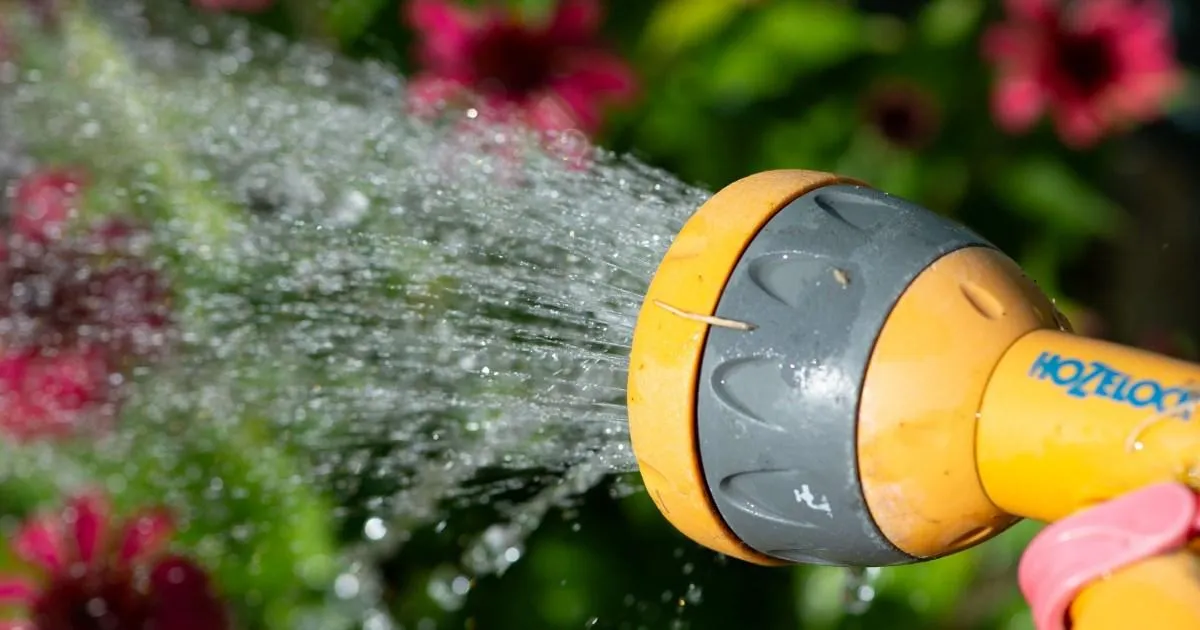
So, what does this ban actually mean for the average household? As of Thursday, the use of hosepipes, pressure washers, and sprinklers for non-essential outdoor chores is officially against the rules. This includes common gardening activities like watering the lawn, washing your car, or filling up those backyard paddling pools and hot tubs that have been popular during the recent heat. However, common sense still prevails; you are more than welcome to use a watering can or a bucket filled from a tap, or utilize stored water from a collection butt. For those who rely on water for their livelihoods, such as professional window cleaners, there are specific exemptions in place, but for the general public, ignoring these rules comes with a heavy price: a potential fine of up to £1,000.
The environmental context behind this move is sobering. Beyond the inconvenience of a brown lawn, the region is grappling with what experts have termed a “firewave.” Because of the prolonged lack of rain and the intense, relentless heat, our forests, parks, and verges have turned into literal tinderboxes. The grass is so incredibly dry that even a small, stray spark—or a carelessly discarded cigarette butt—can ignite a massive wildfire. This is the primary reason why authorities are being so strict; keeping the water supply pressurized isn’t just about domestic use or agriculture, but about ensuring that emergency services have the resources they need to combat these blazes if the worst-case scenario occurs.
Nevil Muncaster, director of strategic water resources at Thames Water, has been transparent about the gravity of the situation. He noted that the company would only take such an invasive step if it were truly necessary to protect the environment and maintain the supply of water for essential human needs. The goal is to keep the taps running while we navigate this precarious period of drought. At the same time, the utility company has been quick to express gratitude to the millions of customers who have already begun voluntarily changing their habits to save water. It is a balancing act of community responsibility, where every person effectively doing a little less leads to a significant difference in the total volume of water preserved for the region.
As we look toward the future, these restrictions serve as a gentle yet firm wake-up call regarding our consumption habits. Affected areas range from the bustling streets of London to the broader regions of Surrey, Kent, Essex, and as far north as Lincolnshire and Northamptonshire. It is a massive swathe of the country coming together to prioritize conservation over convenience. While the ban is labeled as “temporary,” it speaks to a deeper, more permanent need to value our natural resources. For now, the best thing to do is to stay informed, adhere to the local guidelines, and perhaps swap the power-washer for a bucket and cloth, allowing our environment the breathing room it needs to recover from this brutal spell of weather.