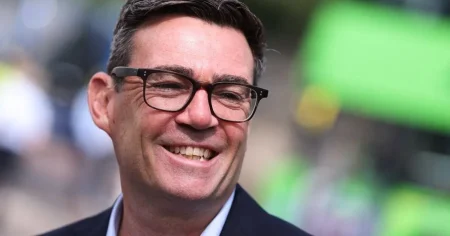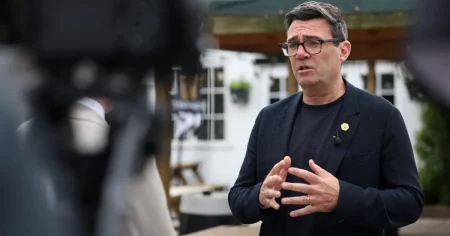



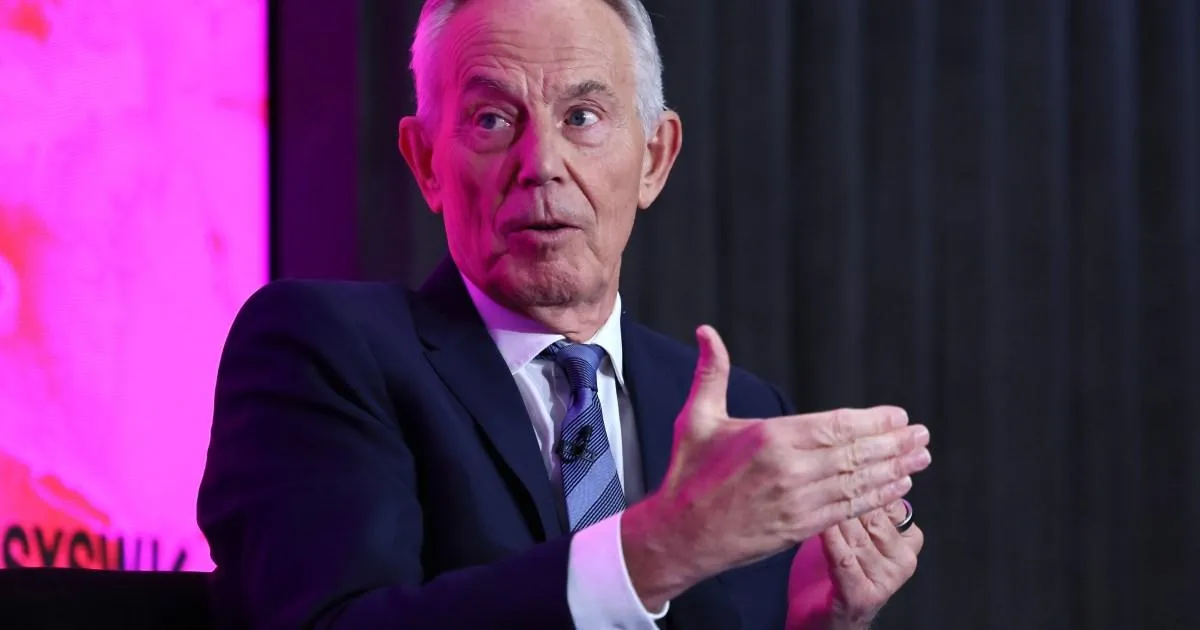
The impending Makerfield by-election has transformed the Labour Party into a pressure cooker, with internal anxieties reaching a fever pitch as various factions clamor for the spotlight. As the party grapples with its future direction, the air is thick with whispers of a potential leadership challenge. Some loyalists hold out hope for a return to a more traditional, grassroots-focused left-wing agenda, perhaps championed by a figure like Andy Burnham. Others pin their aspirations on Wes Streeting to pivot toward a bolder, more market-oriented strategy, while a weary contingent simply wishes for Sir Keir Starmer to be left alone to steer the ship. Just as these factions were locking horns, a familiar, polarising figure emerged from the political wilderness: Sir Tony Blair. With his trademark sharp intellect, the former Prime Minister bypassed the local drama to issue a sweeping, 5,700-word manifesto, effectively declaring that the current menu of leadership options is insufficient for the challenges of the modern era.
While Blair’s intervention is undoubtedly bold, it raises the inevitable question of whether he is the right person to be offering such unsolicited advice. Readers of his lengthy treatise are left with the distinct impression that Blair still sees himself as a viable candidate—a confidence that feels increasingly detached from the current political reality. Furthermore, the timing of his message could hardly be more jarring. As he argued for a retreat from net-zero targets and a more aggressive stance on public spending, the United Kingdom was reeling from record-breaking May temperatures and an agonizing 13% spike in the energy price cap. To many observers, hearing a call to dismantle climate-conscious policies on one of the hottest days on record felt like a tone-deaf performance, highlighting a disconnect between the world as Blair sees it and the urgent, tangible challenges facing the British public today.
Blair’s core message is built around what he calls “Radical Centrism,” a term that sounds sophisticated but, upon closer inspection, feels like a repackaging of his old-guard status quo. His proposals—which include a heavy reliance on artificial intelligence, significantly more aggressive planning deregulation, and a skeptical stance on current environmental commitments—lack the transformative spark the label promises. When he suggests incorporating elements of what could easily be found in a Reform UK manifesto, such as private sector integration into the NHS, deeper welfare cuts, and more draconian measures regarding border security, he isn’t being radical; he is simply drifting further to the right. It is a philosophy that seems trapped in a previous decade, sparking a sense of nostalgia for some while alienating a new generation of voters who are looking for solutions far beyond traditional neoliberal prescriptions.
Despite the criticisms, there is an argument to be made that Blair has inadvertently done the Labour Party a favour. By inserting himself into the discourse, he has forced the current leadership aspirants to stop relying on soundbites, short-form video clips, and superficial social media engagement. He has laid down a gauntlet, demanding a level of intellectual depth that has been conspicuously absent from recent policy debates. Andy Burnham has already signaled his intent to respond with a “considered” counter-argument, and the pressure is now mounting for Streeting and Starmer to do the same. If the end result of Blair’s intervention is a more robust, detail-oriented competition of ideas, then the party will inevitably be better off for it. The era of “politics by TikTok” needs to be challenged, and if a former Prime Minister is what it takes to provoke a more serious discussion about the future of the nation, then the dust-up may prove useful.
What is missing from this entire episode, however, is a genuine connection to the people currently struggling at the grassroots. While the Westminster elite debate the merits of “Radical Centrism” and trade barbs in white-paper manifestos, there is a profound lack of focus on the issues that actually define the voter experience—inequality, the crumbling state of our public services, and the cost-of-living crisis. Figures like Wes Streeting have already pointed out that Blair’s analysis feels strangely blind to the harsh realities of poverty and social stratification. Politics is not just an exercise in academic strategy or a debate about which “ism” sounds most appealing to the centrists; it is a human business that requires an empathetic understanding of the electorate’s struggles. Without that heart, even the most detailed policy proposal is destined to feel hollow.
Ultimately, the circus surrounding the Makerfield by-election—complete with bizarre distractions like a giant fox running for office and the shadow of big-name interventions—serves as a reminder that Labour is at a crossroads. The party doesn’t need to be saved by the return of past icons, nor does it need to succumb to the temptation of drifting into populist extremes to win. It needs a clear, honest, and courageous vision that acknowledges the past but looks squarely at the future. Whether it comes from the current leadership or a fresh face, the goal must be a platform that resonates with integrity and substance. As Blair retreats from the spotlight, the true test for the Labour Party will be whether they can find the discipline to ignore the noise and commit to the hard work of building a plan that truly serves the people it exists to represent.