


For decades, a profound and painful silence hung over the lives of approximately 185,000 women and their children—a silence finally broken today by a long-overdue national reckoning. In an emotional session of Parliament, Prime Minister Keir Starmer extended a formal, heartfelt apology on behalf of the United Kingdom for the legacy of forced adoption. Between 1949 and 1976, an era defined by rigid social stigmas and systemic cruelty, unmarried mothers were systematically pressured, coerced, and manipulated by official bodies into relinquishing their infants. This was not a series of individual choices, but a structural failure; these young women were often told they were immoral, stripped of their agency, and led to believe that their children would be better off removed from their care. Today, that narrative was finally rewritten by the highest office in the land.
The human cost of these policies is almost impossible to quantify, yet it resonates in the fractured identities of thousands of families. For the mothers, the experience was one of state-sanctioned gaslighting—they were forced to carry the weight of an “abandonment” that was, in reality, a theft. Many lived their entire lives under the crushing burden of misplaced shame, branded by a society that punished them for their circumstances. For the adoptees, the trauma manifested as a lifelong search for their own history, often growing up with the haunting, incorrect belief that they were unwanted. As the Prime Minister rightly observed, labeling this chapter a “stain on our history” is not merely political rhetoric; it is an acknowledgement of a moral vacuum where compassion, consent, and dignity were entirely abandoned.
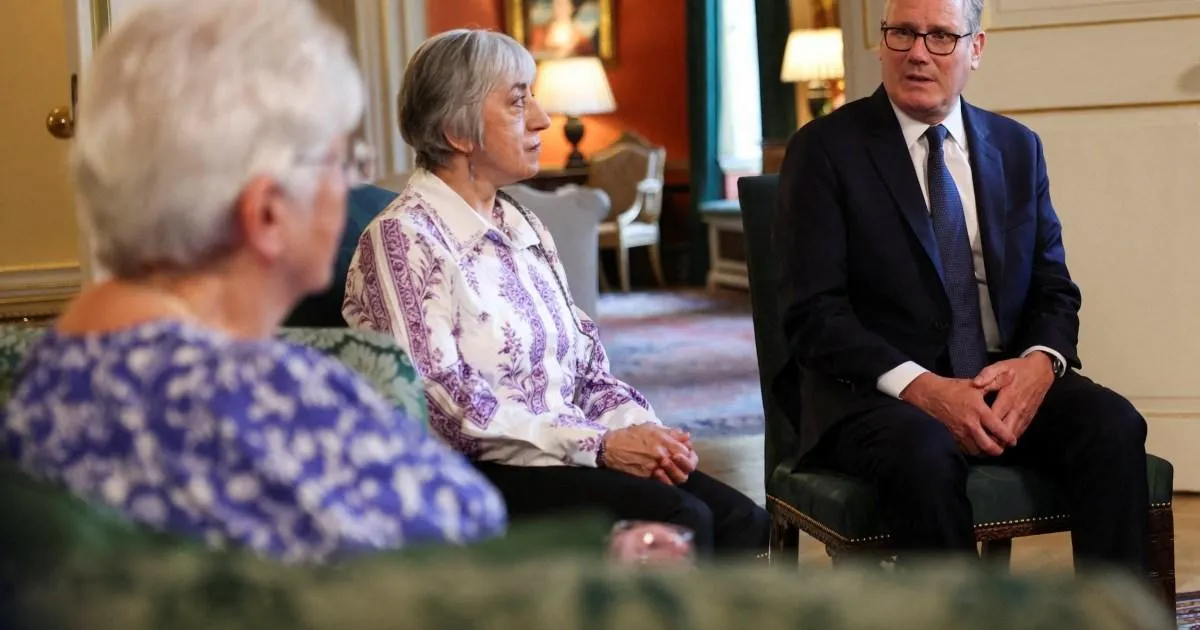
A particularly poignant moment occurred when Sir Keir addressed the campaigners watching from the gallery, looking directly at those whose lives were permanently altered by these heartless practices. His words, “The shame is not yours. The shame was never yours. The shame is ours,” were designed to dismantle decades of psychological torment. By placing the burden of guilt where it truly belongs—on the institutions and societal structures that wielded power without empathy—the Prime Minister offered a critical step toward healing. This sentiment was echoed by former Labour MP Ann Keen, among many others, who have spent years fighting for this validation. For them, this apology is not just a piece of paper; it is a declaration of innocence that releases them from the self-blame they were forced to carry as young, vulnerable women.
This apology did not manifest in a vacuum; it was the final result of years of tireless, agonizing advocacy by mothers and their families who refused to let the truth disappear. While the Scottish and Welsh governments took the lead in 2023, the UK-wide acknowledgement serves as a necessary consolidation of truth. The trauma of forced adoption occurred across local authorities, faith-based institutions, and health services that operated under a cloak of authority, effectively silencing the cries of those they were meant to support. By finally confronting these historical failures, the government is acknowledging that the state’s duty of care was replaced by a destructive arrogance that prioritized “moral” conformity over human connection.
Beyond the symbolic act of saying “I am sorry,” the government has committed to tangible steps to assist those still seeking closure. Recognizing that the wound of separation often remains raw, the Prime Minister announced plans to improve access to adoption records and establish a national online resource dedicated to helping adoptees locate their birth families. These practical measures are a vital acknowledgment that for these individuals, the “past” is not behind them; it is a present reality in the form of missing medical histories, lost relationships, and unanswered questions about their heritage. Facilitating the reunion of these families—or at least providing them with the truth of their origins—is the essential next step in moving beyond the apology.
Ultimately, today’s proceedings represent a closing of a dark chapter, but they also serve as a reminder of the importance of institutional oversight and human rights. When power is exercised without transparency or compassion, the individuals governed by those systems become disposable, a lesson this country continues to learn through various historical inquiries. While a formal apology cannot restore the years of stolen motherhood or the decades of separation between parent and child, it does offer a collective recognition of the truth. By acknowledging the damage, the nation has at last begun to affirm the dignity of those who were treated as invisible, ensuring that the legacy of this injustice is finally being met with the compassion and honesty it has always deserved.