


Here is a summary of the situation, written in a human, conversational tone and structured into six paragraphs.
The landscape of British immigration policy is currently defined by a sense of tactical maneuvering and unanswered questions. Home Secretary Shabana Mahmood has officially introduced a new Immigration and Asylum Bill to Parliament, aiming to codify changes that couldn’t be handled via minor rule tweaks or secondary legislation. While many of the harsher asylum restrictions—such as the 30-month limit on refugee status and the ability to deny support—were already enacted earlier this year through administrative measures, this new bill digs deeper. It seeks to establish an Independent Immigration Appeals Authority (IIAA) and fundamentally adjust how the legal system interprets Article 8 of the European Convention on Human Rights, moving far beyond the scope of previous announcements.
Perhaps the most controversial aspect of this bill is the introduction of policies that feel like “wildcards,” added at the eleventh hour. Among the most striking measures is a student loan-style repayment scheme, which would require refugees to pay back £10,000 toward their living costs once they cross a certain earnings threshold after being granted status. Furthermore, the government intends to empower the IIAA to appoint members of the public to handle asylum cases in a magistrate-like capacity. While the Home Office insists these citizens will be rigorously trained and supervised to maintain high standards, the move has raised eyebrows. In a nation where the topic of asylum is a lightning rod for intense political polarization, the idea of having peers decide life-altering asylum applications remains incredibly sensitive.
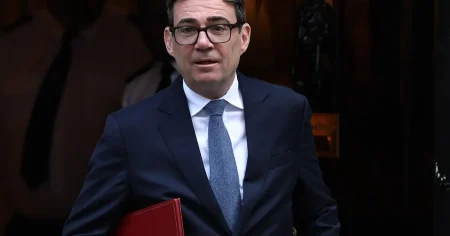
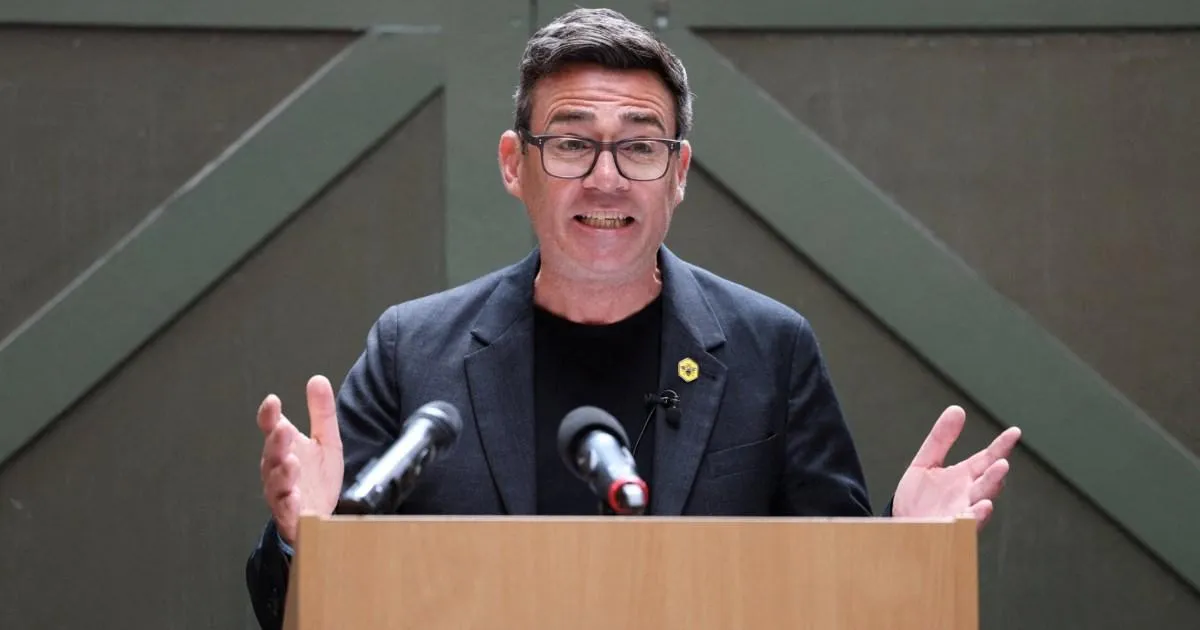
Amidst this legislative upheaval, the silence from prominent political figures is becoming increasingly difficult to ignore. Andy Burnham, who recently delivered a high-profile speech that many viewed as a warm-up for his projected move to 10 Downing Street in July, curiously failed to mention immigration at all. This omission is striking given that voters consistently rank the issue as one of their primary concerns. Aside from a vague remark to the BBC last month expressing support for the “broad thrust” of Mahmood’s general approach, Burnham has remained remarkably tight-lipped. This leaves the public—and his own party members—forced to guess where he actually stands on the specifics of this overhaul.
The lack of clarity from prospective leadership has created a vacuum that is rapidly being filled by critics. Figures such as Labour peer Lord Alf Dubs, himself a refugee who arrived via the Kindertransport, have joined forces with Green Party leader Zack Polanski to call for these reforms to be scrapped entirely. They argue that the current direction of policy is fundamentally at odds with humanitarian values, particularly when it comes to the proposed repayment schemes and the dilution of legal appeal standards. Because Burnham has yet to delineate which parts of the policy he endorses and which he might potentially challenge, he is currently facing pressure from all sides to take a firmer stand.
As we look toward the July 20 deadline, the political narrative feels like a game of cat and mouse. Burnham has several more speeches scheduled, and political watchers are waiting to see if he will finally address the elephant in the room. For now, the government is moving full steam ahead with its legislative agenda, seemingly betting that the administrative and legal weight of this new bill will provide the “capacity” and “efficiency” they claim the system currently lacks. Yet, by bypassing the typical debate and layering on new financial burdens for refugees, they are undoubtedly deepening the divide in public opinion.
Ultimately, this bill serves as a snapshot of a government trying to project strength and control over its borders while navigating a public that is deeply fractured over the ethics of asylum. Whether these changes will actually streamline the backlog, as the government promises, or simply create new layers of legal and social friction, remains to be seen. As the bill works its way through Parliament, the focus remains fixated on whether the next generation of leadership will continue this aggressive shift or attempt to pivot toward more measured solutions. For now, we are all left waiting for the next shoe to drop, hoping that the rhetoric of “securing borders” doesn’t entirely eclipse the human reality of those caught in the crossfire.