

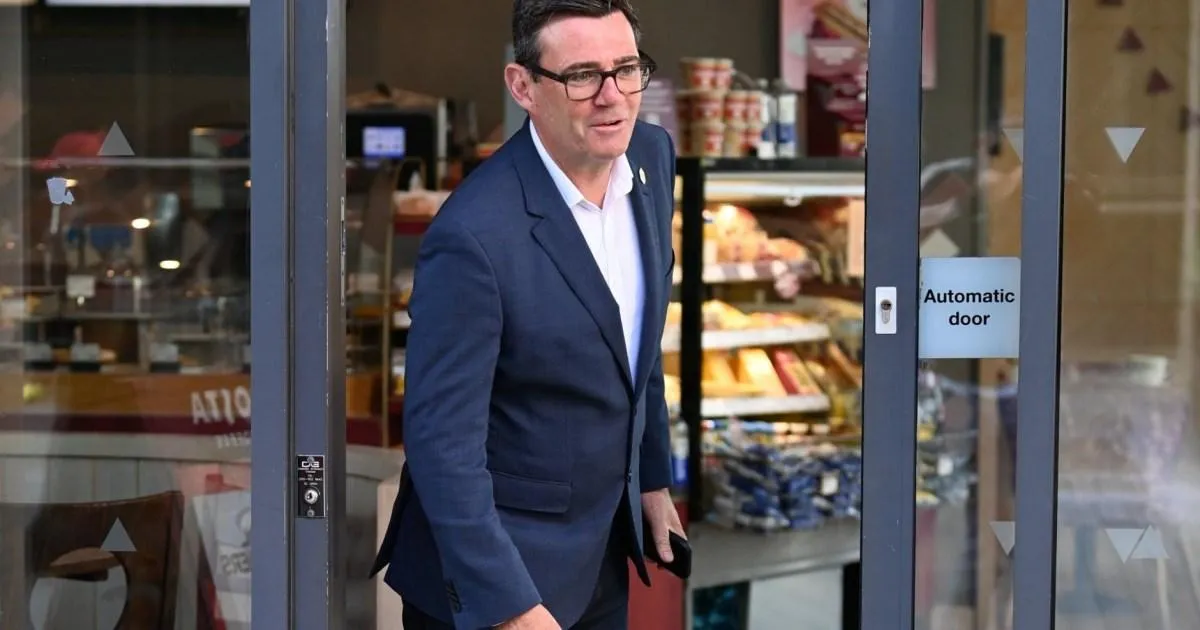
The nature of modern political campaigning is often frantic, defined by high-stakes encounters between candidates and the public. Recently, Greater Manchester Mayor Andy Burnham found himself in the crosshairs of this intensity while canvassing for the Makerfield by-election. In an age of social media, where a single viral clip can define a narrative, the importance of asking the right questions has never been more vital. While engaging with officials is a hallmark of a healthy democracy, it requires a foundation of accuracy and a genuine desire to seek truth, rather than merely creating an online spectacle.
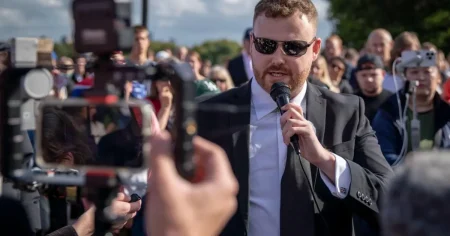
The incident in question involved a passerby who confronted Burnham about his alleged lack of support for rape gang inquiries. The exchange was captured on video and circulated on platforms like X, fueling a narrative of obfuscation. The man behind the camera aggressively challenged the Mayor, demanding to know why he did not support a rape gang inquiry. Crucially, this is where the gap between internet rhetoric and historical fact became apparent. Burnham, maintaining his composure, immediately corrected the premise, stating clearly that he had ordered such an inquiry shortly after taking office in 2017.
The tension in the video highlights a recurring problem in political discourse: the tendency to prioritize sensational accusations over established evidence. When the challenger pressed Burnham on why the inquiries hadn’t taken place, the Mayor pointed him directly to the published results concerning Manchester, Oldham, and Rochdale—reports that have already led to new charges. Burnham later noted that the individual filming was not a local resident seeking answers, but a political activist from outside the region. This interaction serves as a stark reminder that while local issues demand vigorous scrutiny, political theater can sometimes hijack the platform meant for genuine constituent concerns.
To understand the substance behind this confrontation, one must look at the timeline. Shortly after his election in 2017, Burnham tasked Baroness Beverley Hughes with a preliminary review regarding child sexual exploitation (CSE). This move paved the way for a series of independent investigations spearheaded by experts like Malcolm Newsam and Gary Ridgway. These efforts produced substantial reports in 2020, 2022, and 2024, detailng the systemic failures of authorities and police. It is a complex, sobering chapter in Greater Manchester’s history, and the reports have been instrumental in shedding light on how these victims were fundamentally let down by the institutions meant to protect them.
The discourse surrounding these investigations is understandably nuanced, with figures like former detective constable Maggie Oliver—a prominent advocate for victims—offering a balanced critique. While she has praised the thoroughness of several of these reports, she has been simultaneously critical of others, particularly the scope of the 2022 Oldham inquiry. Her involvement underscores that the pursuit of justice is not a monolith; there is space for legitimate, rigorous disagreement regarding how these inquiries are handled. Burnham himself has acknowledged the inherent limitations of local reviews, noting that they lack the power to legally compel testimony, which is why he eventually pivoted to supporting a broader national inquiry.
Ultimately, the goal of any public confrontation should be to move the conversation forward, not to spread misinformation regarding settled investigations. When Sir Keir Starmer later announced a national inquiry into CSE, it served as a recognition that the scale of the issue often surpasses what local government can manage alone. The incident in Makerfield reminds us that while we must hold our leaders accountable, we must also ensure that our inquiries are rooted in the reality of what has been done and what remains to be achieved. Progress on such heavy, sensitive topics is rarely found in soundbites, but rather in the slow, difficult process of review, report, and reform.