

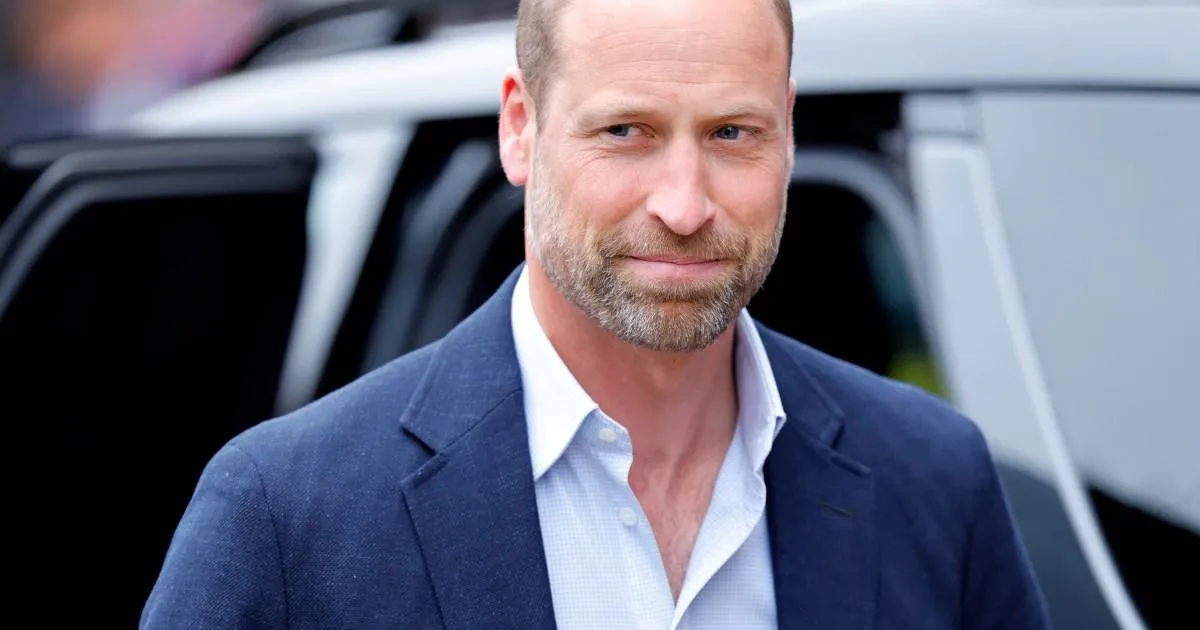
Prince William is clearly looking toward the future, signaling a transformative era for the British monarchy that prioritizes accountability and modern standards. As the future King, he is actively seeking to redefine how the royal family operates, moving away from archaic traditions that no longer resonate with the public. His vision involves a leaner, more efficient institution, with a primary focus on tightening the reins on the extensive royal property portfolio. By distancing the monarchy from the opaque and often controversial financial arrangements of the past, William aims to ensure that the institution remains both relevant and respected in a rapidly changing social landscape.
The recent controversy surrounding Prince Andrew has acted as a catalyst for these proposed shifts. Revelations that Andrew sublet cottages on the Royal Lodge estate—pocketing around £180,000 annually while paying only a nominal “peppercorn” rent—have drawn sharp public criticism. While experts note that these arrangements were technically within his legal rights under older lease agreements, the optics are undeniably poor. William is reportedly determined to “draw a line” under such practices, signaling that when he ascends to the throne, the days of profiting from state-subsidized assets will come to an abrupt and permanent end.
Navigating this transition will require a delicate balance of firmness and tact. Royal historian Richard Fitzwilliams notes that William understands the challenge of dismantling systems that have been in place for decades. The Prince recognizes that what was once considered “the done thing” in royal circles is now seen as being completely out of touch with contemporary values. By shifting toward a more transparent model, William is not just changing rules; he is acknowledging that the monarchy’s longevity depends entirely on whether it can maintain the trust of a public that is increasingly wary of elitism and excessive privilege.
Leading by example, William and Catherine have already begun to demonstrate this new philosophy of openness. Their own rental arrangement for their home, Forest Lodge, is a clear departure from the secretive leases of the past. By making the financial terms of their residency public—and notably paying a significant, market-standard rent—they are setting a precedent for transparency. The inclusion of a specific clause in their lease that explicitly prohibits subletting acts as a direct rebuttal to the past behaviors of other family members, proving that the future King is willing to hold himself to the same high standards he expects from others.
This modernization effort is deeply tied to the Prince’s desire to ensure the monarchy remains “fit for purpose” in the modern era. Beyond just property management, William is hyper-aware of the institution’s cost to the British taxpayer and is mindful that every pound spent is under the microscope. His approach is less about radical disruption and more about subtle, necessary corrections to ensure that the “Firm” reflects the broader values of society. This commitment to efficiency is echoed by Buckingham Palace’s recent reactions to audit reports, which emphasize a newfound dedication to clarity and public accountability.
Ultimately, Prince William’s vision represents a fundamental shift in the royal contract with the people. By choosing to prioritize integrity and transparency over tradition, he is positioning himself as a leader who understands that power, in the 21st century, must be earned through conduct rather than assumed by birthright. As he prepares for his future role, the message is clear: the era of the “private” monarchy is closing, giving way to a more disciplined, modern, and scrutinized institution that is eager to justify its place in the modern world.