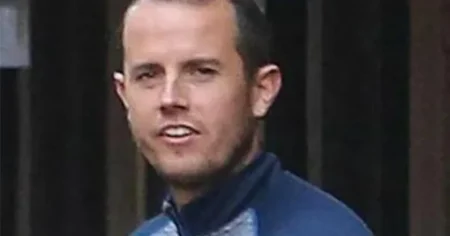




The story of Debbie Griggs is a haunting testament to how easily a life can slip through the cracks of bureaucracy, only to be reclaimed by the persistent love of family. In May 1999, Debbie, a devoted nurse and mother of three, vanished from her home in Deal, Kent. For two decades, her status was officially that of a missing person, leaving her family in a state of suspended grief. While the police conducted initial searches and appeals, the trail eventually went cold, and her husband, Andrew Griggs, continued to live his life, maintaining a mask of innocence despite the lingering shadow of suspicion that followed him for years.
The breakthrough that would eventually bring justice did not come from a breakthrough in forensic technology or a sudden confession, but from a mundane observation that felt like a divine nudge. In 2015, sixteen years after her disappearance, Debbie’s family stumbled upon an online news article cataloging the region’s unsolved cases. When they noticed her name was omitted from the list, they were struck by a profound sense of abandonment. Their subsequent complaint to the Kent Police acted as the catalyst, forcing a fresh, critical look at the forgotten boxes gathering dust in a cavernous police storage warehouse.
Detective Constable Mark Butler, tasked with reviewing the case, described the monumental effort of dragging the case files out of cold storage. It was a massive undertaking, requiring officers to fill hallways with boxes and treat a case from the previous century as if the crime had occurred yesterday. This dedication turned the tide; investigators began connecting the pieces that had been overlooked for years. By 2019, the evidence had shifted from circumstantial to compelling, leading to the trial of Andrew Griggs. At Canterbury Crown Court, he was finally convicted and sentenced to life imprisonment, though he still had not revealed the location of his wife’s body.
The final piece of this tragic puzzle emerged in the most chilling way possible. In 2022, acting on a tip-off from the couple’s own son, Jake, police excavated the garden of a Dorset property where Andrew had moved years prior. Beneath the soil, they discovered Debbie’s remains hidden inside a sealed water butt. Jake’s revelation was truly stomach-turning: his father had asked him during a prison visit to desecrate the body, remove a lock of hair, and travel to France to mail a fake letter back to the UK, all in a desperate, late-stage attempt to stage a “sighting” of a woman who had been dead for over twenty years.
The discovery brought a grim closure to the family at the cost of unimaginable trauma. While the subsequent 2025 inquest could not pinpoint an exact cause of death due to the advanced decomposition of her remains, the legal truth stood firm. The human toll is laid bare in the new documentary The Vanishing of Debbie Griggs, which weaves together home videos, emotional interviews with her sister and friends, and accounts from the detectives who refused to let her story be buried. It serves as a stark reminder of the resilience of survivors and the hollow, desperate nature of a killer’s final, failed deceits.
Ultimately, Debbie’s story is about the transition from a cold statistic back into a person who is remembered, mourned, and finally laid to rest. It highlights the dangers of letting “cold cases” slip into permanent obscurity and honors the family members who refused to let their loved one be forgotten. Through the eyes of those who loved her—her sister Wendie, her friend Dot, and her children—Debbie is restored from a headline to a woman who was once a nurse, a mother, and a bride. Her legacy, however tragic, now ensures that her voice has finally been heard, even long after it was silenced by those who vowed to protect her.