

Brahim Chagaf, a 38-year-old film director, carries the heavy, quiet burden of a man who has spent his entire life in limbo. Growing up with a childhood dream of returning to a home by the ocean in Western Sahara, he has watched those hopes slowly erode under the weight of a fifty-year occupation. Known as “Africa’s last colony,” this vast, windswept stretch of desert has been a site of displacement since Spain withdrew in 1976 and Morocco moved to annex the region. Today, more than 173,000 Sahrawi people live in harsh refugee camps in Algeria, holding onto the memory of a homeland they have never truly known, while the world watches—or chooses not to—from afar.
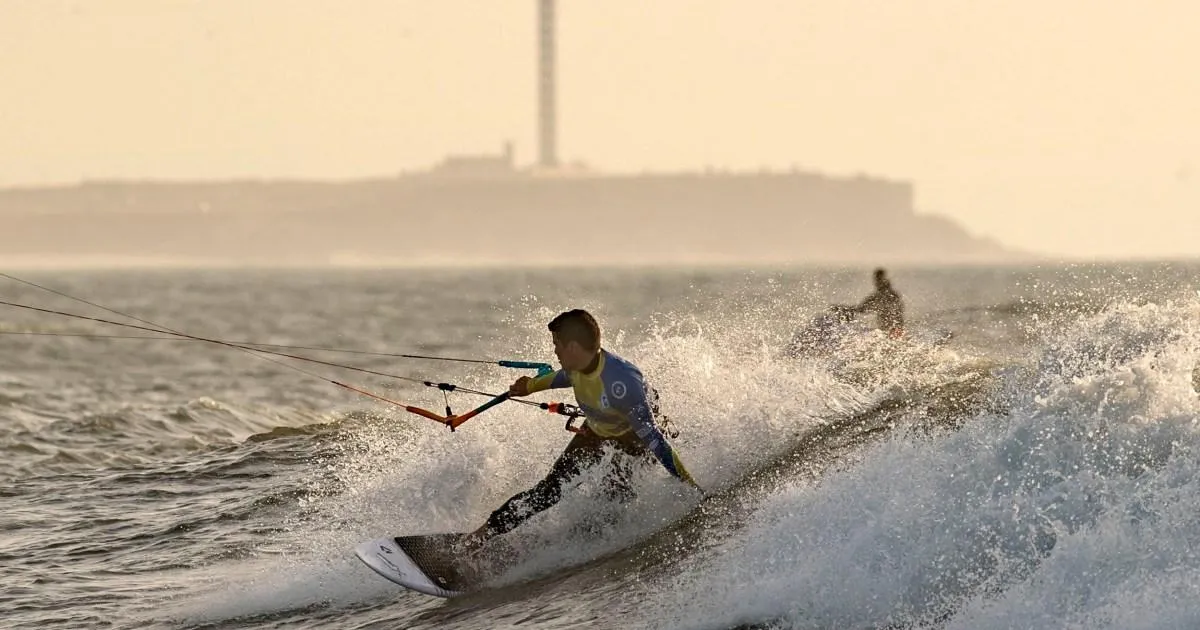
Modern tourism, however, is rapidly rewriting this narrative through the lens of convenience. Dakhla, a stunning coastal city in the occupied territory, is being marketed by travel giants and budget airlines like Ryanair as a Moroccan paradise. For a mere “pocket change,” European travelers can fly directly into what international law still identifies as disputed land, receiving Moroccan stamps in their passports and seeing the Moroccan flag flying in the breeze. Major booking platforms like Expedia and Booking.com further solidify this reality, effectively airbrushing the occupation out of existence. Human rights advocates argue this is not merely a travel oversight; it is an active complicity that legitimizes the status quo and suppresses the Sahrawi struggle for autonomy.
The historical tragedy of this region is defined by a broken promise. Nearly a century of Spanish colonization was followed by a war of resistance, leading to a UN-brokered ceasefire in 1991 that included a pledge for a referendum on independence. Yet, that vote has never materialized. Instead, the Sahrawi people suffer under a cycle of systematic human rights abuses, restricted movement, and enforced invisibility. For those living in the refugee camps near Tindouf, history has become a grueling marathon of survival, where residents endure 50°C heat and extreme cold, entirely dependent on international aid that continues to dwindle as the world’s attention shifts toward more “pressing” geopolitical issues.
The struggle has even reached the glitzy halls of the entertainment industry. The recent decision to film scenes for Christopher Nolan’s The Odyssey in the occupied Dakhla territory ignited a fierce backlash from activist groups like FiSahara. Critics condemn the choice as “extractive filmmaking,” arguing that by treating the territory as a film set, the production aids in the “whitewashing” of an illegal occupation. This tension highlights the broader, uncomfortable reality that Western assets—whether they be airlines, corporate booking sites, or Hollywood productions—are increasingly helping to normalize a political situation that decades of international resolutions have failed to resolve.
Geopolitical shifts have only exacerbated the Sahrawi sense of abandonment. When the Trump administration moved to recognize Moroccan sovereignty over Western Sahara in exchange for regional diplomatic deals, it shattered decades of cautious neutrality. While the Biden administration has not explicitly leaned into that policy, the move set a dangerous precedent that encourages other nations to follow suit. Meanwhile, the UN’s recent discussions have conspicuously omitted the once-guaranteed referendum, signaling to activists like Brahim that the international community may be moving toward a strategy of “inevitability.” The plan, many fear, is to simply wait long enough for the Sahrawi resistance to collapse from fatigue.
Ultimately, the plight of the Sahrawi people is a profound test of international integrity. Morocco justifies its claim through historical ties, yet it remains steadfastly opposed to allowing a free and fair vote—a move that invites the obvious question: if the claim to the land is truly recognized by its people, why deny them the right to choose their own future? As high-profile movies, budget flights, and shifting presidential alliances come and go, the Sahrawi people remain in their desert camps, trapped not just by borders and walls, but by a global community that seems to prefer comfort and commerce over the foundational rights of a displaced nation fighting to be heard.