


The quiet routines of life in the coastal regions of Mexico and parts of Central America were abruptly shattered today when a powerful earthquake, initially measured at a magnitude of 7.4 before being refined to 7.3, erupted off the coast near Puerto Madero. This bustling, redeveloped port area—known for its modern high-rises and luxury tourism—suddenly became the epicenter of a terrifying natural event. Striking at a shallow depth of just 10 kilometers, the geological force was enough to send shockwaves far beyond Mexico, with tremors rattling homes and businesses across the borders in Guatemala and El Salvador. The sheer intensity of the event immediately triggered a tsunami warning, casting a shadow of uncertainty and fear over coastal communities that now face the daunting possibility of hazardous waves reaching their shores.
For the people living in these affected areas, the experience of such a violent earth tremor is deeply unsettling, turning a normal day into a frantic scramble for safety. In the bustling streets of Guatemala City, witnesses described a scene of collective panic as the ground began to roll beneath them, forcing residents to flee their homes and offices in search of open ground. Government buildings, usually places of steady administration, were thrust into emergency mode as security protocols were triggered, reminding everyone of the fragile balance between urban development and the unforgiving nature of the tectonic plates beneath us. It is a stark reminder of how quickly the fabric of daily life can be interrupted when the earth reminds us of its volatility.
Despite the initial alarm and the subsequent tsunami warnings, there have been some early signs of relief amidst the chaos. Salomón Jara Cruz, the governor of the Mexican state of Oaxaca, provided a measured update to the public, noting that while the quake was felt with “moderate intensity” across his region, initial assessments did not reveal any catastrophic structural damage. It is a small consolation, perhaps, but for those who spent those long, shaking seconds fearing for the collapse of their homes or the safety of their loved ones, the lack of immediate, widespread disaster is the best news they could hope for. Nevertheless, the situation remains fluid, and local authorities are keeping a vigilant eye on the coastlines.
The complexity of the geological event was further illustrated by a series of aftershocks that rippled through the region shortly after the primary quake. Mexico’s national seismological service logged several smaller tremors, including significant jolts measuring 5.2, 4.5, and 6.1 in magnitude. These subsequent rattles serve to keep nerves frayed and communities on high alert, as every new tremor serves as a reminder that the earth is still settling. While these smaller events are standard following an earthquake of this magnitude, they make the process of recovery and the return to normalcy feel considerably more fragile for the families who are constantly waiting for the next tremor.
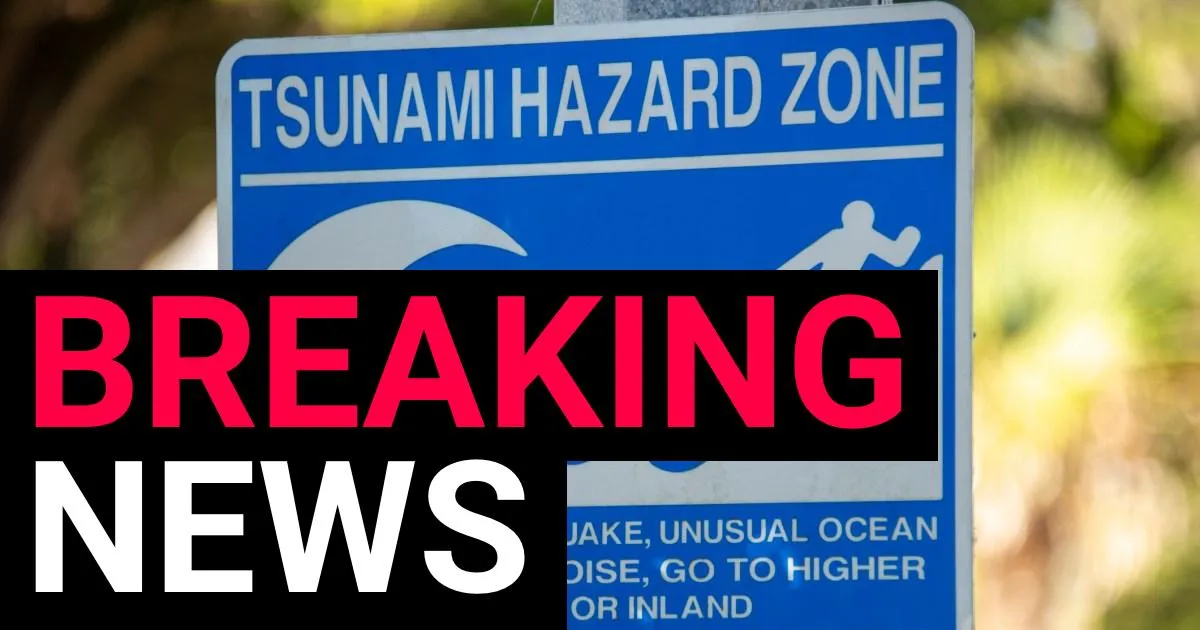
Looking ahead, the primary focus for emergency responders and civilian authorities is the tsunami risk. The warning issued for areas within 186 miles of the epicenter is not a measure to be taken lightly; it is a vital safety net intended to prevent tragedy before it manifests as rising water. Evacuation plans are being tested, and coastal residents are being urged to heed warnings and move to higher ground. The human element of this story is defined by this pause between the quake and the potential surge of the sea—a time of anxious waiting where preparation, communication, and community cooperation are the only tools people have to shield themselves from the ocean’s reach.
Ultimately, as the region navigates the aftermath of this powerful earthquake, the resilience of the local population remains the most significant factor. Whether it is the professional response of government officials coordinating emergency services or the individual bravery of a resident fleeing a shaking building to help a neighbor, these moments define the character of a community under pressure. While we monitor the threat of tsunami waves and wait for final damage reports, the collective thoughts remain with the people of Mexico and Central America. The infrastructure can be rebuilt and the headlines will eventually shift, but for those grounded in the epicenter of the disruption, the memory of today’s tremors will remain a sobering reminder of our connection to the living, changing earth.