

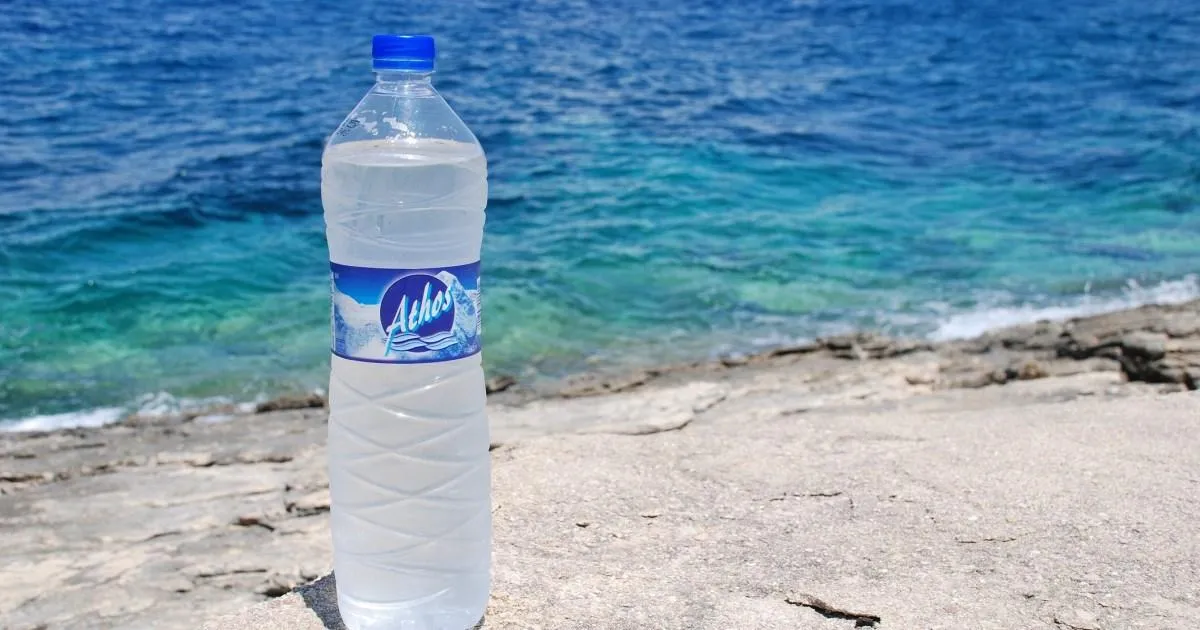
As summer reaches its peak, thousands of travelers are flocking to Greece, drawn by the promise of golden sunshine and the sparkling Aegean Sea. Yet, beneath the postcard-perfect surface, a quiet crisis is unfolding. Seven specific islands—Astypalaia, Tinos, Alonissos, Leros, Patmos, Symi, and Karpathos—have reached a tipping point, officially declaring drought conditions to stave off total water depletion. In a striking testament to the severity of this shortage, citizens in some of these regions have ceased relying on traditional taps entirely, switching instead to bottled water for their daily needs. This is not merely a logistical challenge; it is a profound environmental warning sign that threatens to disrupt the very foundation of the Mediterranean summer experience.
For Astypalaia, the situation acts as a stark case study in the unpredictability of the climate crisis. While much of the Greek mainland saw heavy rainfall this past winter, these islands remained parched, receiving almost no replenishment for their natural reservoirs. Mayor Nikos Komineas painted a haunting picture of the scarcity, noting that if one were to collect all the rainfall the island received over the entire year into a single bucket, the water level would barely reach a mere 2.5 centimeters. This extreme deficit has forced local governments to make agonizing decisions, balancing the necessity of supporting their resident populations with the demands of the tourism sector that sustains their economies.
In response to the scarcity, the spirit of community innovation has taken center stage. Local business owners are finding creative ways to mitigate the burden on limited resources, turning to their guests for partnership. Maria Alkalai, a 42-year-old hotelier, has implemented a commendable incentive program, offering a 5-euro voucher to any visitor who opts out of daily room cleaning services. The initiative has seen genuine success, with tourists embracing the opportunity to contribute to local water conservation efforts. It serves as a gentle reminder that travelers are often eager to help when given clear, actionable ways to reduce their ecological footprint during their stay.
The Greek government is moving quickly to address these infrastructure gaps, recognizing that water resilience is no longer a peripheral issue but a central pillar of economic survival. Environment Minister Stavros Papastavrou has authorized a substantial 15 million euros—roughly 17 million dollars—to be funneled into vital upgrades. This funding is earmarked for critical desalination projects, improved water distribution grids, and the installation of additional storage tanks across nine hard-hit islands. Looking toward 2025, the industry is also considering more unconventional methods, such as filling swimming pools with seawater, as a permanent solution to prevent the rapid depletion of precious freshwater supplies.
Yet, these engineering fixes exist against a backdrop of increasing friction between the booming tourism industry and the limits of the land. Last year, Greece welcomed a staggering 33 million foreign visitors, a record-breaking figure that has undoubtedly strained infrastructure that was never built to accommodate such a dense influx. This “overtourism” has sparked a wave of local activism, with protests erupting across the Cyclades. Residents are voicing deep-seated concerns that their islands are losing their character and their resources, and they are demanding a shift in tourism strategy that puts local well-being and environmental sustainability ahead of raw visitor numbers.
Ultimately, the plight of these islands highlights a global transition in how we view travel. The dream of the Mediterranean getaway is colliding with the reality of climate change, proving that we can no longer treat natural resources as infinite. As Greece navigates this difficult period, the goal is to reinvent tourism to be as resilient as it is welcoming. By fostering a culture of conservation and investing in sustainable infrastructure, these islands hope to continue offering their hospitality without sacrificing their future. The message is clear: for travel to remain a beautiful experience for the visitor, it must first be a sustainable one for the host.