



For decades, the frozen, desolate reaches of Antarctica have been viewed primarily as a scientific frontier for climate study, yet beneath its icy surface lies a biological treasure trove that could revolutionize modern medicine. A dedicated team of researchers from the University of South Florida (USF), led by Professor Bill Baker, has spent years scouring these frigid depths for organisms that possess unique chemical properties. Their most recent breakthrough involves the ascidian—a humble marine creature commonly known as a sea squirt—which harbors a specific bacterium capable of hunting down and destroying melanoma skin cancer cells. This discovery offers a glimmer of hope for patients facing one of the most aggressive forms of cancer, specifically because the bacterium exhibits a remarkable “selectivity,” destroying the malignancy while leaving healthy human cells untouched.
The significance of this discovery lies in the extreme evolutionary history of the Antarctic continent. Because it has been isolated from the rest of the world for millions of years, its marine life has developed in a biological vacuum, resulting in highly specialized, unique organisms that cannot be found anywhere else on the planet. Professor Baker describes these sea squirts as the pinnacle of evolutionary adaptation, noting that their survival strategies—which include the production of these potent, defensive chemical compounds—are direct results of their harsh environment. For drug developers, this natural biological laboratory is invaluable, as researchers like Baker seek to replicate nature’s own chemistry to address persistent medical challenges, including antibiotic-resistant infections and drug-resistant malaria.
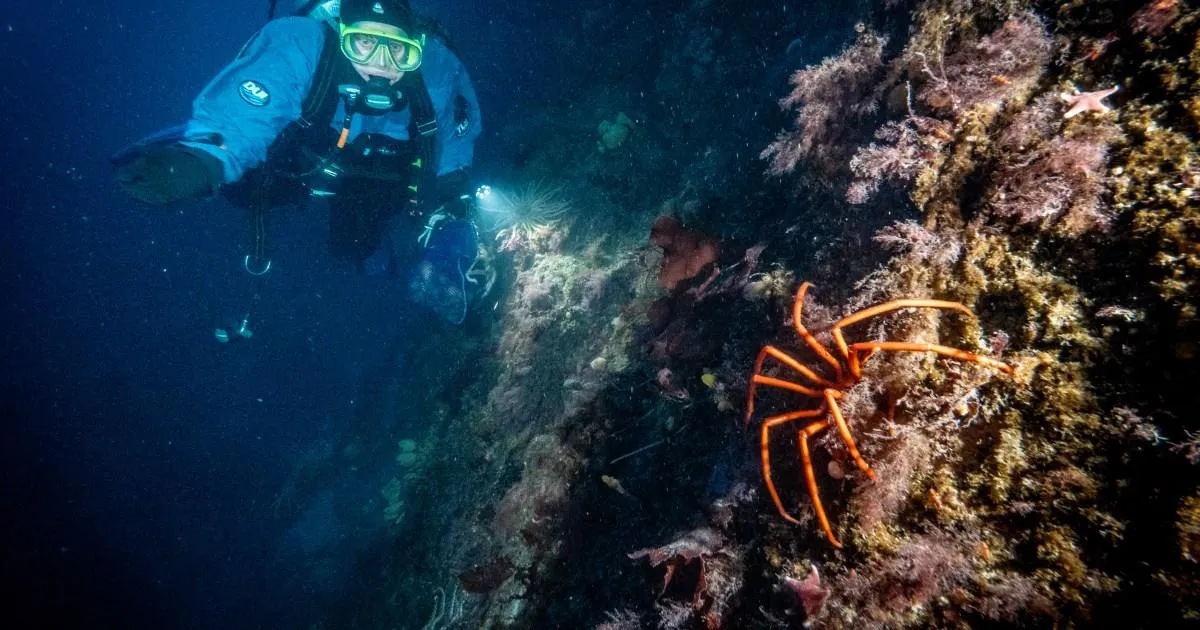
Executing this research is far from a simple task; it requires a level of grit and logistical precision that few scientific missions ever demand. The recent six-week expedition involved researchers like diving safety officer Ben Meister and postdoctoral fellow Sam Afoullouss, who faced the daunting realities of the Southern Ocean. Working in water that keeps the human body in a constant state of thermal shock, the team relied on deep-sea dives and remotely operated vehicles to locate the sea squirts, which flourish on vertical seafloor surfaces where currents are strongest. Plunging into depths of up to 130 feet, the team navigated treacherous conditions, including shifting ice shelves, poor visibility, and the ever-present threat of curious predators like leopard seals, all while balancing finite dive times to ensure their safety.
The mission was not merely about collection, but about deep exploration into the ecological relationship between the sea squirt and its internal bacteria. By gathering high-quality specimens, Afoullouss and Meister aimed to map exactly how widespread this cancer-fighting bacterium is and, more importantly, how it survives within its host. The preservation of these samples is critical; even the slightest degradation during transport back to the lab could alter the chemical signatures that the scientists are so carefully trying to isolate. Every second spent underwater was a calculated step toward understanding the complex symbiosis that allows this marine life to thrive in temperatures that would freeze most other organisms living in temperate waters.
Now that the team has returned from the ice, the heavy lifting of laboratory analysis begins—a phase that will likely span several years. The specimens are currently being processed by interdisciplinary teams of geneticists, chemists, and biologists who are working to map the molecular structure of the compounds the bacteria produce. The goal is to unravel the mystery of how a simple bacterium, evolved in the cold darkness of the Antarctic floor, possesses the precise biological machinery to dismantle a melanoma cell. While the journey from a sea squirt living in the Antarctic to a pharmacy shelf is undeniably long and fraught with regulatory hurdles, the preliminary findings represent a massive leap forward in our understanding of bio-prospecting in extreme environments.
Ultimately, this research serves as a poignant reminder of our planet’s interconnectedness and the vital importance of environmental preservation. Professor Baker emphasizes that understanding these organisms is not just about human survival or medical breakthroughs; it is about grasping how life survives in some of the most punishing conditions on Earth. While the promise of a cure for melanoma remains the primary, thrilling focus, the broader goal is to unlock the deep biological secrets of the Antarctic. By looking to the most remote corners of our world, scientists are finding that the solutions to humanity’s most devastating modern diseases may have been hiding in the icy, silent depths all along, just waiting to be discovered.